


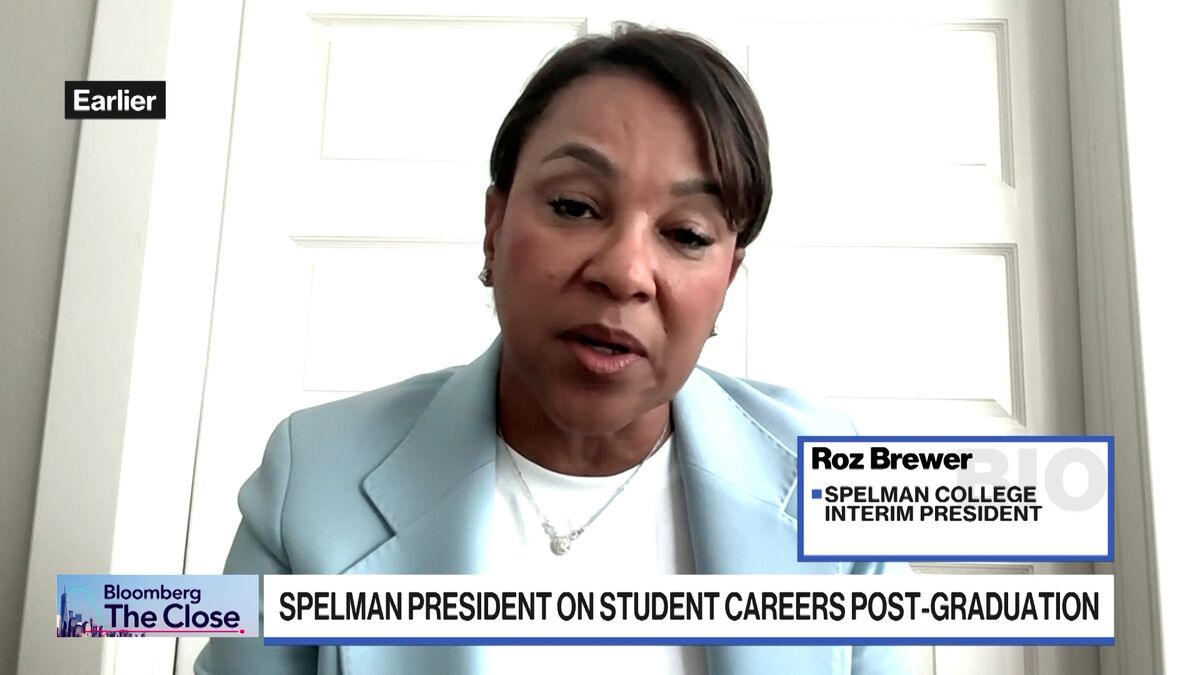

Spelman College Launches $500M “Spelman Forward” Campaign Under Interim President Roz Brewer
Historic HBCU initiative aims to redefine career readiness for Black women in America
ATLANTA – Spelman College, the prestigious historically Black women’s liberal arts institution, has unveiled an ambitious $500 million fundraising campaign designed to revolutionize career preparation for its students. The “Spelman Forward” initiative, spearheaded by interim president and former Walgreens CEO Rosalind “Roz” Brewer, seeks to bridge the gap between academic excellence and real-world professional success, ensuring graduates are equipped to thrive in an increasingly competitive global economy.
The announcement marks one of the largest fundraising efforts ever undertaken by a historically Black college or university (HBCU), positioning Spelman at the forefront of educational innovation for women of color. Brewer, who took the helm in 2023 after a trailblazing corporate career, framed the campaign as both an investment in individual futures and a strategic move to strengthen America’s talent pipeline.
A Vision for Transformative Education
At its core, Spelman Forward addresses systemic barriers Black women face in workforce advancement. Despite Spelman’s sterling reputation—it’s consistently ranked among the nation’s top liberal arts colleges—alumnae still confront racial and gender disparities in hiring, pay equity, and leadership opportunities. The campaign will fund:
- Expanded career readiness programs, including guaranteed internships with Fortune 500 partners
- Tech-focused curriculum upgrades, particularly in AI, data science, and fintech
- Entrepreneurship incubators to support student-led startups
- Global study initiatives to cultivate cross-cultural competencies
- Mental health and wellness resources tailored to Black women’s experiences
“Education isn’t just about degrees; it’s about dismantling ceilings,” Brewer told Bloomberg in an exclusive interview. “When Spelman women succeed, they pull entire communities forward with them.”
Brewer’s Leadership: A Corporate Strategist’s Approach
The campaign reflects Brewer’s unique hybrid of corporate acumen and educational advocacy. As the only Black woman to have served as CEO of two Fortune 500 companies (Walgreens and Sam’s Club), she brings firsthand insight into the skills employers demand. Her appointment at Spelman signaled a deliberate shift toward treating higher education as a “talent development ecosystem,” as she described it.
Critics have questioned whether corporate-style fundraising could dilute Spelman’s liberal arts mission, but Brewer remains adamant. “This isn’t about chasing trends—it’s about empowering women to set them,” she countered, noting that humanities majors will receive equal support through communications and leadership training.
The HBCU Funding Gap: A National Challenge
Spelman’s campaign arrives amid renewed scrutiny of chronic underfunding for HBCUs. While these institutions produce nearly 20% of Black STEM graduates, they’ve long struggled with endowment disparities. For context: Spelman’s $570 million endowment (pre-campaign) dwarfs many peer HBCUs but remains a fraction of Ivy League schools’ multibillion-dollar reserves.
The college has already secured nine-figure commitments from corporate donors like Bank of America and Delta Air Lines, alongside alumnae such as Girls Trip producer Will Packer. “This isn’t charity—it’s smart economics,” said Packer. “Spelman graduates are proven innovators.”
Alumnae Impact: A Track Record of Excellence
Spelman’s alumni network reads like a who’s who of Black excellence: Stacey Abrams, Children’s Defense Fund founder Marian Wright Edelman, and Pulitzer winner Alice Walker all walked its Atlanta campus. The college boasts a 94% career placement rate within six months of graduation, but Brewer argues even that benchmark needs rethinking.
“We’re not just tracking jobs—we’re tracking trajectories,” she explained, citing plans to measure graduates’ mid-career earnings and leadership roles over decades.
The Road Ahead
With $200 million already raised in the quiet phase, Spelman aims to hit its $500 million target by 2027. Success could create a blueprint for other minority-serving institutions navigating the dual challenges of affordability and relevance.
As Brewer put it: “If America wants diverse leaders, it must invest in the places that cultivate them.” For Spelman, that investment starts now.
— Reported with contributions from Bloomberg’s Romaine Bostick
