



Russian-Linked Oil Tanker Breaches Blockade, Raising Global Security Concerns
Dramatic Escape Amidst Geopolitical Tensions
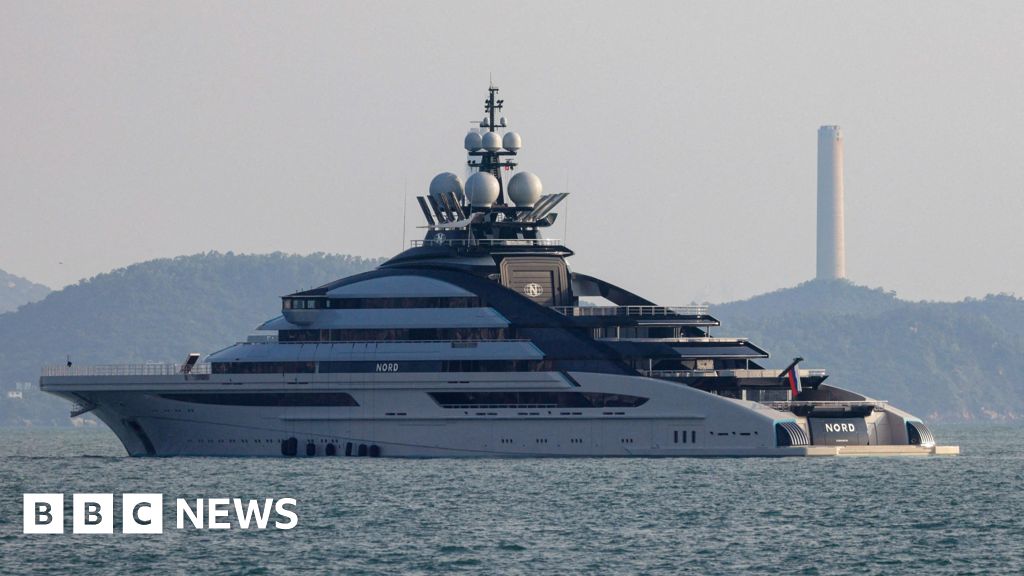
In a bold move that defies international sanctions, a 141-meter oil tanker linked to a close ally of Russian President Vladimir Putin has successfully navigated through a strategic maritime blockade. The vessel’s passage, despite heightened surveillance and restrictions, underscores the challenges in enforcing economic penalties against Moscow as the Ukraine war drags into its third year. The incident has reignited debates over the effectiveness of global sanctions and the shadowy networks that help Russia evade them.
The Tanker’s Controversial Journey
The ship, whose ownership traces back to a Kremlin-connected oligarch, slipped through a key waterway under disputed circumstances. While authorities have not disclosed its exact route, maritime analysts suggest it may have exploited loopholes in enforcement or used obscured transponder data—a tactic increasingly employed by Russian-affiliated vessels.
This breach comes as Western nations intensify efforts to curb Moscow’s oil revenue, a critical lifeline for its war machine. Despite a G7-imposed price cap and EU embargoes, Russia continues to export millions of barrels daily, often relying on a “shadow fleet” of aging tankers operating outside regulated channels.
Global Implications: A Test of Sanctions Enforcement
The tanker’s successful transit highlights systemic weaknesses in the current sanctions regime. Key concerns include:
- Diluted Enforcement: Some nations, particularly in Africa and Asia, have been accused of turning a blind eye to suspicious shipments.
- Shadow Fleet Expansion: Over 1,000 vessels now operate outside Western oversight, facilitating Russian oil trade.
- Economic Warfare Escalation: If loopholes persist, Russia could sustain its military operations indefinitely, prolonging global instability.
Energy analysts warn that unchecked circumvention risks normalizing sanctions evasion, emboldening not just Moscow but other rogue states like Iran and North Korea.
Why This Matters Beyond Ukraine
The incident is more than a regional security issue—it’s a stress test for the rules-based international order. Allowing Russia to bypass restrictions unchallenged sets a dangerous precedent, signaling that economic penalties can be outmaneuvered with enough resources and subterfuge.
Moreover, energy markets remain on edge. Any perception that sanctions are failing could trigger volatility, as Russia supplies roughly 10% of the world’s oil. Prolonged instability risks spiking prices, further straining economies already grappling with inflation.
The Human Cost and Diplomatic Fallout
While tankers maneuver through legal gray zones, Ukraine’s infrastructure faces relentless attacks. Each barrel of Russian oil sold funds missiles striking civilian targets, deepening the humanitarian crisis. Western leaders now face mounting pressure to tighten enforcement, possibly through secondary sanctions targeting third-party enablers.
Meanwhile, geopolitical fissures widen. Nations like China and India, major buyers of discounted Russian crude, walk a fine line between economic pragmatism and complicity. Their continued trade underscores the difficulty of achieving unanimous global pressure.
Conclusion: A Call for Stronger Measures
The tanker’s breach is a stark reminder that sanctions alone cannot end wars—they must be airtight. As long as workarounds exist, Russia will exploit them, bankrolling its aggression while testing the West’s resolve. The coming months will prove decisive: either the international community closes these gaps through coordinated action, or the world risks sliding further into an era where economic warfare loses its bite.
For now, the waters remain murky—both literally and politically. One thing is clear: in the high-stakes game of global security, enforcement is only as strong as its weakest link.
