



Birmingham Bin Strike: Green Party Leader Skeptical of Last-Minute Deal Ahead of Elections
Birmingham’s long-running bin strike may finally see a resolution after city officials announced a tentative agreement with the Unite union—but Green Party leader Zack Polanski has raised sharp questions about the timing of the deal, just days before local elections.
The proposed agreement, put forward by Birmingham City Council’s Labour leader John Cotton, aims to end the 10-month dispute that has left streets piled with uncollected waste and frustrated residents. However, Polanski dismissed the announcement as a politically motivated move, accusing Labour of cynically delaying action until the eve of the May 2nd local elections.
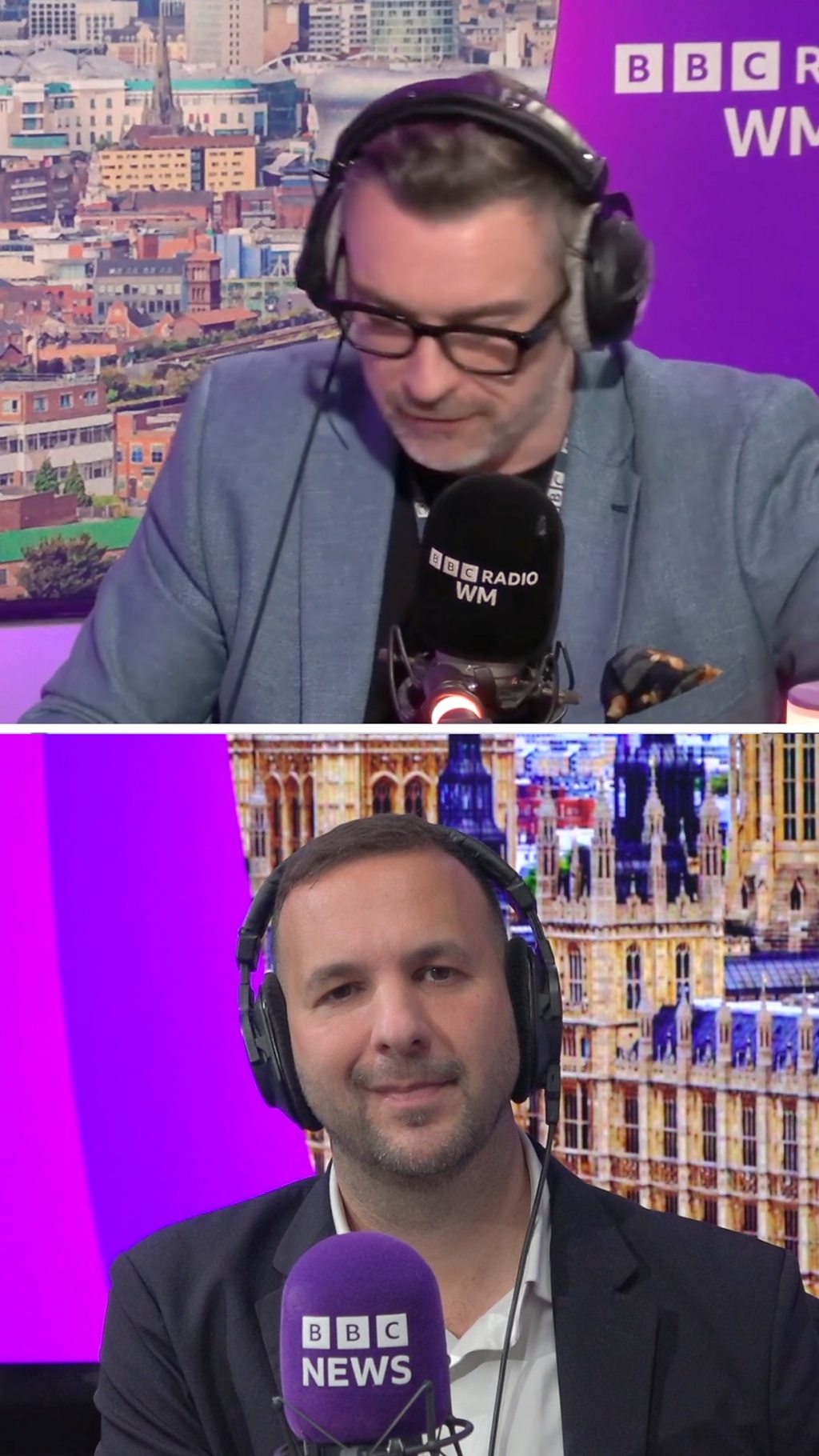
“How cynical of this Labour council—they should have done this 10 months ago,” Polanski said in an interview. “Do they really expect people to believe that, 10 days before an election, they’ve suddenly managed to make a deal?”
Cotton defended the proposal, calling it a “good deal for the workforce” and insisting it represents fair value for taxpayers. The terms of the agreement have not yet been made public, pending approval by Unite members. If accepted, it would mark the end of a bitter standoff that has seen repeated walkouts by refuse workers over pay and working conditions.
A Strike with Deep Roots
The dispute dates back to last summer, when Unite accused the council of failing to honor previous agreements on wages and job security. The strike has since become a flashpoint in Birmingham’s local politics, with opposition parties blaming Labour for mismanagement and failing to negotiate in good faith.
Residents have borne the brunt of the disruption, with overflowing bins and reports of increased vermin in some neighborhoods. The council has spent millions on emergency measures, including private waste contractors, while unions have accused officials of prioritizing cost-cutting over worker welfare.
Political Tensions Rise Ahead of Vote
With local elections looming, the timing of the deal has drawn scrutiny. Polanski’s criticism reflects broader frustrations among opposition groups, who argue Labour is attempting to defuse a damaging issue before voters head to the polls.
Cotton, however, maintains that the agreement is a genuine effort to resolve the dispute. “This deal is about fairness—for our workers and for the city,” he said.
What Comes Next?
Unite members are expected to vote on the proposal in the coming days. If rejected, the strike could drag on, further straining council resources and public patience. If accepted, the focus will shift to implementation—and whether the council can rebuild trust with both workers and residents.
For now, Birmingham waits, with the outcome likely to influence not just the city’s cleanliness but also its political landscape.
