



Balancing Protest Rights and Public Order: UK MP Calls for Caution on Further Restrictions
In a debate over the delicate balance between public order and the right to protest, UK Member of Parliament Alex Davies-Jones has urged caution against imposing additional restrictions on demonstrations. Speaking in the context of growing calls for tighter regulations, Davies-Jones emphasized that any measures must respect the “fundamental right” to protest, a cornerstone of democratic societies.
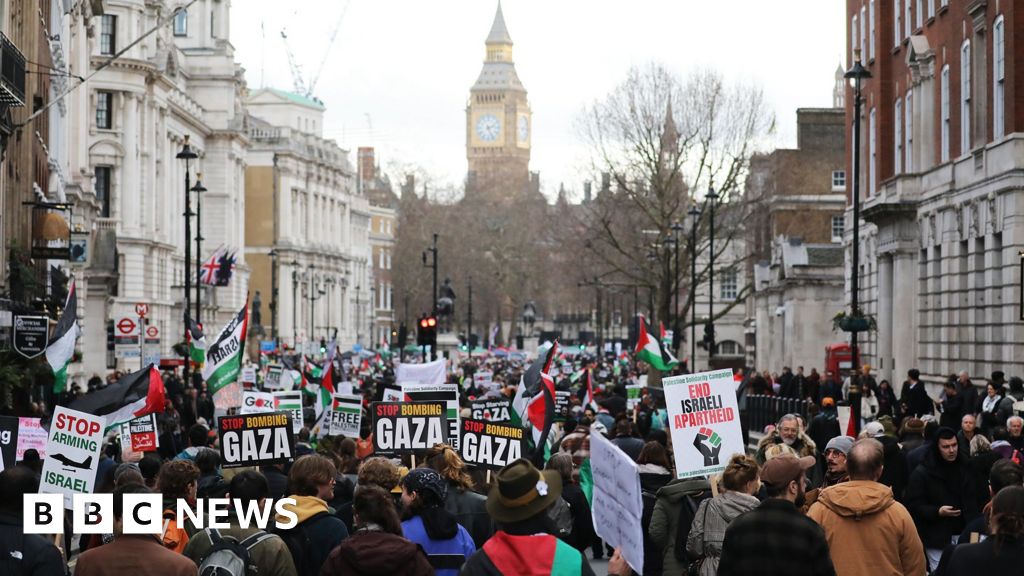
The UK government has faced mounting pressure to address disruptions caused by recent protests, particularly those organized by environmental activist groups. These demonstrations, which have included road blockades and high-profile disruptions, have sparked a national conversation about where to draw the line between lawful protest and public inconvenience. While some argue for stricter controls to prevent widespread disruption, Davies-Jones warned that overreach could undermine civil liberties.
“There is no doubt that protests can cause significant disruption, and there is a legitimate need to ensure public safety and order,” Davies-Jones stated. “But we must tread carefully. The right to protest is not just a privilege—it is a fundamental right enshrined in our democratic values. Any further restrictions must be proportionate and carefully considered to avoid eroding this essential freedom.”
Her comments come as the UK Home Office reviews existing laws governing public assemblies, prompted by concerns over the effectiveness of current measures in preventing prolonged disruptions. Proposals under consideration include increased penalties for obstructing public spaces and broader powers for law enforcement to disperse gatherings deemed excessively disruptive.
Critics of these potential changes argue that they risk stifling legitimate dissent. Human rights organizations have raised alarms, suggesting that tighter restrictions could disproportionately affect groups advocating for urgent issues such as climate change and social justice. They point to historical examples where protest rights have driven societal progress, including the suffragette movement and civil rights campaigns.
Supporters of stricter measures, however, contend that the current framework fails to adequately address the scale of disruption caused by modern protest tactics. They argue that the public has a right to go about their daily lives without undue interference, particularly when protests target critical infrastructure or emergency services.
The debate has sparked broader questions about the role of protest in contemporary society. While protests have long been a vehicle for expressing dissent and advocating for change, the rise of disruptive tactics has tested the limits of public tolerance. Balancing these competing interests presents a complex challenge for lawmakers.
Davies-Jones’ call for caution reflects a broader concern within the political spectrum about the potential erosion of civil liberties. Her stance aligns with warnings from legal experts who argue that overly restrictive measures could set a dangerous precedent, enabling governments to suppress dissent under the guise of maintaining order.
The issue is particularly pertinent in the UK, where protest rights are protected under the Human Rights Act of 1998, which incorporates the European Convention on Human Rights into domestic law. Article 11 of the convention guarantees the right to peaceful assembly, but it also allows for limitations when necessary in the interests of national security, public safety, or the prevention of disorder.
As the government weighs its options, the outcome of this debate could have far-reaching implications for the future of protest in the UK. A decision to impose stricter measures could embolden other governments facing similar pressures to follow suit, potentially shaping global norms around protest rights.
For now, Davies-Jones’ intervention has injected a note of caution into the discussion, urging policymakers to prioritize proportionality and respect for democratic principles. Her remarks highlight the need for a nuanced approach that safeguards both public order and the right to protest—a balancing act that will define the UK’s approach to civil liberties in the years to come.
As the conversation unfolds, the eyes of activists, lawmakers, and citizens alike will be on the UK government’s next steps. Whether it opts for stricter controls or a more measured approach, the decision will resonate far beyond the immediate context, shaping the relationship between state power and grassroots activism in an increasingly complex world.
