


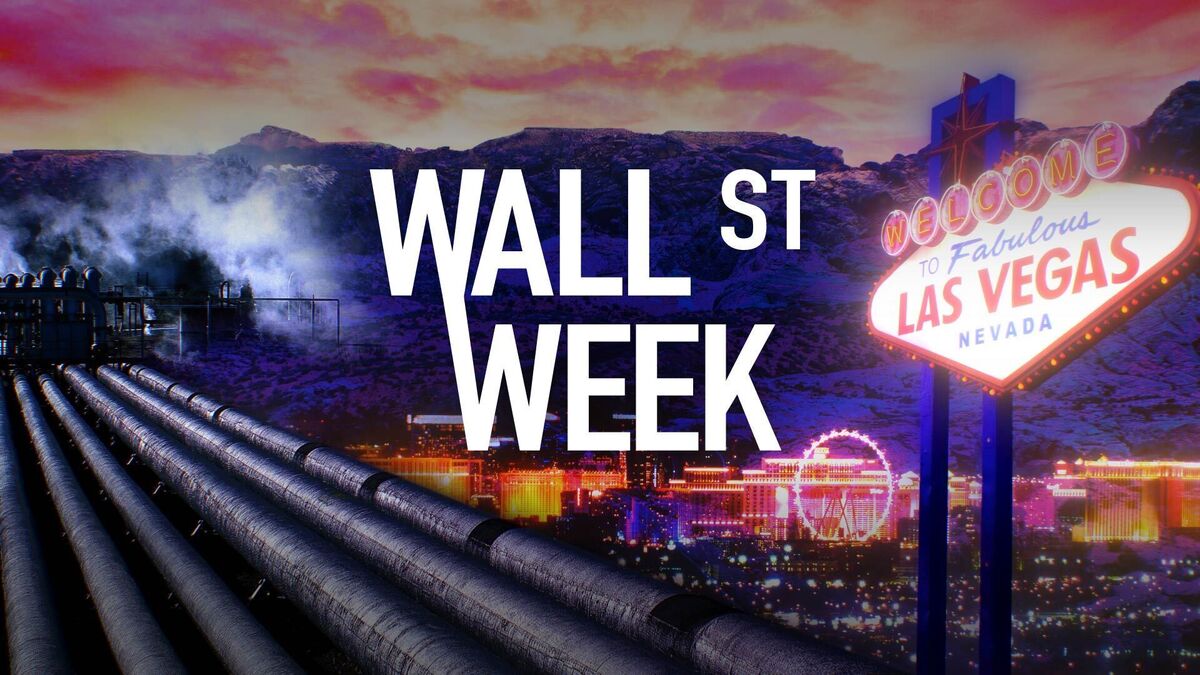

The Future of Finance, Technology, and Energy: Key Developments and Their Global Implications
This week has been one of pivotal decisions and transformative shifts across multiple sectors, from central banking and artificial intelligence to clean energy and urban revitalization. The Federal Reserve’s latest policy announcement dominated headlines, but it was accompanied by whispers of potential institutional reshaping led by former Fed official Kevin Warsh. Meanwhile, the rapid advancement of AI is fundamentally altering the landscape of software engineering, raising both optimism and concern. Elsewhere, groundbreaking technologies originally developed for oil and gas extraction are being repurposed to unlock clean energy solutions, signaling a potential turning point in the global energy transition. And in a surprising twist, a city once notorious for its mob-driven past is now reinventing itself as a hub for luxury nightlife and premium experiences. Together, these developments paint a picture of a world in flux, grappling with old challenges while embracing new opportunities.
The Federal Reserve’s Crossroads
The Federal Reserve’s most recent policy decision has sparked widespread analysis and debate. While the central bank’s announcement itself focused on interest rates and inflation targets, the more intriguing narrative lies in the possible return of Kevin Warsh, a former Fed governor and long-time advocate for reform. Warsh, who served during the 2008 financial crisis, has been a vocal critic of the Fed’s current approach, arguing for greater transparency and accountability.
His potential re-emergence on the Fed’s leadership stage has raised questions about the institution’s future direction. Critics argue that Warsh’s policies could lead to tighter monetary controls, potentially stifling economic growth. Supporters, however, believe his leadership could restore confidence in the central bank’s ability to manage complex financial landscapes. As global markets remain volatile, the stakes for the Fed’s next moves have never been higher.
AI and the Democratization of Software Engineering
Artificial intelligence continues to reshape industries, and software engineering is no exception. The development of AI-powered coding tools has made it possible for individuals with minimal technical expertise to create functional software. While this democratization of coding has been celebrated as a breakthrough, it has also ignited a debate about the future of the profession.
On one hand, AI tools lower barriers to entry, allowing entrepreneurs, small businesses, and hobbyists to bring their ideas to life without relying on costly developers. This could accelerate innovation and diversify the tech industry. On the other hand, some fear that the perceived value of skilled software engineers may diminish, leading to job displacement and a potential decline in the quality of software products.
Moreover, the ethical implications of AI-generated code remain unclear. Questions about accountability, intellectual property, and security vulnerabilities are yet to be fully addressed. As the technology evolves, policymakers, educators, and industry leaders will need to collaborate to ensure that AI’s integration into software engineering benefits society as a whole.
From Fossil Fuels to Clean Energy: A Technological Leap
The global push for clean energy has taken an unexpected turn with the repurposing of technologies originally designed for oil and gas extraction. Techniques like hydraulic fracturing (fracking) and directional drilling, once symbols of the fossil fuel industry, are now being adapted to harness geothermal energy and store carbon emissions.
Geothermal energy, in particular, stands to benefit from these advancements. By leveraging existing oil and gas infrastructure, companies can access deeper and hotter geothermal resources, making this renewable energy source more efficient and cost-effective. Similarly, carbon capture and storage (CCS) technologies are being enhanced through innovations borrowed from the fossil fuel sector, offering a potential solution to reducing greenhouse gas emissions.
While these developments are promising, challenges remain. The transition from fossil fuels to clean energy requires significant investment, collaboration, and regulatory support. Critics also caution against over-reliance on technologies that originated in the oil and gas industry, arguing that they may perpetuate dependence on fossil fuels rather than enable a true energy transition. Nonetheless, the potential for these innovations to accelerate the shift toward sustainability is undeniable.
Las Vegas: Reinventing Itself Beyond the Mob Legacy
Las Vegas, a city long associated with its mobster-driven past, is undergoing a remarkable transformation. Once reliant on gambling and entertainment, the city is now betting its future on luxury dayclubs, high-end nightlife, and premium experiences aimed at affluent visitors.
This shift reflects broader trends in the tourism and hospitality industries, where exclusivity and personalized services are increasingly in demand. Las Vegas’s ability to adapt to these trends underscores its resilience and entrepreneurial spirit. However, the city’s reliance on tourism also makes it vulnerable to economic downturns and changing consumer preferences.
Moreover, the focus on luxury experiences raises questions about inclusivity and accessibility. As Las Vegas continues to evolve, city leaders will need to balance the pursuit of high-end tourism with efforts to ensure that the benefits of economic growth are shared across the community.
Conclusion: Navigating a World in Transition
The developments of this week highlight the interconnectedness of global challenges and opportunities. From the halls of the Federal Reserve to the coding labs of Silicon Valley, from the oil fields transformed into clean energy hubs to the neon-lit streets of Las Vegas, the world is navigating a complex web of transitions.
Each of these stories underscores the importance of adaptability, innovation, and thoughtful leadership. As policymakers, businesses, and individuals grapple with the implications of these changes, one thing is clear: the decisions made today will shape the trajectory of industries, economies, and communities for years to come. In this era of transformation, balancing progress with prudence will be key to building a sustainable and inclusive future.
This report synthesizes global developments across finance, technology, energy, and urban revitalization, offering insights into their broader implications. As these narratives unfold, their outcomes will offer lessons for policymakers, industry leaders, and societies worldwide.
