



Reform UK Deputy Leader Changes Stance Mid-Interview After Farage Weighs In on Racism Row
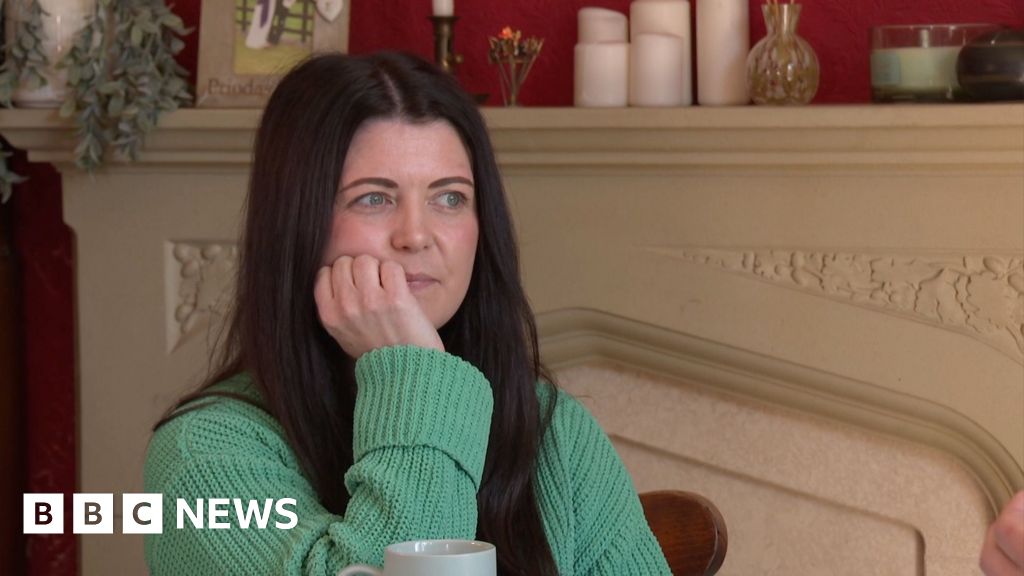
Helen Jenner, the deputy leader of Reform UK in Wales, reversed her position during a live interview on whether a prominent party backer should apologize for accusations of racism—but only after learning that Nigel Farage had called for an apology.
The controversy stems from a social media post by Arron Banks, a key Reform supporter, who appeared to question the Welsh identity of a black Plaid Cymru campaigner by writing, “Welsh lad?” The remark was widely criticized as racially charged.
During an interview with Newyddion S4C, Jenner initially refused five times to demand an apology from Banks. However, moments later, upon being informed that Farage—Reform UK’s leader—had publicly stated Banks should apologize in a separate BBC Wales interview, she abruptly changed her stance.
“I think that someone that’s put something like that out, that’s been taken in that way, should apologise, clarify what they mean,” Jenner said.
The swift reversal highlights internal tensions within Reform UK over how to handle allegations of racism within its ranks. Farage’s intervention suggests a divide between senior leadership and regional figures on how aggressively to address such controversies.
Banks, a millionaire Brexit campaigner and longtime Farage ally, has not yet issued an apology. His post has reignited debates about racial insensitivity in British politics, particularly as Reform UK seeks to position itself as a major force ahead of upcoming elections.
Political analysts say the incident could damage the party’s efforts to broaden its appeal beyond its traditional base. Reform has faced repeated scrutiny over inflammatory remarks by members, and critics argue the leadership’s inconsistent responses undermine its credibility.
The Welsh campaigner targeted by Banks has not been named publicly but is reportedly considering legal action. Plaid Cymru has condemned the remark as “divisive and unacceptable.”
For now, all eyes remain on whether Banks will comply with Farage’s demand. If he refuses, Reform UK may face further backlash, testing its ability to manage internal discipline while navigating an increasingly volatile political landscape.
The incident underscores a broader challenge for right-wing parties across Europe: balancing grassroots sentiment with the need to present a polished, inclusive image. How Reform handles this fallout could set a precedent for future controversies.
