


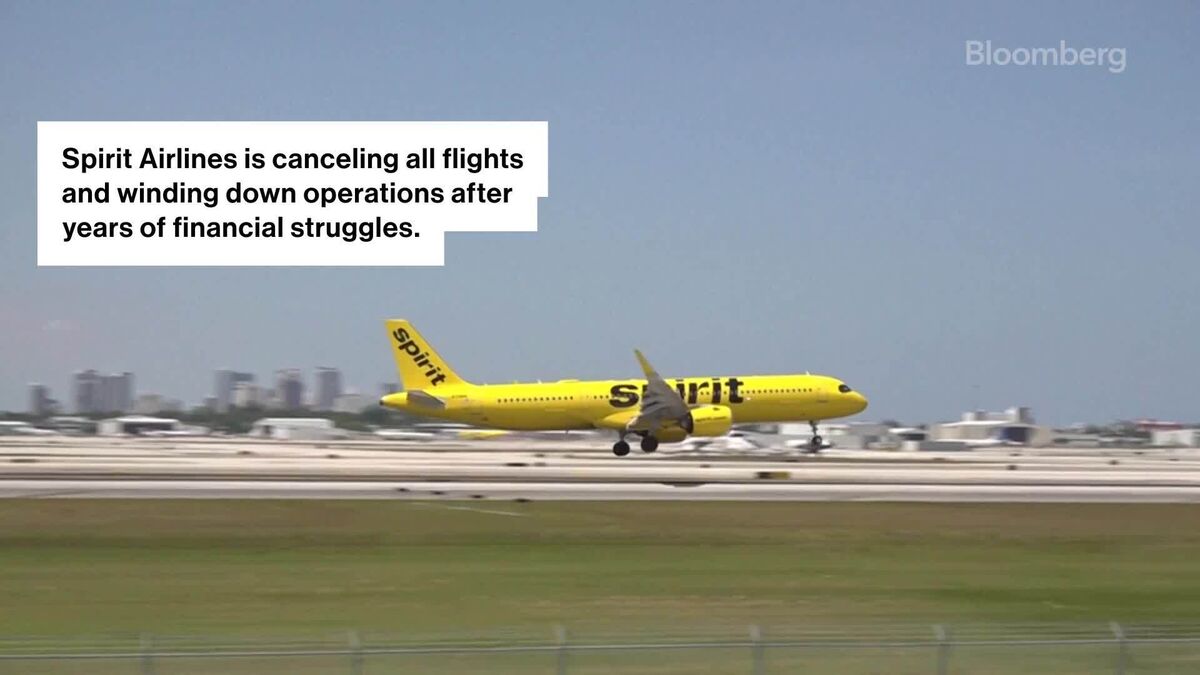

The Collapse of Spirit Aviation Holdings: A Tale of Rising Costs and Failed Rescue Efforts
In a dramatic turn of events that has sent shockwaves through the aviation industry, Spirit Aviation Holdings, the once-thriving US discount carrier, has announced the cessation of all operations. The abrupt shutdown comes amid mounting financial pressures, skyrocketing fuel costs, and the collapse of a proposed government bailout that many had hoped would keep the airline aloft. With all flights canceled and passengers urged to avoid airports, Spirit’s demise marks yet another casualty in an industry grappling with unprecedented challenges.
A Rapid Descent into Financial Turmoil
Spirit Aviation Holdings, known for its no-frills, low-cost model, had long been a staple for budget-conscious travelers across the United States. However, the carrier’s fortunes took a sharp downturn in recent months as it struggled to navigate a perfect storm of external and internal pressures. Chief among these was the surging cost of jet fuel, a critical expense for any airline. Global fuel prices have soared in the wake of geopolitical tensions and supply chain disruptions, squeezing margins for carriers already operating on razor-thin profits.
Compounding these challenges was the airline’s inability to secure a lifeline from the federal government. Earlier this year, US President Donald Trump floated the possibility of a bailout package aimed at stabilizing struggling airlines. However, negotiations faltered, leaving Spirit without the financial support it desperately needed. Industry analysts had warned that the airline’s high debt load and reliance on low fares made it particularly vulnerable to economic shocks, but few anticipated such a sudden collapse.
Passengers Left in the Lurch
The announcement of Spirit’s shutdown has left thousands of passengers scrambling to make alternative arrangements. The airline has canceled all flights effective immediately, advising travelers to refrain from heading to airports. While the carrier has pledged to issue refunds for canceled flights, the process is expected to be lengthy, leaving many customers frustrated and out of pocket.
For frequent flyers and loyal customers, the news has been particularly disheartening. “Spirit was always my go-to airline for affordable travel,” said one passenger. “It’s heartbreaking to see them go under like this.”
Broader Implications for the Aviation Industry
Spirit’s collapse is emblematic of the broader struggles facing the aviation sector. The COVID-19 pandemic dealt a severe blow to global air travel, decimating revenues and forcing airlines to cut costs wherever possible. While some carriers have managed to recover as travel demand rebounds, others have been less fortunate. Rising operational costs, labor disputes, and fluctuating passenger numbers continue to weigh heavily on the industry.
Moreover, Spirit’s demise underscores the vulnerability of budget airlines in a fiercely competitive market. While low-cost carriers have thrived in recent decades by appealing to price-sensitive travelers, their reliance on high passenger volumes and minimal overheads leaves little room for error. As fuel prices remain volatile and regulatory burdens increase, experts warn that other airlines may face similar fates.
The Failed Bailout: A Missed Opportunity?
The collapse of Spirit Aviation also raises questions about the role of government intervention in the aviation industry. President Trump’s proposed bailout was seen by many as a potential lifeline for struggling carriers, offering much-needed financial support during a period of unprecedented uncertainty. However, negotiations reportedly broke down over disagreements on the terms of the package, leaving Spirit and other airlines to fend for themselves.
Critics argue that the failure to secure a deal reflects a broader lack of urgency in addressing the sector’s challenges. “Airlines are a critical part of our national infrastructure,” said one industry analyst. “Without meaningful government support, we risk losing more carriers like Spirit, which would have far-reaching consequences for the economy and consumers.”
What Lies Ahead for Spirit’s Employees and Assets
The shutdown of Spirit Aviation has left thousands of employees facing an uncertain future. The airline’s workforce, which includes pilots, flight attendants, ground staff, and administrative personnel, is now bracing for potential layoffs. While some employees may find opportunities with other carriers, the competitive nature of the industry means that many will struggle to secure comparable positions.
In addition to its human capital, Spirit’s collapse raises questions about the fate of its physical assets. The airline’s fleet of aircraft, gates at various airports, and other resources could become the subject of court proceedings as creditors seek to recover their losses. Industry observers suggest that these assets may eventually be absorbed by other airlines, further consolidating an already concentrated market.
A Cautionary Tale for the Aviation Sector
As the dust settles on Spirit Aviation’s collapse, the episode serves as a stark reminder of the fragility of the airline industry. While low-cost carriers have revolutionized air travel by making it more accessible to millions, their business models are not immune to external pressures. Spirit’s downfall highlights the need for greater resilience and adaptability in an increasingly volatile global economy.
For passengers, employees, and stakeholders alike, the closure of Spirit Aviation is a sobering moment. It underscores the importance of sustainable practices and robust contingency planning in an industry where margins are slim and the stakes are high.
Though Spirit’s wings may have been clipped, its legacy as a pioneer of affordable air travel will endure. As the aviation sector continues to evolve, the lessons learned from Spirit’s collapse will undoubtedly shape the industry’s trajectory in the years to come. Whether this marks the end of an era or the beginning of a new chapter remains to be seen, but one thing is certain: the skies will never be quite the same.
