


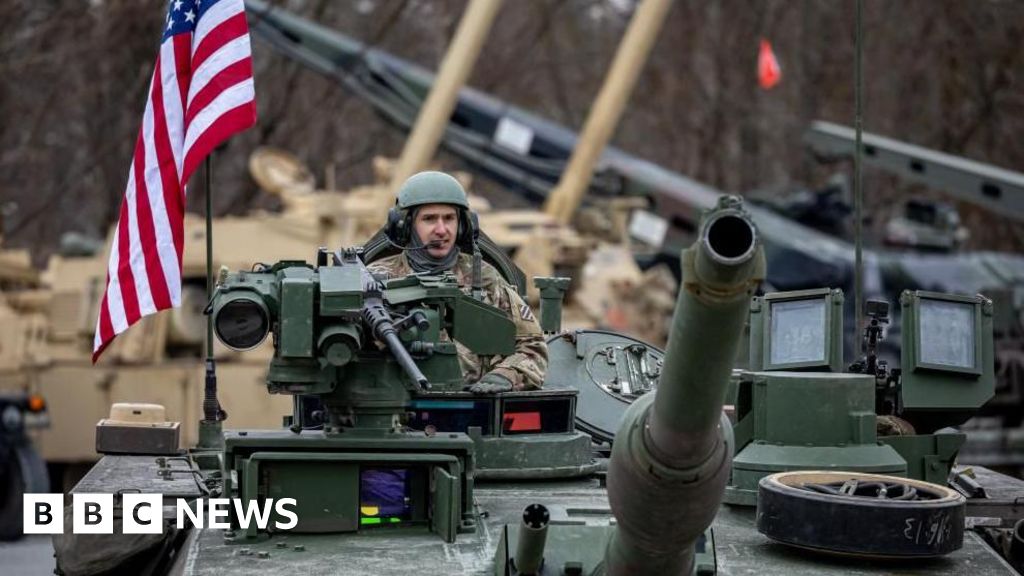

Germany Responds to US Troop Withdrawal Amid Shifting Global Security Landscape
Berlin, Germany—In a move that underscores the evolving dynamics of international military alliances, Germany has acknowledged the United States’ decision to withdraw approximately 5,000 troops from its soil as part of a broader strategic realignment. German Defence Minister Boris Pistorius described the decision as “expected,” signaling a pragmatic acceptance of Washington’s shifting priorities at a time when global security threats are becoming increasingly complex and multifaceted.
The announcement comes amid heightened tensions in Europe, ongoing conflicts in the Middle East, and growing concerns over China’s military ambitions in the Indo-Pacific region. As the world grapples with these interconnected challenges, the U.S. troop withdrawal from Germany raises critical questions about the future of NATO, transatlantic relations, and the broader geopolitical order.
A Long-Anticipated Strategic Shift
The U.S. decision to reduce its military presence in Germany is not entirely unexpected. Former President Donald Trump had previously signaled his intention to withdraw troops, citing Germany’s failure to meet NATO’s defense spending targets. Although the Biden administration has adopted a more diplomatic tone, the move reflects a continued emphasis on reallocating resources to address emerging threats, particularly in the Indo-Pacific.
Defense Minister Pistorius emphasized that Germany had been prepared for this development, stating, “This decision aligns with the trajectory of U.S. strategic priorities, and we understand the rationale behind it.” The withdrawal is part of a broader U.S. plan to optimize its global military footprint, ensuring it can respond more effectively to threats from state and non-state actors alike.
Global Context: A Changing Security Environment
The U.S. troop reduction in Germany occurs against the backdrop of a rapidly changing global security landscape. Russia’s ongoing aggression in Ukraine continues to destabilize Eastern Europe, while China’s assertive posture in the South China Sea and Taiwan Strait has heightened tensions in the Indo-Pacific. Simultaneously, the Middle East remains a volatile region, with conflicts in Syria, Yemen, and Iraq posing persistent challenges.
For decades, Germany has served as a critical hub for U.S. military operations in Europe, hosting key bases such as Ramstein Air Base and Stuttgart’s U.S. European Command. The withdrawal of 5,000 troops—while significant—is unlikely to undermine NATO’s collective defense capabilities in the short term. However, it does signal a shift in how the U.S. views its role in Europe, prioritizing flexibility and readiness over maintaining a large, static presence.
Implications for NATO and Transatlantic Relations
The U.S. troop withdrawal has sparked debate about the future of NATO, the cornerstone of transatlantic security since its founding in 1949. While some analysts argue that the move reflects a weakening commitment to Europe, others see it as a pragmatic adjustment to contemporary threats.
NATO Secretary-General Jens Stoltenberg has emphasized the alliance’s resilience, noting that it has adapted to changing circumstances before. “NATO remains the strongest military alliance in history,” Stoltenberg said recently. “Our collective defense and deterrence capabilities are robust, and we will continue to evolve to meet new challenges.”
Germany, Europe’s largest economy, has also taken steps to bolster its defense capabilities in recent years. After decades of underinvestment, Berlin has increased its military spending and pledged to meet NATO’s target of allocating 2% of GDP to defense. This shift reflects a growing recognition of the need for European nations to assume greater responsibility for their security, particularly in the face of Russian aggression.
Why This Matters Globally
The U.S. troop withdrawal from Germany is not just a bilateral issue; it has far-reaching implications for global security. First, it highlights the United States’ strategic pivot toward the Indo-Pacific, where China’s rise poses a long-term challenge to American dominance. Second, it underscores the need for European nations to strengthen their defense capabilities, reducing reliance on the U.S. while maintaining NATO’s collective security framework.
For Germany, the withdrawal represents both an opportunity and a challenge. On one hand, it provides Berlin with a chance to assert greater leadership within Europe and demonstrate its commitment to regional security. On the other hand, it raises questions about Germany’s ability to fill the void left by the U.S. military presence, particularly in the event of a crisis.
The Human Impact
Behind the headlines and geopolitical calculations lie the lives of thousands of military personnel and their families. The withdrawal of U.S. troops from Germany will have a profound impact on local communities that have long hosted American bases. These communities will face economic challenges as businesses that cater to military personnel adjust to the reduced presence.
At the same time, the relocation of troops could provide opportunities for other regions, particularly those in the Indo-Pacific, where the U.S. is seeking to bolster its presence. The human dimension of this strategic shift serves as a reminder that military decisions have tangible consequences for individuals and communities alike.
Looking Ahead: A Fragile Global Order
As the U.S. adjusts its global military posture, the international community faces a delicate balancing act. Maintaining strong transatlantic ties while addressing emerging threats in Asia and beyond will require sustained diplomatic effort and strategic foresight. Germany’s response to the troop withdrawal reflects a pragmatic recognition of these realities, but it also underscores the need for Europe to step up its defense efforts.
In an increasingly multipolar world, no single nation can shoulder the burden of global security alone. The U.S. troop withdrawal from Germany is a stark reminder of this truth, prompting both challenges and opportunities for the international community. As global tensions simmer and alliances evolve, one thing is clear: the coming years will test the resilience of the international order like never before.
Reporting by [Your Name], Global Security Correspondent
