


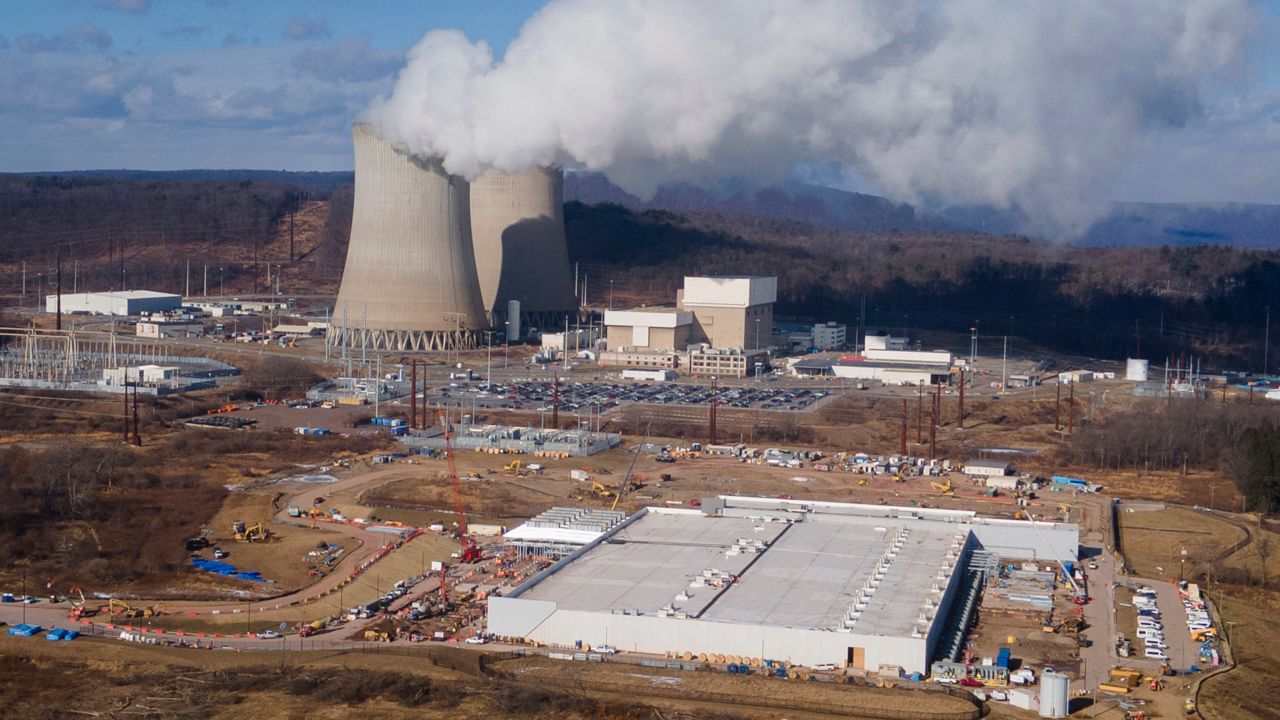

Unions and Tech Giants Forge Unlikely Alliance in AI-Driven Construction Boom
HARRISBURG, Pa. — As the race to dominate artificial intelligence (AI) intensifies, America’s building trades unions are finding themselves at the heart of a booming industry, partnering with some of the world’s wealthiest tech companies to construct the infrastructure of the future.
Once the traditional voice of blue-collar workers, unions are now playing a pivotal role in building massive data centers—a cornerstone of the AI economy. These projects are creating thousands of jobs and fueling a surge in demand for skilled labor, pushing unions to expand training programs and recruit apprentices at unprecedented rates.
“Data centers create a hell of a lot of construction jobs, and those jobs are in your communities,” said Rob Bair, president of the Pennsylvania Building and Construction Trades Council. “Instead of saying ‘no,’ communities should figure out what they need and ask for it.”
A Growing Partnership with Tech Giants
Unions have become strategic allies for tech companies and government officials advocating for AI development, often echoing the argument that AI dominance is a national security priority in the face of competition from China. This alliance has positioned unions as defenders of data center projects, helping to counter local opposition and legislative hurdles across the country.
From Pennsylvania to Arizona, unionized workers are employed on some of the largest data center construction projects in the U.S. Organizations like the Columbus-Central Ohio Building and Construction Trades Council report that up to 40% of their members’ work hours are tied to data centers, while the International Brotherhood of Electrical Workers Local 26 near Washington, D.C., says the figure is closer to 50%.
The surge in demand has led to record growth for unions. Sean McGarvey, president of North America’s Building Trades Unions, likened the current expansion to the union boom of the 1950s, attributing today’s growth to data centers, power plants, and federal legislation like the Inflation Reduction Act, which subsidized semiconductor and electric vehicle battery factories.
Addressing Community Concerns
While data centers are a boon for unions, they often face fierce pushback from communities worried about environmental impacts, rising utility bills, and quality-of-life disruptions. Unions have stepped in to address these concerns head-on, something tech executives and developers rarely do.
“If you don’t ask, you’re never gonna get,” Bair said, encouraging communities to negotiate for improvements like better project plans or funding for local schools.
In some cases, union representatives have been the only ones speaking in favor of data center projects at crowded municipal meetings. Chuck Curry, president of Ironworkers Local 395 in Hobart, Indiana, praised local officials for supporting an Amazon data center, saying, “Thanks for being the adults in the room.”
Training a New Generation of Workers
Tech companies acknowledge the need for skilled labor and are investing millions in training programs, including partnerships with unions. Google, for example, has pledged $10 million to expand the electrician workforce pipeline by 70%.
Unions are also ramping up their own efforts. The Boilermakers Local 154 in southwestern Pennsylvania, which recruited zero apprentices for four years, now has a class of over 200 and is seeking more. Training centers across the country are expanding to meet the demand for workers skilled in boilermaking, electrical work, and pipefitting.
“Highly skilled union construction workers are laying the foundation for the AI economy,” said Sam Altman, CEO of OpenAI, in a joint statement with North America’s Building Trades Unions earlier this year.
Criticism and Caution
The partnership between unions and tech giants hasn’t been without controversy. Critics argue that unions are aligning themselves with powerful corporations at the expense of broader environmental and community concerns.
Mark McManus, general president of the United Association of Union Plumbers and Pipefitters, dismissed these criticisms as unrealistic.
“If we chose to have a moratorium on building data centers, they’d still be getting built,” McManus said. “They’re not stopping because of organized labor.”
His union is working on over 90% of U.S. data center projects, a market share unmatched in other industries.
Political Influence
Unions are also making their presence felt in statehouses, lobbying against legislation they view as hostile to data center development. In Maine, they opposed a statewide data center moratorium, while in Illinois, they pushed back against proposals requiring data centers to supply their own energy.
Pennsylvania state Sen. Katie Muth noted the challenge of garnering support for data center regulations when unions are backing weaker legislation.
“The unions don’t want to promote anything that would impede data center development,” Muth said.
The Future of Union-Tech Collaboration
As AI continues to reshape the economy, the partnership between unions and tech companies is likely to deepen. With data center construction showing no signs of slowing down, unions are poised to benefit from the explosive demand for skilled labor.
For unions, the alliance represents an opportunity to grow their ranks and secure a foothold in a rapidly evolving industry. For tech companies, it’s a chance to build the infrastructure needed to maintain AI supremacy—with the help of America’s workers.
— Reported by Nexio News
