



Warren Buffett’s Successor Steps into the Spotlight: Greg Abel Confronts Berkshire Hathaway’s Challenges Head-On
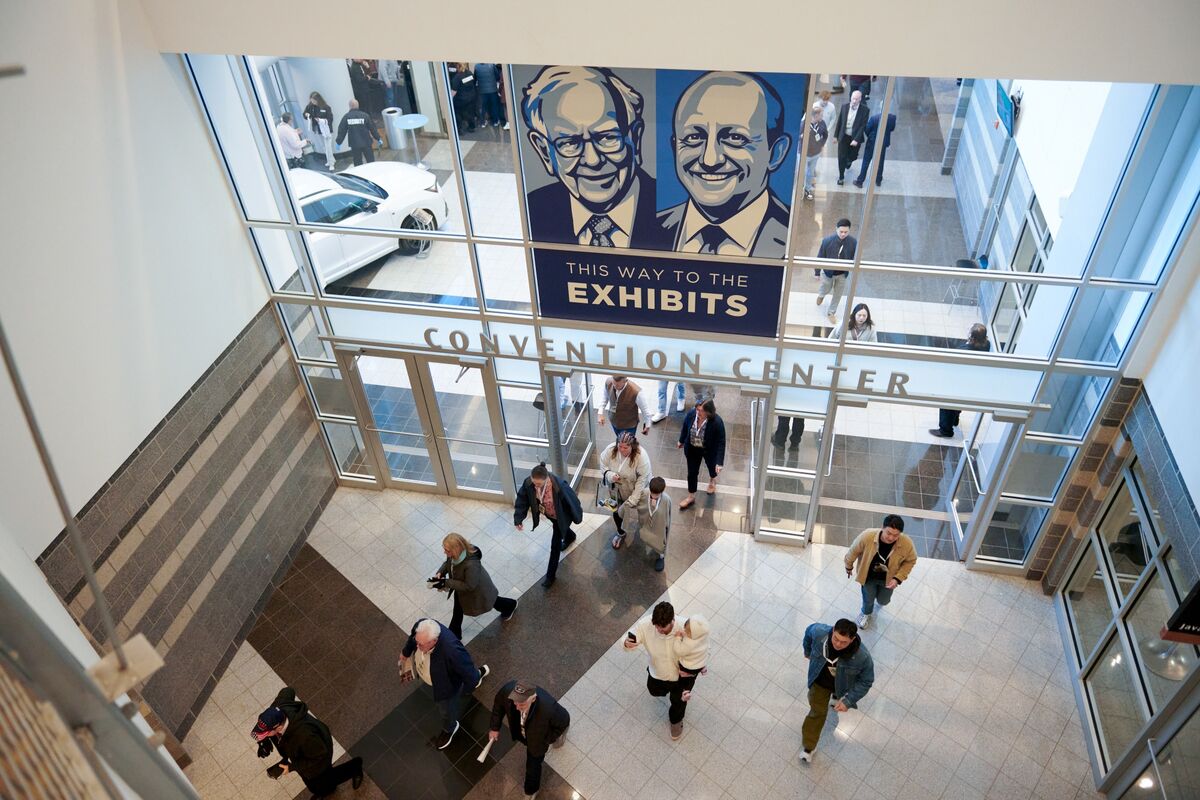
In the hallowed halls of Omaha’s CHI Health Center, Greg Abel, the heir apparent to Warren Buffett’s empire, wasted no time tackling the pressing issues facing Berkshire Hathaway. At the company’s annual shareholders meeting—a spectacle often dubbed the “Woodstock of Capitalism”—Abel’s poised demeanor and decisive rhetoric signaled a new era for the conglomerate. With Buffett, now 93, gradually stepping back, Abel’s ascent marks a pivotal moment for one of the world’s most influential companies.
The transition of leadership within Berkshire Hathaway has long been a topic of speculation and scrutiny. Buffett, affectionately known as the “Oracle of Omaha,” has built the company into a sprawling $800 billion empire spanning industries from insurance to railroads, energy, and consumer goods. Yet, as Buffett himself has acknowledged, no leader is irreplaceable. The naming of Greg Abel as his successor in 2021 was a carefully orchestrated move, designed to ensure continuity and stability.
Abel, who previously led Berkshire Hathaway Energy, is no stranger to the challenges of managing complex businesses. His track record includes transforming the energy division into a powerhouse, with significant investments in renewable energy and infrastructure. However, taking the helm of Berkshire Hathaway is an entirely different proposition. The conglomerate’s sheer size and diverse portfolio demand a leader who can navigate both macroeconomic shifts and industry-specific disruptions.
At this year’s shareholders meeting, Abel addressed concerns head-on, earning praise for his transparency and strategic vision. Among the key issues discussed were Berkshire’s slowing growth trajectory, its massive cash reserves—now exceeding $160 billion—and the contentious topic of succession planning beyond Abel himself. Investors, analysts, and journalists alike were eager to gauge whether Abel could fill the shoes of Buffett, a figure synonymous with the company’s success.
One of the most pressing questions centered on Berkshire’s cash hoard. Critics have pointed out that the company’s reluctance to deploy this capital into acquisitions or investments risks leaving shareholders short-changed. Abel acknowledged the dilemma, emphasizing the importance of patience and discipline. “We’re not going to make acquisitions just for the sake of deploying capital,” he stated. “We’re looking for opportunities that align with Berkshire’s long-term philosophy and offer meaningful value.”
Another focal point was the company’s energy strategy. As global markets pivot toward renewables, Berkshire Hathaway Energy has been at the forefront of the transition, investing heavily in wind and solar projects. Abel highlighted the division’s achievements while acknowledging the challenges posed by regulatory hurdles and geopolitical tensions. “Energy is a cornerstone of our portfolio, and we remain committed to leading the way in sustainable solutions,” he said.
Yet, not all discussions were smooth sailing. The topic of succession planning sparked intense debate. While Abel’s appointment as CEO-in-waiting has provided clarity, questions remain about the broader leadership structure. Buffett’s longtime business partner, Charlie Munger, who passed away in late 2023, leaves a void that extends beyond Abel’s role. Investors are keen to understand how Berkshire plans to cultivate and retain top-tier talent to ensure its continued success.
Abel addressed these concerns with a mix of candor and optimism. “We’re fortunate to have a deep bench of talented leaders across our businesses,” he noted. “Our focus is on empowering these individuals and fostering a culture of innovation and accountability.”
Beyond the specifics, Abel’s performance at the shareholders meeting underscored his readiness to lead. His calm demeanor, coupled with a clear-eyed assessment of Berkshire’s challenges, resonated with attendees. Analysts noted that while he may lack Buffett’s legendary charisma, his pragmatic approach could prove equally effective in steering the company through uncertain times.
The broader context of Berkshire Hathaway’s evolution adds layers of complexity to Abel’s leadership. The conglomerate operates in an era marked by rapid technological advancements, economic volatility, and shifting consumer preferences. Traditional industries, such as insurance and railroads—staples of Berkshire’s portfolio—face existential threats from innovation and competition. Meanwhile, emerging sectors like artificial intelligence and healthcare demand strategic focus and investment.
Abel’s ability to balance these dynamics will be critical. His emphasis on sustainability and long-term value creation aligns with broader trends, but execution will be key. As one analyst remarked, “Berkshire Hathaway is a behemoth. Moving it forward requires not just vision, but precision and adaptability.”
The shareholders meeting also provided a platform for Abel to outline his priorities moving forward. Among them: enhancing shareholder returns, optimizing operational efficiency, and exploring new growth avenues. While he stopped short of unveiling specific plans, his commitment to upholding Berkshire’s core principles—integrity, stewardship, and excellence—was evident.
As the event drew to a close, the consensus among attendees was one of cautious optimism. Abel’s leadership marks a turning point for Berkshire Hathaway—a company that has long been synonymous with Warren Buffett. While the road ahead is fraught with challenges, Abel’s performance suggests that he is more than capable of rising to the occasion.
In the words of one long-time shareholder, “Change is inevitable, but Greg Abel gives us reason to believe that Berkshire Hathaway’s best days are still ahead.”
The legacy of Warren Buffett looms large, but under Greg Abel’s stewardship, Berkshire Hathaway appears poised to navigate the complexities of the modern economy with resilience and purpose. As the world watches this leadership transition unfold, one thing is clear: the story of Berkshire Hathaway is far from over.
