


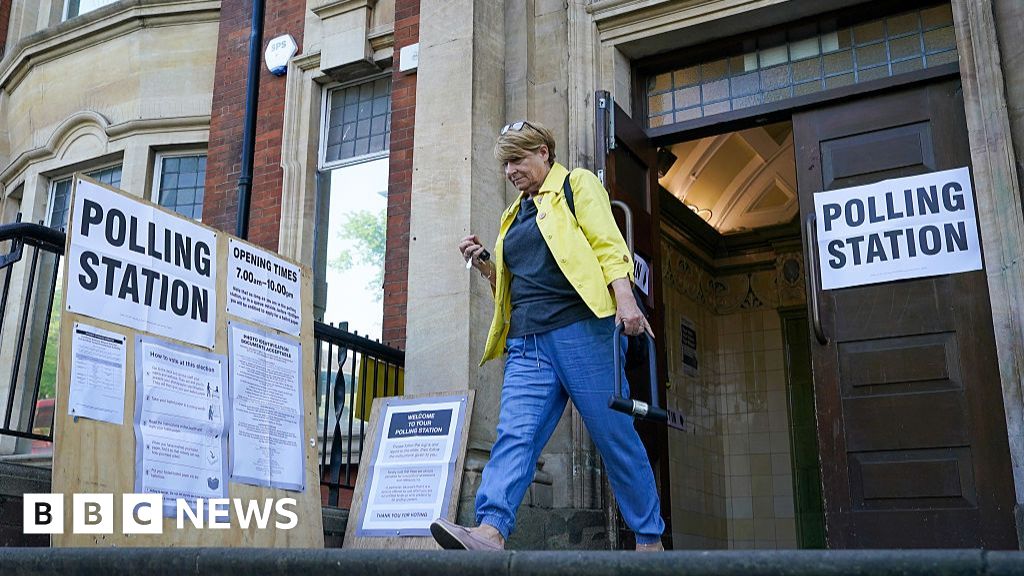

Local Elections Highlight Growing Political Fragmentation Across England, Wales, and Scotland
The political landscape across England, Wales, and Scotland is becoming increasingly fragmented as voters prepare for upcoming local elections, with a diverse array of parties vying for influence beyond the traditional dominance of Labour and the Conservatives. The contests feature not only the Liberal Democrats but also insurgent forces like Reform UK, the Green Party of England and Wales, and a growing number of competitive independent candidates. Meanwhile, in Wales and Scotland, nationalist movements such as Plaid Cymru and the Scottish National Party (SNP) continue to push their visions for independence, further reshaping regional politics.
A Crowded Political Field in England
Local elections in England have long been a battleground between Labour and the Conservatives, but this year’s contests reflect a broader shift. The Liberal Democrats are positioning themselves as a centrist alternative, particularly in suburban and rural areas where dissatisfaction with the two major parties runs high. Meanwhile, Reform UK—the successor to the Brexit Party—is seeking to capitalize on discontent over immigration and economic policy, drawing votes away from the Conservatives.
The Green Party of England and Wales is also gaining traction, especially in urban and younger demographics, where climate change and social justice issues dominate voter concerns. Independent candidates, often campaigning on hyper-local issues, are increasingly competitive, signaling a decline in traditional party loyalties.
Wales: Plaid Cymru’s Push for Independence
In Wales, the nationalist party Plaid Cymru remains a key player, advocating for Welsh independence—a long-term goal that has gained modest but steady support in recent years. While Labour continues to dominate Welsh politics, Plaid Cymru’s influence is notable in areas like Gwynedd and Carmarthenshire, where Welsh identity and language preservation are central issues.
The local elections will serve as a barometer for Plaid Cymru’s momentum, particularly as debates over devolution and self-governance intensify. A strong showing could embolden calls for a future independence referendum, though such a move remains politically distant for now.
Scotland’s Independence Debate Looms Over Elections
Scotland’s political scene remains dominated by the SNP, which has governed since 2007 and continues to push for a second independence referendum. Despite legal and political hurdles, the party maintains a strong base, with local elections serving as a proxy for national sentiment.
The Scottish Green Party, which governs in coalition with the SNP, is also a growing force, particularly among younger and environmentally conscious voters. Together, these parties are reshaping Scotland’s political priorities, with independence and climate action at the forefront.
Why This Matters
The fragmentation of the UK’s political landscape reflects deeper societal shifts—declining trust in major parties, rising regional identities, and evolving voter priorities. While Labour and the Conservatives still dominate Westminster, their grip on local politics is weakening, creating opportunities for smaller parties and independents.
In Wales and Scotland, the persistence of nationalist movements underscores ongoing tensions over devolution and self-determination. Even if full independence remains unlikely in the short term, these movements are forcing a broader conversation about the UK’s future structure.
What Comes Next?
The results of these local elections will offer critical insights into voter sentiment ahead of the next general election. If smaller parties and independents perform well, it could signal a permanent realignment in British politics, with coalition-building becoming more common at both local and national levels.
For Wales and Scotland, strong showings by Plaid Cymru and the SNP will likely reignite debates over independence, putting further pressure on the UK government to address regional grievances. Regardless of the outcome, one thing is clear: the era of two-party dominance in the UK is fading, and the political map is being redrawn.
