


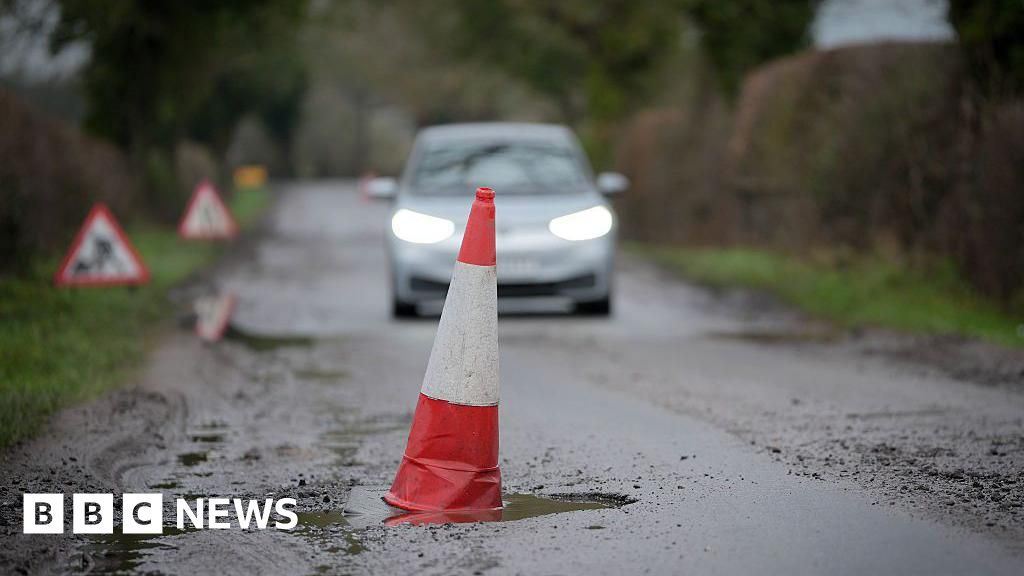

Local Elections in England: State of Roads Takes Center Stage in Voter Concerns
As voters across England head to the polls this week for local elections, the deteriorating state of roads has emerged as a defining issue in many constituencies. Pothole-riddled streets, crumbling infrastructure, and delayed repairs are fueling widespread frustration, prompting residents to demand greater accountability from local councils and candidates vying for office.
The condition of England’s roads has become a flashpoint in communities nationwide, with motorists, cyclists, and pedestrians alike voicing concerns over safety hazards and rising vehicle repair costs. Local authorities, already grappling with budget constraints, face mounting pressure to prioritize infrastructure investments. For many voters, the election represents a critical opportunity to hold officials accountable and push for long-term solutions.
“The roads here are a disgrace,” said Sarah Mitchell, a resident of a suburban town in the Midlands. “I’ve had to replace two tires this year because of potholes. It’s not just an inconvenience—it’s a safety issue and a financial burden.” Mitchell’s sentiment echoes across the country, where reports of damaged vehicles and accidents linked to poor road conditions have surged in recent years.
Local councils, responsible for maintaining over 95% of England’s road network, have struggled to keep pace with the growing backlog of repairs. A combination of harsh weather, increased traffic, and reduced funding has exacerbated the problem. According to recent data, councils filled over 1.7 million potholes last year, but critics argue this is merely a stopgap measure rather than a sustainable solution.
The issue has also ignited debates over funding allocation. With local government budgets stretched thin, councils are often forced to prioritize emergency repairs over comprehensive resurfacing projects. This reactive approach has left many roads in a perpetual state of disrepair, frustrating residents who feel their concerns are being overlooked.
Political parties and independent candidates are seizing on the issue, pledging to address road maintenance if elected. Campaign leaflets and debates are filled with promises of increased investment, innovative resurfacing techniques, and closer collaboration with national agencies. However, voters remain skeptical, questioning whether these pledges will translate into tangible improvements.
The Conservative government has sought to address the problem through initiatives like the Potholes Fund, which allocates £500 million annually to local authorities for road repairs. While welcomed by some councils, critics argue that this funding falls short of what is needed to tackle the scale of the crisis. Labour and Liberal Democrat candidates have called for a more substantial, long-term financial commitment, emphasizing the economic and public health benefits of investing in infrastructure.
Beyond the immediate inconvenience, the state of England’s roads has broader implications for the economy and environment. Poor road conditions increase fuel consumption, contribute to vehicle emissions, and deter cyclists and pedestrians. For businesses, delayed deliveries and higher transportation costs can erode profitability. Investing in road infrastructure, advocates argue, is not just a matter of convenience but a crucial component of sustainable economic growth.
The issue has also galvanized grassroots campaigns, with community groups organizing protests and petitions to demand action. Social media platforms are flooded with photos of particularly hazardous potholes, shared under hashtags like #FixOurRoads and #PotholeProtest. These campaigns have amplified public pressure, forcing candidates to address the issue head-on.
For local councils, the elections come at a pivotal moment. With voter turnout often low in local elections, angry residents could wield significant influence at the ballot box. Candidates who fail to articulate a clear plan for improving road conditions risk alienating a sizable portion of the electorate.
The outcome of this week’s elections could have far-reaching consequences for England’s infrastructure policy. A strong mandate from voters could compel councils to prioritize road maintenance in their budgets, while also pressuring the national government to provide additional funding. Conversely, a lack of decisive action risks deepening public disillusionment with local governance.
Looking ahead, the issue underscores the broader challenges facing England’s infrastructure. As climate change intensifies and traffic volumes rise, the demand for resilient, well-maintained roads will only grow. Local councils, political parties, and national policymakers must work collaboratively to develop innovative solutions that address both immediate concerns and long-term needs.
For voters, the elections represent more than a routine civic duty—they are a chance to demand accountability and drive meaningful change. As Sarah Mitchell put it, “This isn’t just about potholes. It’s about whether our local leaders care enough to fix the problems that affect us every day.”
The results of this week’s polls will reveal whether voters’ frustration over road conditions has translated into electoral consequences—and whether candidates’ promises will lead to smoother journeys ahead.
