


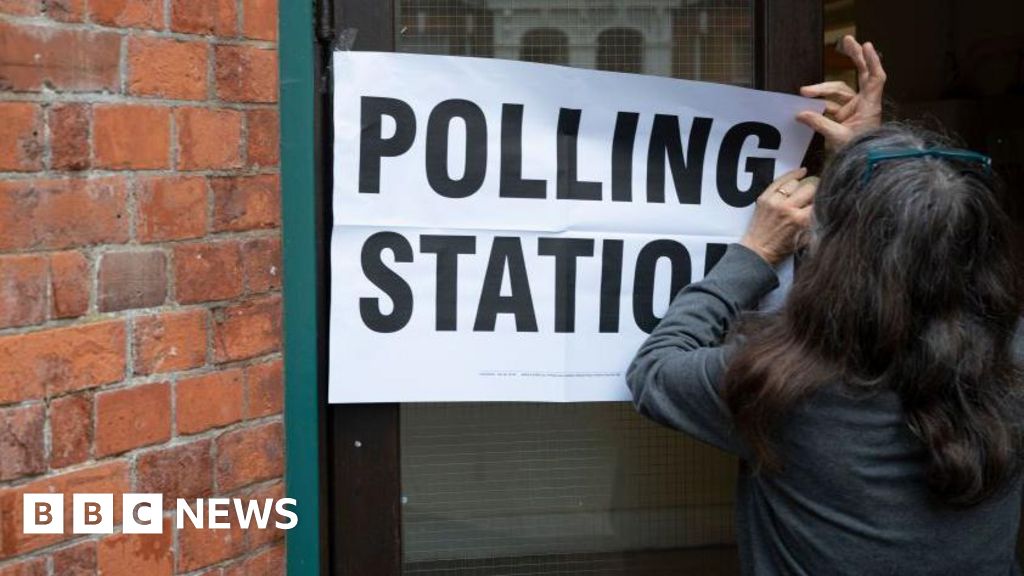

England Introduces Mandatory Photo ID Requirement for Local Elections
Starting May 7, voters in England will face a significant change in the electoral process: the requirement to present valid photo identification to cast their ballots in local elections. This new rule, enacted by the UK government, marks the first time such a measure has been implemented nationwide in England. The move has sparked widespread debate, with supporters citing enhanced election security and critics warning of potential voter suppression.
The decision to mandate photo ID follows the passage of the Elections Act in 2022, which aimed to modernize and strengthen the integrity of the electoral system. Proponents argue that the measure will prevent voter fraud, ensuring that only eligible individuals can participate in elections. Critics, however, contend that the requirement could disenfranchise certain groups, particularly those less likely to possess photo ID, such as the elderly, low-income individuals, and young people.
What Counts as Valid Photo ID?
The government has outlined a list of acceptable identification documents, including passports, driving licenses, and certain forms of bus passes or travel cards. For those without these forms of ID, a free voter authority certificate can be obtained by applying through local councils. However, concerns have been raised about the accessibility and awareness of this alternative option, especially among marginalized communities.
Electoral officials have emphasized the importance of public education campaigns to ensure voters are informed about the new requirements. Leaflets, social media advertisements, and community outreach programs have been rolled out to spread awareness. Despite these efforts, some advocacy groups argue that the timeline for implementation is too short, leaving little room for voters to adapt.
Why Does This Matter?
The introduction of photo ID requirements carries significant implications for democracy and voter participation. Supporters of the policy argue that it brings England in line with other democracies, such as France and Canada, where photo ID is already mandatory. They assert that safeguarding the electoral process is crucial to maintaining public trust in election outcomes.
Opponents, however, point to data showing that voter fraud in the UK is extremely rare. A report by the Electoral Commission found only a handful of proven cases in recent years. Critics fear that the new rule could disproportionately affect groups already underrepresented in the electoral process, exacerbating existing inequalities.
Reactions from Key Stakeholders
Political leaders and advocacy organizations have weighed in on the debate. Prime Minister Rishi Sunak has defended the policy, stating that it is a “common-sense measure” to protect democracy. Opposition leaders, including Labour’s Keir Starmer, have criticized the move as a “solution in search of a problem,” suggesting it could discourage voter turnout.
Civil society organizations, such as the Electoral Reform Society, have expressed concern about the potential impact on voter participation. They argue that the government should focus on addressing barriers to voting rather than introducing new ones. Local councils, tasked with implementing the policy, have called for additional resources to meet the logistical challenges of verifying IDs on election day.
Broader Context
The introduction of photo ID requirements comes amid growing global scrutiny of electoral integrity and voter access. In the United States, similar measures have been implemented in several states, often sparking contentious legal battles. Proponents argue that such policies are necessary to prevent fraud, while critics view them as attempts to suppress turnout among certain demographics.
In England, the debate reflects broader tensions around the balance between election security and voter accessibility. The May local elections will serve as a critical test case for the new policy, with observers closely monitoring its impact on turnout and voter behavior.
Future Implications
The outcome of the May elections could influence the trajectory of electoral policy in the UK. If turnout remains steady and the process runs smoothly, the government may view the policy as a success and consider extending it to other elections, including general elections. Conversely, if turnout drops significantly or logistical issues arise, calls for its repeal could gain momentum.
Beyond England, the policy could inspire similar measures in other parts of the UK, such as Scotland and Wales, where photo ID is not currently required. Internationally, the move may also prompt other democracies to reevaluate their own electoral processes.
As England prepares for this historic shift, the broader conversation about voting rights and election integrity continues. The May elections will not only determine local leadership but also serve as a litmus test for the future of democracy in the UK. All eyes will be on voter turnout, election administration, and the ongoing debate over whether the new rules strengthen or weaken the democratic process.
