


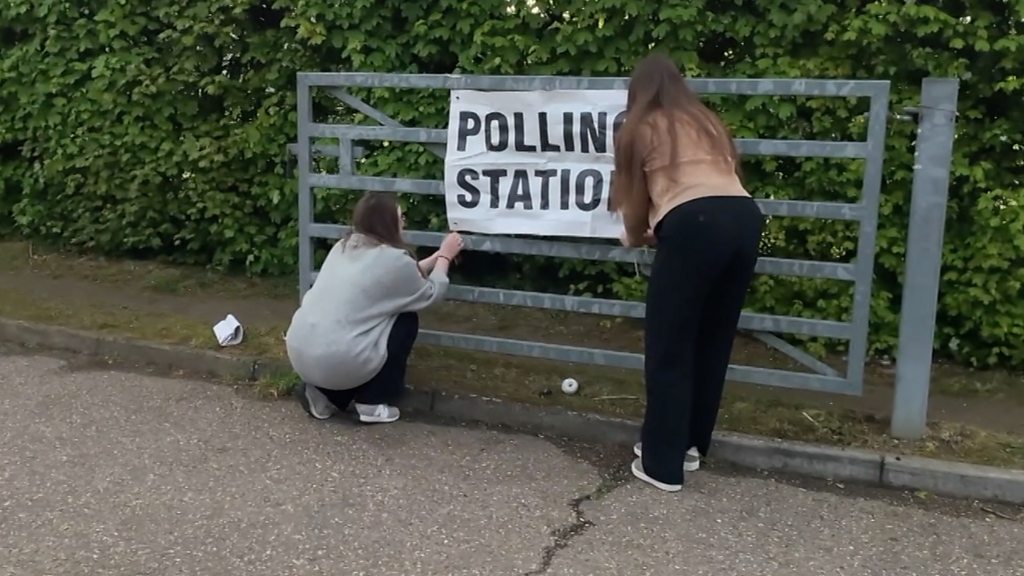

Behind the Scenes: The Unseen Efforts Before Polling Stations Open
As millions of voters across the country prepare to cast their ballots in the upcoming election, a lesser-known drama unfolds in the hours before polling stations even open. From last-minute logistical scrambles to ensuring security and transparency, the work that happens behind the scenes is critical to safeguarding democracy.
The Midnight Rush: Setting Up for Democracy
Hours before dawn, election workers in precincts nationwide are already in motion. Trucks deliver voting machines, poll workers unpack ballots, and technicians test equipment to ensure everything runs smoothly. In some districts, officials work through the night to address last-minute challenges, from malfunctioning machines to staffing shortages.
“The real election happens before the voters arrive,” said Maria Hernandez, a veteran election coordinator in Ohio. “If we don’t get it right before the doors open, the entire day can be thrown into chaos.”
Security and Scrutiny: Guarding Against Threats
With election integrity under heightened scrutiny, law enforcement and cybersecurity teams are on high alert. Federal agencies, including the Department of Homeland Security, have deployed additional resources to monitor potential threats, from disinformation campaigns to physical disruptions at polling sites.
Local officials are also taking extra precautions. In battleground states like Pennsylvania and Georgia, poll workers have undergone rigorous training to identify and respond to intimidation tactics or technical failures. Meanwhile, independent observers from nonpartisan organizations are stationed at key locations to document any irregularities.
The Human Factor: Poll Workers on the Front Lines
The smooth operation of elections relies heavily on an army of temporary workers—many of them retirees, teachers, and civic-minded volunteers. This year, recruitment efforts have intensified amid concerns about shortages, particularly in politically polarized regions where tensions could flare.
“We’ve had to triple our training sessions,” said James Carter, a county elections supervisor in Michigan. “People need to know how to handle everything from a paper jam to a confrontation between voters.”
Technology and Trust: The Delicate Balance
While electronic voting machines promise efficiency, they also bring risks. In several states, officials have reverted to paper backups as a safeguard against hacking or glitches. Cybersecurity experts emphasize that no system is entirely foolproof, but layered defenses—including post-election audits—help maintain public confidence.
“The goal isn’t just to run an election; it’s to run one that people trust,” said Dr. Lisa Nguyen, a voting systems analyst. “That means transparency at every step.”
Why This Matters
The integrity of the electoral process hinges on these unseen efforts. Any misstep—whether logistical, technical, or security-related—can fuel disputes and erode trust in the outcome. In an era of deep political divisions, the work done before polls open may be just as consequential as the votes themselves.
What Comes Next
As voting begins, the focus will shift to turnout, exit polls, and eventual results. But the lessons learned from this election’s preparation will shape future reforms, from bolstering cybersecurity to expanding poll worker training. For now, the teams behind the scenes remain vigilant—ensuring that when the doors open, democracy is ready.
