


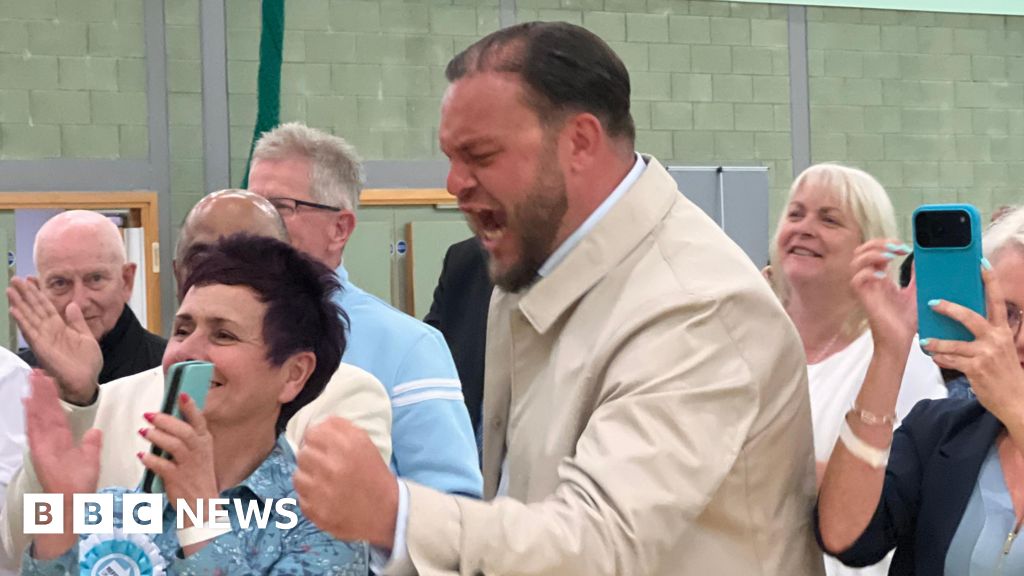

Nigel Farage’s Reform UK Celebrates Major Local Election Victories in Essex
Nigel Farage’s Reform UK has secured significant victories in local elections, winning control of Essex County Council and Thurrock Council. The results mark a dramatic shift in British politics, signaling growing support for the right-wing party and dealing a blow to the Conservative Party in one of its traditional strongholds.
The wins come after months of campaigning focused on immigration, economic reform, and dissatisfaction with the ruling Tories. Reform UK, previously seen as a fringe movement, has now demonstrated its ability to mobilize voters and reshape local governance. Analysts suggest the results could foreshadow a broader challenge to the Conservative Party in the next general election.
A Political Earthquake in Essex
Essex County Council, long a Conservative bastion, has fallen to Reform UK in a decisive swing. Thurrock Council, another key battleground, also flipped to Farage’s party. The victories were celebrated by Reform UK leaders as proof of their expanding influence.
Nigel Farage, the party’s honorary president and a prominent Brexit campaigner, hailed the results as a “turning point” for British politics. “This is no protest vote—it’s a revolution,” he declared. “People are fed up with empty promises and want real change.”
The Conservative Party, which has governed Essex for decades, acknowledged the losses but downplayed their national implications. A spokesperson insisted the results reflected local frustrations rather than a wholesale rejection of the party.
Why It Matters
The Essex victories underscore a broader trend of voter disillusionment with mainstream parties. Reform UK’s anti-immigration stance and calls for tax cuts have resonated in working-class areas that once reliably backed the Conservatives. The party’s success also highlights the fragmentation of the right-wing vote, which could complicate future electoral strategies for the Tories.
Political analysts warn that if Reform UK maintains momentum, it could siphon enough support from the Conservatives to hand Labour an advantage in the next general election. “This isn’t just about local councils—it’s a warning shot,” said one expert. “The Conservative Party can no longer take its base for granted.”
What Comes Next?
Reform UK’s next challenge will be translating local success into parliamentary seats. Farage has hinted at a potential return to frontline politics, raising speculation about his candidacy in the next general election. Meanwhile, the Conservatives face pressure to address voter concerns or risk further defections.
For now, all eyes are on Essex. The council results have reshaped the political landscape, proving that Reform UK is no longer a protest movement but a serious force in British politics. The coming months will determine whether this surge is a temporary backlash or the beginning of a lasting realignment.
