


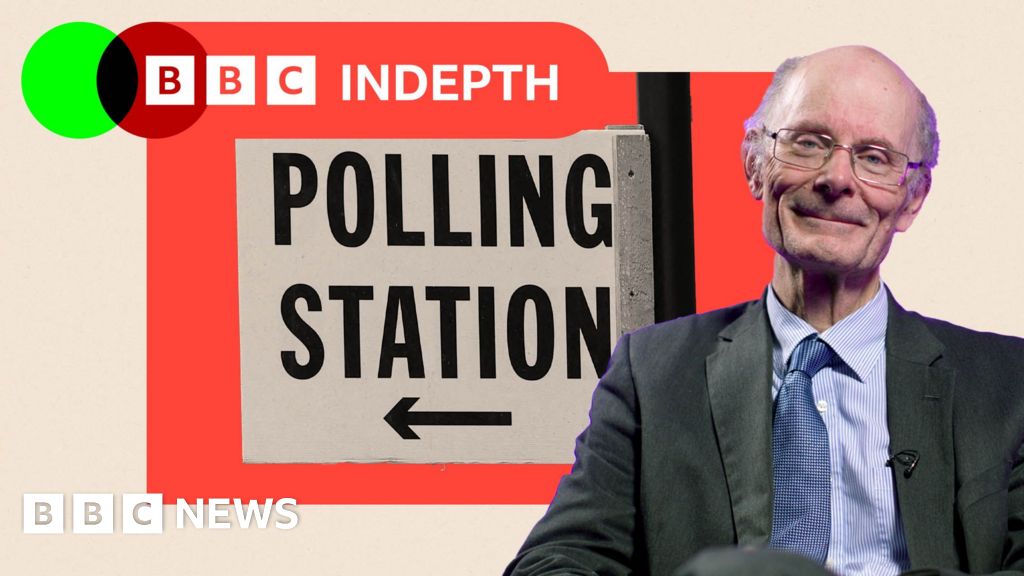

Minority Parties Outperform Conservatives and Labour in UK Local Elections
In a striking shift in British politics, minority parties have outperformed the traditional powerhouses of the Conservative and Labour parties in this week’s local council elections. With nearly all results declared, the combined tally of seats won by Reform UK and the Green Party stands at 2,063, surpassing the 1,864 seats secured jointly by the Conservatives and Labour. The Liberal Democrats, Britain’s traditional third party, also made significant gains, winning 842 seats. This outcome not only underscores a growing disillusionment with the UK’s two largest parties but also signals a potential realignment in the country’s political landscape.
The results mark a historic moment for Reform UK and the Greens, both of which have long struggled to break through in a political system heavily dominated by Labour and the Conservatives. Voters backing these smaller parties have demonstrated that their support can translate into tangible electoral victories. This shift could have far-reaching implications for future general elections, where a fragmented vote could disrupt the traditional two-party system.
Reform UK, a right-wing populist party that emerged from the Brexit movement, has capitalized on dissatisfaction with the Conservative Party’s handling of key issues such as immigration and the economy. Similarly, the Green Party’s success reflects a growing emphasis on environmental and social justice issues, particularly among younger voters. Their combined gains suggest that voters are increasingly willing to abandon established parties in favor of alternatives that align more closely with their values.
The Conservative Party, already grappling with internal divisions and a series of scandals, suffered significant losses in these elections. This setback comes at a critical time, with a general election expected within the next year. Labour, while faring better than the Conservatives, failed to capitalize fully on the government’s unpopularity, raising questions about its ability to present a compelling alternative to voters.
The Liberal Democrats, meanwhile, have reasserted their presence as a significant force in local politics. Their performance indicates a resurgence in support in their traditional strongholds, particularly in the south of England. However, their national influence remains uncertain, as they continue to struggle to break through in broader elections.
These results matter because they highlight a growing appetite for change among British voters. The decline of the Conservative and Labour parties’ dominance suggests that the electorate is increasingly willing to experiment with new political movements. This shift could lead to a more pluralistic political system, with smaller parties playing a greater role in shaping policy and governance.
The implications of these elections extend beyond local politics. As the UK prepares for a general election, the success of Reform UK and the Greens could disrupt the traditional dynamics of British elections. Both parties are likely to use their local victories as a springboard for broader campaigns, potentially fragmenting the vote further and complicating the path to a parliamentary majority for either Labour or the Conservatives.
Looking ahead, the challenge for the larger parties will be to address the concerns driving voters toward smaller parties. For the Conservatives, this means regaining trust on issues like immigration and economic management. For Labour, it means offering a clear, compelling vision that resonates with a broader electorate.
For Reform UK and the Greens, the task will be to sustain their momentum and demonstrate that their local successes can translate into national influence. The Liberal Democrats, meanwhile, will need to build on their gains to reclaim their position as a viable third option in British politics.
The UK’s political landscape is undergoing a profound transformation. These local elections have shown that voters are no longer content to align strictly with the two largest parties. As the country moves toward a general election, the rise of minority parties could lead to a more diverse and competitive political arena—one that reflects the evolving priorities of the British electorate.
How this realignment plays out in the coming months will shape the future of British politics for years to come. The traditional duopoly of the Conservative and Labour parties is no longer unchallenged, and the UK may be on the brink of a new political era defined by greater choice and representation.
