


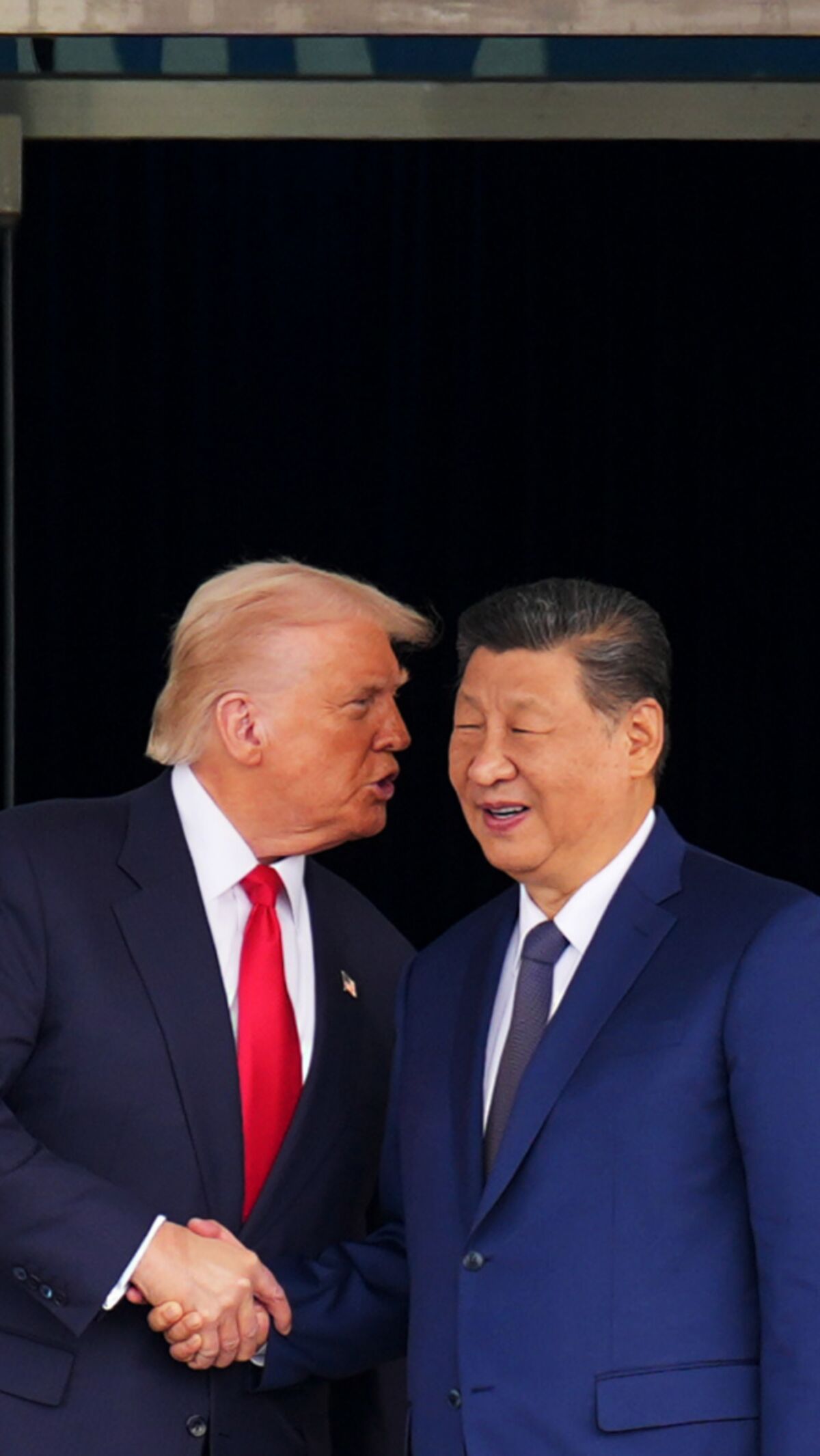

US-China Summit in Beijing: A Delicate Balancing Act Amid Rising Tensions
As the world watches with bated breath, US President Donald Trump’s upcoming summit in Beijing marks a pivotal moment in the increasingly fraught relationship between the United States and China. With bilateral ties strained by simmering trade disputes, geopolitical rivalries, and clashing ideologies, the stakes for this high-profile meeting could hardly be higher. Yet, amid the mounting expectations, analysts caution that Trump’s primary objective should be to avoid exacerbating an already volatile situation. The summit, which comes at a critical juncture in global geopolitics, serves as a litmus test for whether the two superpowers can find common ground—or if their rivalry will escalate into a full-blown confrontation.
The meeting, scheduled to take place in Beijing, underscores the complex and often contradictory nature of US-China relations. On one hand, the two nations remain deeply interconnected economically, with bilateral trade exceeding $700 billion in 2022 and countless industries reliant on this symbiotic relationship. On the other hand, tensions have escalated in recent years over issues ranging from Taiwan and the South China Sea to technological competition and human rights. Trump’s trip follows a series of provocative statements and actions from both sides, including Chinese military exercises near Taiwan and US restrictions on semiconductor exports to China. Against this backdrop, the summit represents a rare opportunity for dialogue—but also a potential flashpoint for further discord.
Economic Pressures Take Center Stage
One of the most pressing issues on the agenda is the ongoing trade dispute between the US and China, which has rumbled on since Trump first imposed tariffs on Chinese goods during his presidency. While the Biden administration has maintained some of these measures, it has also sought to recalibrate the relationship, acknowledging the risks of decoupling while pushing for fairer trade practices. China, meanwhile, has been keen to stabilize its economy amid slowing growth, rising unemployment, and a property market crisis. For Beijing, the summit is an opportunity to ease economic pressures and restore confidence in its relationship with the US.
However, Trump’s unpredictable approach poses a significant challenge. Known for his tough rhetoric and transactional mindset, the former president has repeatedly accused China of exploiting the US economically, famously dubbing the situation “the greatest theft in the history of the world.” While his administration negotiated a Phase One trade deal in 2020, many of its key provisions remain unfulfilled, leaving room for further friction. Analysts warn that Trump’s focus on short-term wins could undermine long-term progress, particularly if he prioritizes political optics over substantive agreements.
Geopolitical Flashpoints and Strategic Rivalry
Beyond trade, the summit will also confront a host of geopolitical issues that have fueled tensions between the two powers. One of the most contentious is Taiwan, which China claims as its territory and has vowed to reunify by force if necessary. The US, meanwhile, has long supported Taiwan’s self-defense capabilities while maintaining a policy of strategic ambiguity. Recent moves, including a bipartisan congressional delegation to Taipei and increased US military aid, have drawn sharp criticism from Beijing, which views such actions as interference in its internal affairs.
The South China Sea is another potential flashpoint, with China’s expansive territorial claims and militarization of islands in the region drawing ire from the US and its allies. Washington has repeatedly challenged Beijing’s actions through freedom of navigation operations and diplomatic condemnation, framing them as a threat to regional stability. Against this backdrop, Trump’s remarks and posture during the summit could have far-reaching implications, particularly if he adopts a confrontational tone or signals a shift in US policy.
Technological competition is another arena where the US-China rivalry is intensifying. From semiconductors and artificial intelligence to quantum computing and 5G networks, both nations are vying for dominance in critical sectors. The US has sought to limit China’s access to advanced technologies through export controls and investment restrictions, citing national security concerns. China, meanwhile, has accused the US of pursuing a containment strategy aimed at stifling its rise. With both sides unwilling to cede ground, the summit is unlikely to yield breakthroughs in this area—but it could help prevent further escalation.
A Test of Diplomacy and Leadership
For Trump, the summit represents a chance to burnish his foreign policy credentials ahead of a potential presidential run in 2024. Known for his unconventional approach—often characterized by grand gestures and fiery rhetoric—he faces the challenge of projecting strength while avoiding actions that could destabilize the relationship further. His advisors have reportedly urged him to focus on areas of potential cooperation, such as climate change and global health, where the two nations have overlapping interests.
For Chinese President Xi Jinping, the meeting is an opportunity to demonstrate China’s growing influence on the world stage. As he cements his role as the country’s most powerful leader since Mao Zedong, Xi is likely to seek both concrete outcomes and symbolic gestures that reinforce China’s status as a global power. However, his domestic priorities, including economic stability and social cohesion, may limit his willingness to make concessions.
A Fragile Truce or Renewed Confrontation?
As the summit approaches, the question on everyone’s mind is whether it will mark a turning point in US-China relations—or merely a pause in an escalating rivalry. While the two nations have shown glimpses of cooperation in the past, their strategic competition shows no signs of abating. The outcome of the meeting will depend not only on the substance of the discussions but also on the tone and messaging from both leaders.
Ultimately, the summit serves as a reminder of the delicate balance that defines US-China relations. As the world’s two largest economies and military powers, their interactions have profound implications for global stability and prosperity. While the path forward is fraught with challenges, the alternative—a deepening rift between the two giants—would have far graver consequences. In this high-stakes game of diplomacy, the best outcome may simply be to prevent things from getting worse.
As the leaders of the US and China prepare to sit down in Beijing, the world watches, hoping for progress but bracing for the possibility of further division.
