



Ukraine’s Anti-Corruption Struggle Threatens EU Aspirations Amid War
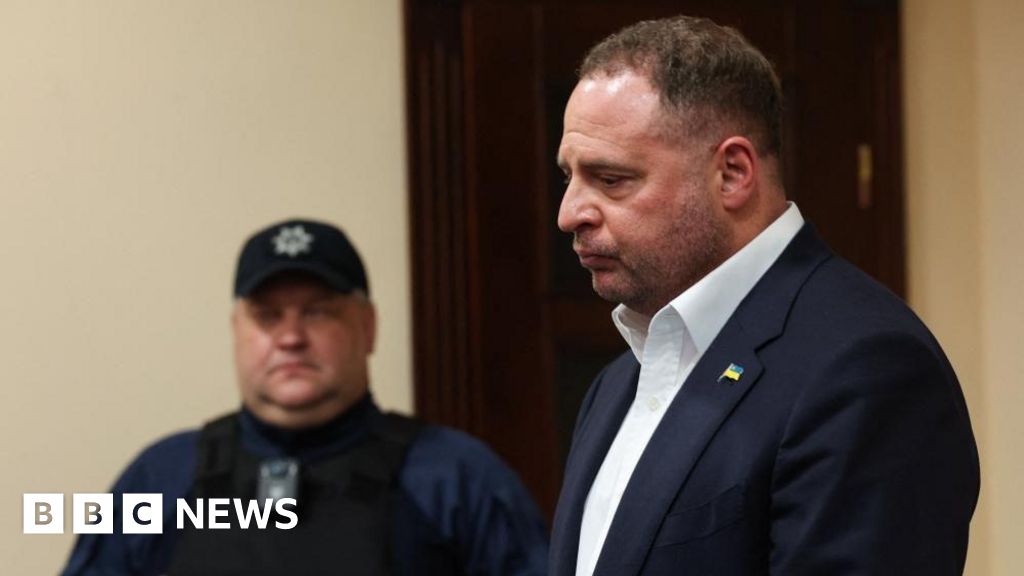
Kyiv, Ukraine – In the shadow of a brutal war with Russia, Ukraine faces another battle—one that could determine its future in Europe. Corruption allegations swirling around a top official, though uncharged and unnamed, have reignited concerns over Kyiv’s ability to meet the European Union’s stringent governance standards. The timing could not be worse: as Ukrainian forces fight for survival on the frontlines, their government’s credibility is being tested in Brussels.
A Scandal That Won’t Fade
The latest controversy centers on a high-ranking official accused of undermining Ukraine’s anti-corruption framework. While no formal charges have been filed, the allegations have drawn sharp scrutiny from EU officials, who view systemic corruption as a major obstacle to Ukraine’s membership bid.
This is not Kyiv’s first clash with Brussels over governance. Last year, President Volodymyr Zelensky was forced to withdraw a controversial law that weakened two key anti-corruption agencies following fierce domestic protests and international backlash. The episode exposed a troubling pattern: even as Ukraine fights for its sovereignty, internal reforms remain incomplete.
Why This Matters Beyond Ukraine
For the EU, Ukraine’s anti-corruption efforts are a litmus test of its readiness to join the bloc. The war has accelerated Kyiv’s push for membership, with the EU granting candidate status in June 2022—a symbolic but conditional step. However, progress has been uneven.
Corruption is not just a domestic issue; it has geopolitical ramifications. Western allies have poured billions into Ukraine’s military and economy, demanding transparency in return. Any perception of backsliding could erode international support at a critical moment. Moreover, Russia has long weaponized Ukraine’s governance flaws to justify its invasion, framing it as a “failed state.” Kyiv cannot afford to give Moscow ammunition.
Global Context: Corruption in War Zones
Ukraine is not alone in grappling with corruption during conflict. From Iraq to Afghanistan, wars often create fertile ground for graft, as emergency spending and disrupted institutions enable misuse of funds. But Ukraine’s case is unique: it seeks EU integration while under invasion, meaning reforms must happen under unprecedented pressure.
Experts warn that without decisive action, corruption could undermine military efficiency. “When resources are diverted from the frontlines, it’s not just a financial loss—it’s a security threat,” says Olena Halushka, a board member of Ukraine’s Anti-Corruption Action Center.
The EU’s Dilemma
Brussels walks a tightrope. On one hand, it wants to reward Ukraine’s defiance of Russia; on the other, it cannot ignore governance flaws. The bloc has already frozen funds for Hungary over rule-of-law violations, proving its willingness to enforce standards.
Some diplomats argue for patience, citing Ukraine’s wartime constraints. Others insist that leniency would set a dangerous precedent. “The EU cannot lower its benchmarks, even for a country at war,” says a senior European diplomat, speaking anonymously. “Otherwise, the credibility of enlargement collapses.”
What Comes Next?
Zelensky’s government faces mounting pressure to address the allegations transparently. Anti-corruption activists demand swift investigations, while Western partners watch closely. The coming weeks will reveal whether Kyiv can reassure Brussels—or if the scandal will stall its EU ambitions.
For Ukrainians, the stakes are existential. Membership in the EU represents not just economic opportunity, but a definitive break from Russia’s orbit. Yet as the war rages, the path to Europe grows ever more complex.
Conclusion: A Test of Resolve
Ukraine’s fight for survival is not only on the battlefield. Every reform, every investigation, and every political decision either strengthens its case for European integration or feeds doubts in Western capitals. The world is watching: will Kyiv prove it can uphold democratic values under fire, or will corruption become another enemy within?
The answer may shape Ukraine’s future long after the guns fall silent.
