



Ap Iorwerth Becomes Plaid Cymru’s First Welsh Government Leader, Calls It “Greatest Privilege of My Life”
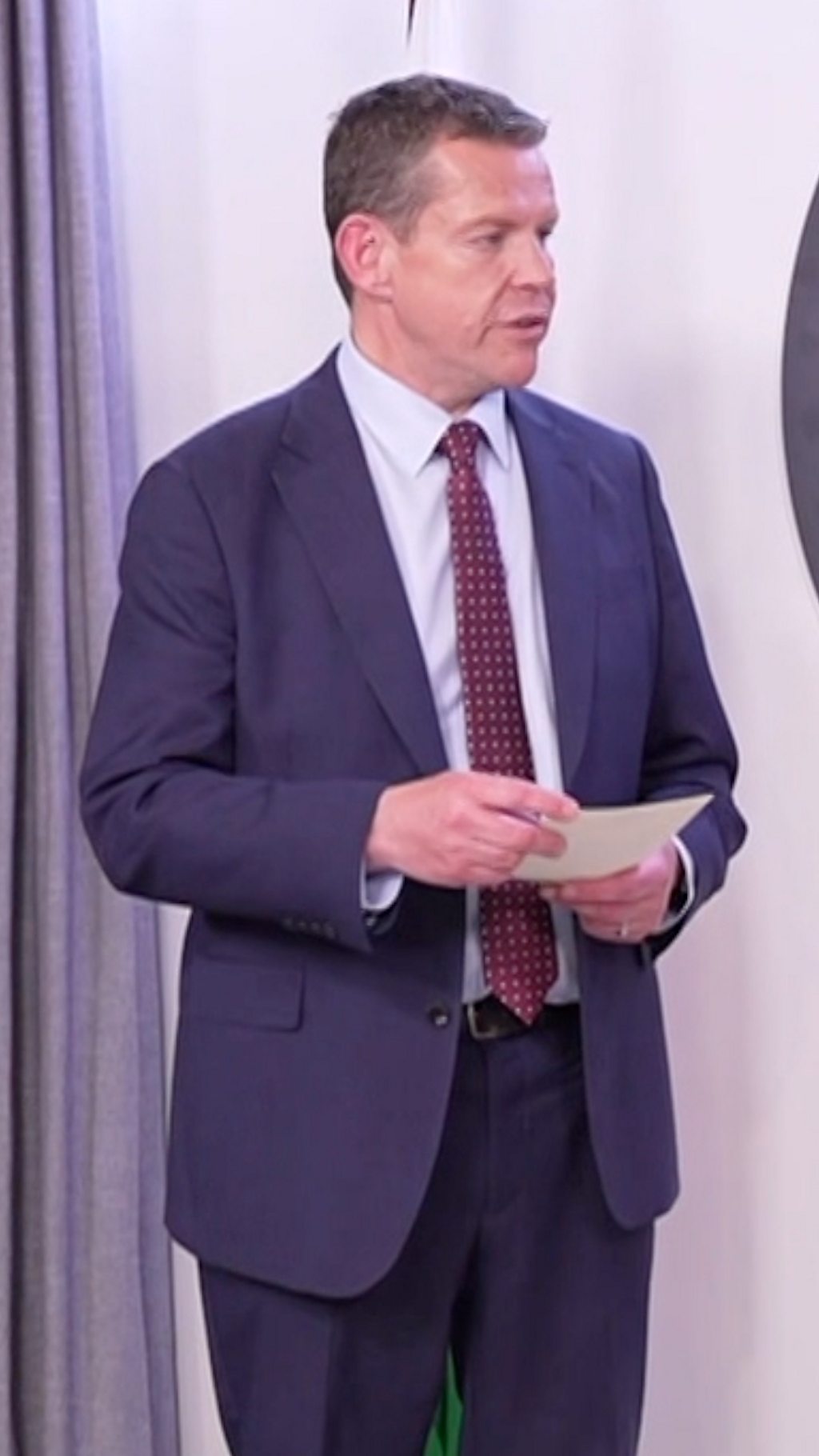
In a historic moment for Welsh politics, Ap Iorwerth has been named the first-ever Welsh Government leader for Plaid Cymru, the nationalist party dedicated to Welsh independence. Speaking at a press conference in Cardiff, Iorwerth described the appointment as “the greatest privilege of my life,” marking a significant milestone both for the party and the nation’s political landscape.
The announcement comes after months of internal party deliberations and strategic planning aimed at strengthening Plaid Cymru’s position within Wales. Iorwerth, a longtime Member of the Senedd (Welsh Parliament) and a prominent voice within the party, is widely regarded as a unifying figure with a clear vision for Wales’ future. His leadership is expected to reshape the party’s approach to governance and its push for greater autonomy.
A New Chapter for Plaid Cymru
Plaid Cymru, founded in 1925, has long advocated for Welsh independence and the preservation of Welsh culture and language. While the party has historically held influence in local governance, it has yet to lead the Welsh Government outright. Iorwerth’s appointment signals a bold step forward, as Plaid Cymru seeks to position itself as a viable alternative to the dominant Labour Party, which has governed Wales for over two decades.
Iorwerth, known for his pragmatic yet passionate approach to politics, emphasized his commitment to addressing pressing issues facing Wales, including economic recovery, healthcare, and education. “Wales deserves a government that puts its people first,” he declared, “a government that is unafraid to take bold steps to secure our nation’s future.”
Context and Significance
The appointment of Iorwerth comes at a pivotal time for Wales. The nation continues to grapple with the aftermath of Brexit, the COVID-19 pandemic, and ongoing challenges related to economic disparity between Wales and other parts of the United Kingdom. Iorwerth’s leadership is seen as an opportunity to reframe these challenges as catalysts for greater self-determination.
Moreover, the rise of Plaid Cymru reflects a broader shift in Welsh public opinion. Recent polls indicate growing support for greater devolution and even independence, particularly among younger voters. Iorwerth’s ability to connect with this demographic, coupled with his focus on practical policy solutions, positions him as a formidable leader in this evolving political climate.
Challenges Ahead
Despite the optimism surrounding Iorwerth’s appointment, significant hurdles remain. Plaid Cymru faces the daunting task of consolidating its influence in a political landscape still dominated by Labour. The party must also navigate complex relationships with Westminster, particularly as debates over devolution and funding allocation intensify.
Furthermore, Iorwerth must unite a party that has occasionally been divided over strategy and priorities. While some members advocate for a gradual approach to independence, others push for more immediate action. Iorwerth’s ability to balance these perspectives will be critical to the party’s success.
Reactions and Support
The announcement has been met with widespread support from within Plaid Cymru and beyond. Party members have praised Iorwerth’s leadership qualities and his dedication to Welsh values. “Ap Iorwerth is the leader Wales needs,” said one senior party official. “His vision and determination will inspire a new generation of Welsh citizens.”
Outside the party, reactions have been mixed. While some political analysts view the appointment as a potential turning point for Welsh politics, others caution that Plaid Cymru must demonstrate tangible results to sustain its momentum.
Future Implications
Looking ahead, Iorwerth’s leadership is likely to have far-reaching implications for Wales and the wider United Kingdom. His appointment could accelerate discussions around greater devolution, particularly in areas such as taxation and environmental policy. It may also reignite debates over Welsh independence, a topic that has gained traction in recent years but remains contentious.
For Plaid Cymru, the next few months will be critical. The party must focus on building a cohesive policy platform, engaging with voters across Wales, and proving its ability to govern effectively. Should Iorwerth succeed in these efforts, he could pave the way for Plaid Cymru to play a central role in shaping Wales’ future.
In his closing remarks, Iorwerth struck a hopeful tone: “This is not just a moment for Plaid Cymru; this is a moment for Wales. Together, we can forge a path that honors our past, empowers our present, and secures our future.”
As Wales embarks on this new chapter, all eyes will be on Ap Iorwerth and the party he leads, watching to see whether this historic appointment will translate into lasting change for the nation.
