



Norovirus Outbreak on Cruise Ship Sparks Global Health Concerns
Dramatic Outbreak at Sea
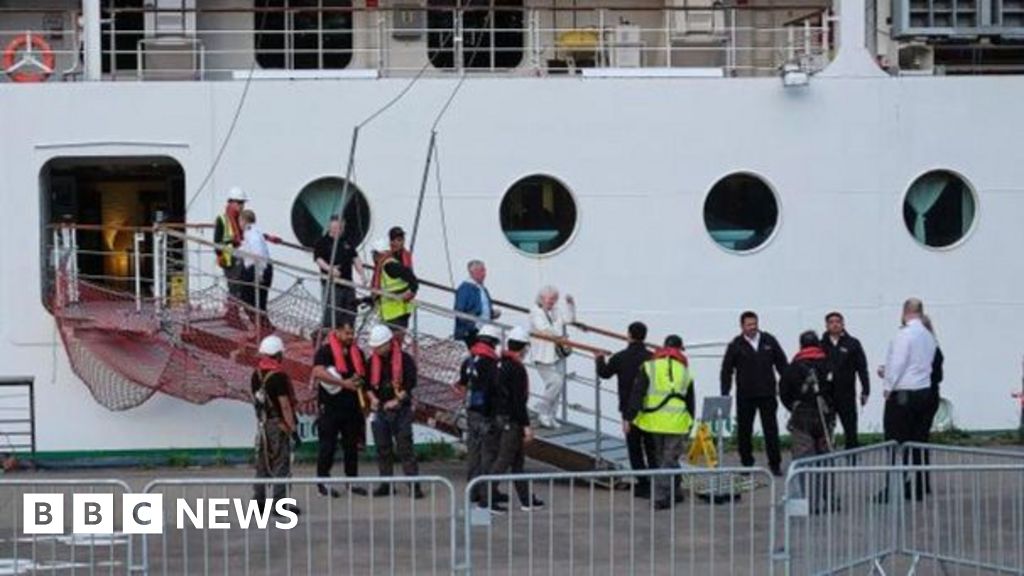
A luxury cruise ship carrying over 1,500 passengers has become the center of a global health alert after 49 people fell violently ill with norovirus, a highly contagious gastrointestinal disease. Despite the outbreak, authorities have allowed asymptomatic passengers to disembark, raising concerns about the potential spread of the virus to new regions. The incident highlights the persistent risks of disease transmission in confined, high-traffic environments—particularly as global travel rebounds post-pandemic.
What Happened Onboard?
The outbreak struck swiftly, with passengers reporting severe vomiting, diarrhea, and stomach cramps—hallmarks of norovirus. The ship’s medical team isolated infected individuals, but containment proved difficult given the virus’s notorious resilience. Health officials confirmed the pathogen as norovirus, which spreads through contaminated food, water, or surfaces.
Cruise ships are particularly vulnerable to such outbreaks due to tight living quarters, shared dining areas, and frequent passenger turnover. Despite sanitation protocols, the virus can linger on railings, doorknobs, and buffet utensils, making eradication nearly impossible without a complete shutdown.
Global Implications of the Outbreak
Norovirus is not just a cruise ship problem—it’s a global menace. The World Health Organization (WHO) estimates that norovirus causes 685 million infections annually, with up to 200,000 deaths, mostly in developing nations with limited healthcare access. While wealthy countries see frequent outbreaks in schools, hospitals, and care homes, the disease’s rapid spread in travel hubs poses a unique threat.
This incident comes as international travel surges, with 2024 passenger numbers nearing pre-pandemic levels. The cruise industry, eager to recover lost revenue, has downplayed health risks, but experts warn that lax sanitation standards could trigger larger outbreaks. If infected passengers carry the virus ashore, local healthcare systems—especially in tourist-heavy regions—could face sudden strain.
Why This Matters Beyond the Ship
- Economic Impact – Cruise lines suffered catastrophic losses during COVID-19. Another wave of outbreaks could deter passengers, destabilizing a $34 billion industry and affecting port cities reliant on tourism.
- Public Health Risks – Norovirus mutates rapidly, evading long-term immunity. An unchecked spread could overwhelm hospitals, particularly in areas with poor sanitation.
- Global Travel Policies – Governments may reconsider health screening for disembarking passengers, potentially reviving contentious debates over travel restrictions.
What’s Next?
Health officials are monitoring passengers who have left the ship, urging them to self-report symptoms. Meanwhile, the vessel will undergo deep cleaning before its next voyage—though past outbreaks suggest norovirus can persist despite rigorous disinfection.
The cruise industry faces mounting pressure to adopt stricter health measures, including pre-boarding health checks and improved outbreak response plans. However, critics argue that profit motives often outweigh safety concerns, leaving passengers vulnerable.
A Warning for the Future
This outbreak is more than an isolated incident—it’s a stark reminder of how quickly diseases can spread in our interconnected world. As travel and tourism continue to rebound, the balance between economic recovery and public health remains precarious. Without stronger safeguards, norovirus and other pathogens will keep exploiting the cracks in global health defenses, turning dream vacations into public health crises.
The question now is not if another outbreak will occur—but when, and how prepared we will be to stop it.
