



Brazil’s Oil Industry Sees Jobs Surge to Highest Levels Since 2010 Golden Era
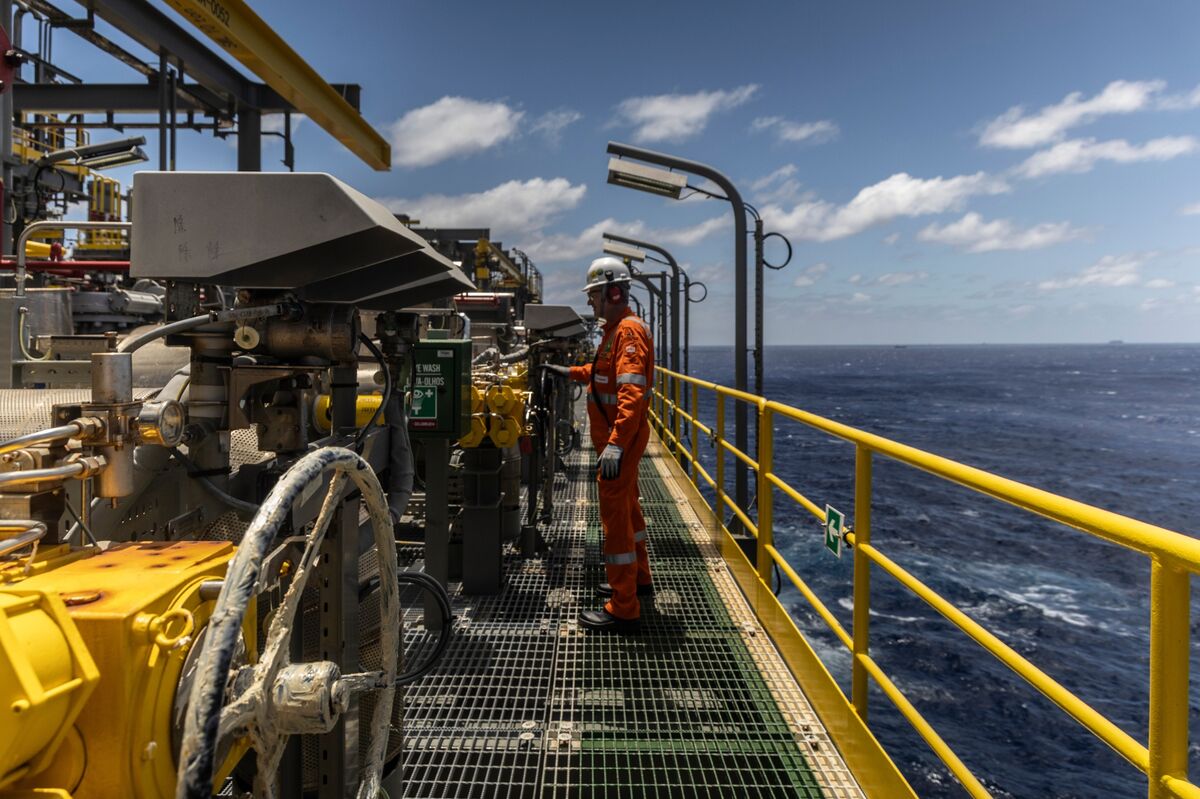
Rio de Janeiro, Brazil – In a remarkable turnaround for Brazil’s oil sector, employment levels have soared to their highest point since 2010, marking a resurgence reminiscent of the golden era when Petrobras, the state-controlled energy giant, embarked on ambitious mega-projects. This revival, driven by renewed investment, technological advancements, and global energy market dynamics, signals a potential renaissance for Latin America’s largest economy and its crucial oil industry.
The latest data reveals that more than 300,000 workers are now employed directly and indirectly in Brazil’s oil and gas sector, a figure not seen in over a decade. This growth underscores the industry’s recovery from years of stagnation, scandals, and global oil price crashes that had severely impacted Petrobras and the broader Brazilian energy landscape.
A Golden Era Revisited
The year 2010 marked a high point for Brazil’s oil industry. Petrobras, then riding high on the discovery of vast offshore reserves in the pre-salt fields, launched a $237 billion investment plan aimed at transforming Brazil into a global energy powerhouse. These mega-projects, which included deepwater drilling and massive infrastructure development, created hundreds of thousands of jobs and fueled optimism about Brazil’s economic future.
However, the dream soon unraveled. A combination of plummeting oil prices, the sprawling “Car Wash” corruption scandal, and fiscal mismanagement plunged Petrobras into financial turmoil. The company was forced to slash investments, sell assets, and cut tens of thousands of jobs. By the mid-2010s, Brazil’s oil industry was in crisis, and its golden era seemed a distant memory.
The Road to Recovery
The industry’s resurgence can be attributed to a confluence of factors. Global oil prices have stabilized at higher levels in recent years, driven by geopolitical tensions and post-pandemic economic recovery, making Brazil’s oil projects more financially viable. Additionally, Petrobras has streamlined its operations, divested from non-core assets, and focused on its core strength: offshore exploration and production.
“The rebound in employment is a testament to the resilience of Brazil’s oil industry,” said energy analyst Luiz Carlos Mendonça. “Petrobras has learned from past mistakes and is now operating with greater efficiency and transparency. Combined with favorable market conditions, this has created a perfect storm for growth.”
Technological Advancements and International Partnerships
Technological innovation has played a pivotal role in the industry’s revival. Advances in deepwater drilling and extraction techniques have made it cost-effective to tap into Brazil’s vast pre-salt reserves, which are estimated to hold over 30 billion barrels of oil. These reserves, located beneath layers of salt beneath the Atlantic Ocean, are among the most significant oil discoveries of the 21st century.
International partnerships have also bolstered the sector. Major global players such as Shell, TotalEnergies, and ExxonMobil have invested billions in Brazil’s oil projects, attracted by the country’s resource potential and improved regulatory environment. The Brazilian government has sought to attract foreign investment by implementing reforms, including reducing bureaucratic hurdles and offering favorable tax incentives.
Economic and Social Implications
The resurgence of Brazil’s oil industry has far-reaching implications for the country’s economy and labor market. The sector’s expansion is creating jobs not only in oil extraction but also in related industries such as logistics, engineering, and manufacturing. This has provided a much-needed boost to Brazil’s economy, which has struggled with sluggish growth and high unemployment in recent years.
“The oil industry is a cornerstone of Brazil’s economy,” said economist Ana Paula Vescovi. “Its recovery is generating ripple effects across various sectors, contributing to GDP growth and reducing unemployment. This is particularly significant in a country where job creation has been a persistent challenge.”
However, the benefits are not evenly distributed. Critics argue that the oil industry’s revival has primarily benefited coastal regions, where most extraction activities are concentrated, while inland areas continue to grapple with poverty and underdevelopment. Additionally, there are concerns about the environmental impact of increased oil production, particularly in sensitive marine ecosystems.
Challenges Ahead
Despite the positive developments, challenges remain. The global push for renewable energy and decarbonization poses a long-term threat to the oil industry. While Brazil has made strides in diversifying its energy mix, including significant investments in wind and solar power, oil remains a dominant player in the country’s economy.
“Brazil’s oil industry is at a crossroads,” said environmental activist Marina Silva. “While the current boom is creating jobs and driving economic growth, it also underscores the urgent need for a transition to cleaner energy sources. The country cannot afford to ignore the environmental and social costs of its reliance on fossil fuels.”
A Balanced Future
As Brazil’s oil industry reclaims its former glory, striking a balance between economic growth and sustainability will be crucial. Policymakers and industry leaders must navigate the dual challenges of maintaining competitiveness in a volatile global market while addressing the imperative to reduce carbon emissions.
For now, the rebound in employment is a cause for optimism, symbolizing the resilience and adaptability of Brazil’s energy sector. As the country looks to the future, the lessons of the past—both its triumphs and its pitfalls—will serve as a guide.
“Brazil’s oil industry has proven its ability to rise from adversity,” said energy strategist Fernando Cunha. “The challenge now is to ensure that this resurgence is inclusive, sustainable, and aligned with the global energy transition.”
In a world grappling with the complexities of energy security and climate change, Brazil’s oil industry stands at a pivotal moment—poised to thrive, yet mindful of the need for transformation.
