


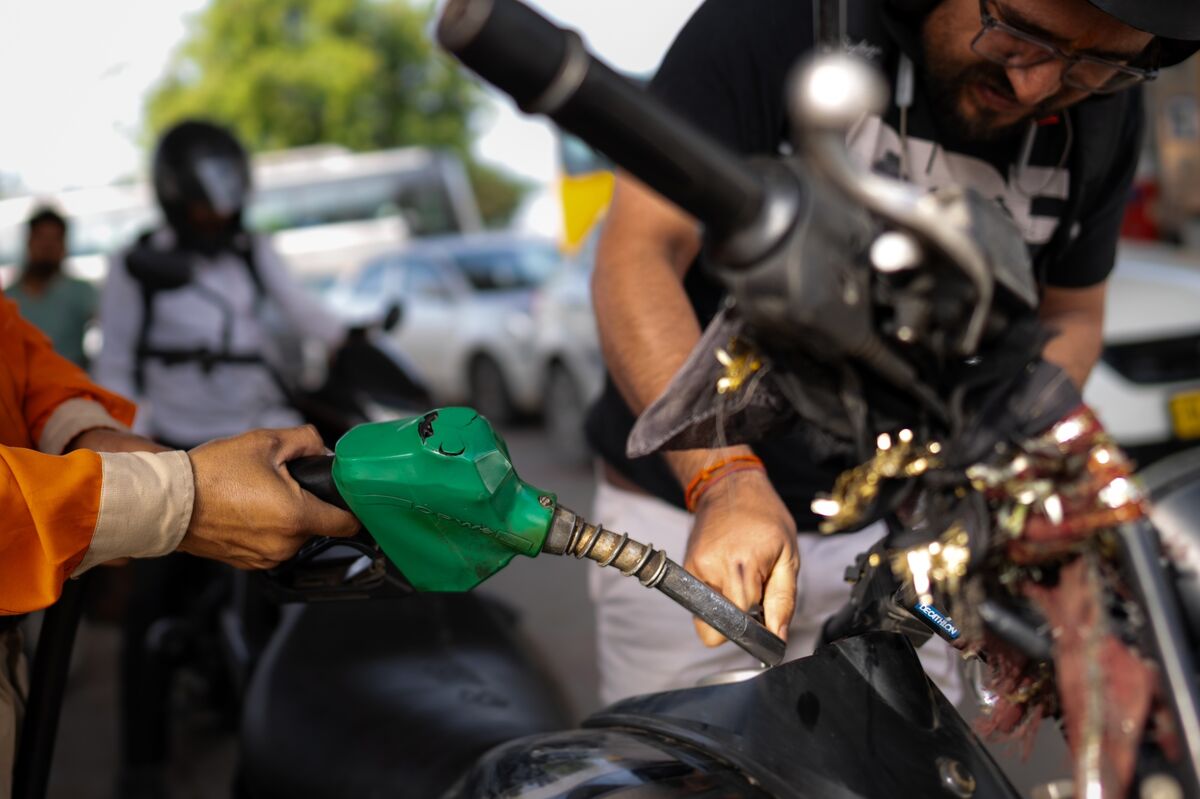

India Implements First Fuel Price Hike in Four Years as Global Energy Crisis Deepens
In a landmark decision that marks the end of a four-year freeze, Indian state fuel retailers have increased the prices of diesel and gasoline, signaling a pivotal shift in the country’s energy policy. The move, announced on Friday, comes as India grapples with mounting financial pressures from surging global oil prices and a widening gap between import costs and retail prices. The price hike is expected to curb demand, reduce revenue losses for fuel retailers, and align India’s domestic fuel pricing more closely with international market trends.
The decision to raise fuel prices is significant in a country where petrol and diesel prices have remained unchanged since November 2021, despite rising global oil prices exacerbated by geopolitical tensions, pandemic-related disruptions, and supply chain constraints. India, the world’s third-largest consumer of crude oil, imports over 85% of its oil needs, making it particularly vulnerable to fluctuations in global energy markets. The new pricing structure reflects the government’s attempt to balance the mounting financial burden on state-owned fuel retailers with the need to protect consumers from sharp inflationary pressures.
The Context: A Global Energy Crisis
The timing of India’s fuel price hike is emblematic of a broader global energy crisis. Since the onset of the Russia-Ukraine conflict in February 2022, crude oil prices have soared, reaching multi-year highs. Western sanctions on Russian oil exports and OPEC+ production cuts have further tightened global supplies, driving prices upward. For India, this has created a dual challenge: rising import costs and mounting losses for state fuel retailers, which have been forced to sell diesel and gasoline below market rates to shield consumers from inflation.
State-owned fuel retailers—Indian Oil Corporation, Bharat Petroleum, and Hindustan Petroleum—have reportedly incurred significant losses in recent months due to the widening gap between international crude prices and domestic retail prices. Analysts estimate that these companies have been losing billions of rupees daily, raising concerns about their financial sustainability. The price hike is seen as a necessary step to alleviate these losses and stabilize the sector.
Impact on Consumers and the Economy
The fuel price increase is expected to have far-reaching implications for India’s economy, which is still recovering from the shocks of the COVID-19 pandemic. Diesel and gasoline are critical components of India’s transportation and logistics sectors, and any increase in their prices is likely to ripple through the economy, pushing up costs for goods and services.
For consumers, the immediate impact will be felt at the pump, with diesel prices rising by approximately 6% and gasoline by 5%, according to industry estimates. This comes at a time when inflation in India is already hovering near a seven-year high, driven by rising food and energy costs. The price hike could further squeeze household budgets, particularly for low- and middle-income families, who are already grappling with the economic fallout of the pandemic.
Industry experts warn that higher fuel prices could also dampen consumer demand, potentially slowing economic growth. “Fuel price increases have a cascading effect on the economy,” says Rajiv Sharma, a Mumbai-based economist. “Transportation costs will rise, leading to higher prices for essential goods, which could stifle consumer spending and impact overall economic recovery.”
Government’s Balancing Act
The Indian government has walked a tightrope in managing the fuel price hike, balancing the need to shore up its finances with the political imperative of protecting consumers. Fuel prices are a sensitive issue in India, where millions rely on affordable petrol and diesel for their livelihoods. Past increases have triggered widespread public protests, forcing governments to backtrack on price hikes.
This time, however, the government has taken a more measured approach, emphasizing the need to stabilize the financial health of state fuel retailers and ensure long-term energy security. “The decision to raise fuel prices was not taken lightly,” said a senior government official, speaking on condition of anonymity. “We recognize the challenges faced by consumers, but it is imperative to address the mounting losses incurred by fuel retailers to safeguard the sector’s sustainability.”
The government has also hinted at the possibility of targeted relief measures to mitigate the impact on vulnerable groups. These could include subsidies for low-income households or reductions in excise duties on fuel, though no concrete plans have been announced yet.
Global Implications
India’s fuel price hike is not just a domestic issue; it has broader implications for the global energy market. As one of the world’s largest consumers of oil, India’s decisions on fuel pricing can influence global demand trends. The price hike is expected to temper India’s appetite for imported oil, potentially easing some upward pressure on global crude prices.
However, the move also highlights the challenges faced by emerging economies in navigating the ongoing energy crisis. Many developing countries, already burdened by high debt and limited fiscal headroom, are struggling to balance the need for economic recovery with the imperative of managing energy costs. India’s experience underscores the delicate trade-offs involved in addressing these challenges.
Looking Ahead
The fuel price hike is a reminder of the complex interplay between global energy markets and domestic economic policies. While the move is likely to provide much-needed relief to state fuel retailers, its impact on consumers and the broader economy remains uncertain.
As India navigates this critical juncture, the government faces the dual challenge of ensuring energy affordability while maintaining fiscal prudence. The global energy crisis shows no signs of abating, and India’s response will be closely watched as a barometer of how emerging economies adapt to these unprecedented challenges.
In the words of one industry analyst, “This is not just about fuel prices; it’s about how India and other nations strike a balance between immediate economic pressures and long-term energy security.” The outcome will shape not only India’s economic trajectory but also its role in the global energy landscape.
