


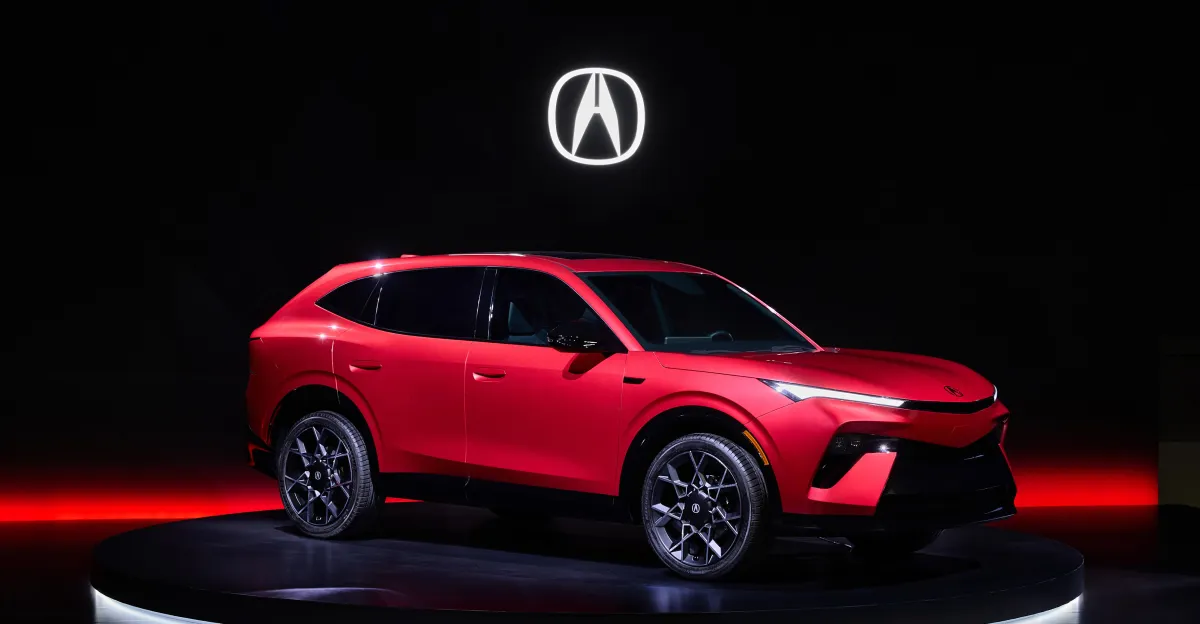

Honda Unveils Next-Gen Hybrid Prototypes Amid Strategic EV Pivot
Tokyo, Japan – Honda has unveiled two highly anticipated hybrid vehicle prototypes—an Accord sedan and an Acura RDX SUV—marking a significant step in the automaker’s evolving electrification strategy. The reveal, made during Honda’s annual global business briefing, signals a renewed commitment to hybrid technology even as the company reassesses its long-term electric vehicle (EV) investments.
Next-Gen Hybrid Platform Takes Center Stage
The prototypes, built on a newly developed hybrid platform, are expected to enter production in 2025. The Acura RDX SUV, in particular, represents a milestone as Honda’s first SUV to incorporate its next-generation two-motor hybrid system. This technology promises improved efficiency and performance, positioning Honda to compete more aggressively in the growing hybrid market.
Industry analysts note that Honda’s latest hybrid push comes at a pivotal moment. While global EV demand has shown signs of slowing, hybrid sales—particularly in North America and Asia—continue to surge. Honda’s decision to expand its hybrid lineup suggests a strategic hedge against uncertainties in the EV sector.
EV Strategy Under Review After Major Writedown
The hybrid reveal follows a sobering financial disclosure earlier this year. In March, Honda announced a staggering ¥2.5 trillion ($15.7 billion) writedown on its EV investments, citing shifting market conditions and slower-than-expected adoption rates. The company now expects EV-related losses to persist until 2029, with a full reassessment of its electrification roadmap slated for 2030.
Honda’s cautious stance reflects broader industry trends. Automakers worldwide are grappling with high EV development costs, fluctuating consumer demand, and regulatory uncertainty. While Honda remains committed to carbon neutrality, its latest moves suggest a more balanced approach—leveraging hybrids as a bridge technology while refining its EV strategy.
Competitive Landscape and Future Outlook
Honda’s hybrid prototypes arrive as rivals intensify their own electrification efforts. Toyota, a longtime hybrid leader, continues to expand its lineup, while Hyundai and Ford are investing heavily in both hybrid and fully electric models. Meanwhile, Chinese automakers like BYD are gaining ground with competitively priced EVs, adding pressure on legacy manufacturers.
Despite these challenges, Honda’s hybrid technology could prove a differentiator. The company’s two-motor system, already praised in models like the CR-V Hybrid, offers a compelling blend of fuel efficiency and driving dynamics. If the new Accord and RDX hybrids deliver on their promise, they could help Honda regain momentum in key markets.
A Calculated Shift in Strategy
Honda’s dual focus—advancing hybrid technology while reassessing its EV plans—highlights the complexities of the automotive industry’s transition to electrification. While some competitors are doubling down on EVs, Honda appears to be adopting a more pragmatic approach, prioritizing technologies with near-term market viability.
The company’s leadership has emphasized flexibility, acknowledging that consumer preferences and infrastructure readiness vary widely by region. In markets where charging networks remain underdeveloped, hybrids may offer a more practical solution for emissions reduction.
Conclusion: Balancing Innovation and Market Realities
Honda’s latest hybrid prototypes underscore its adaptability in a rapidly changing industry. By refining its hybrid offerings and recalibrating its EV ambitions, the automaker is positioning itself to navigate an uncertain future. As the automotive world watches Honda’s next moves, one thing is clear: the road to electrification is anything but straightforward.
For now, Honda seems content to let hybrids lead the way—while keeping a cautious eye on the EV horizon.
