


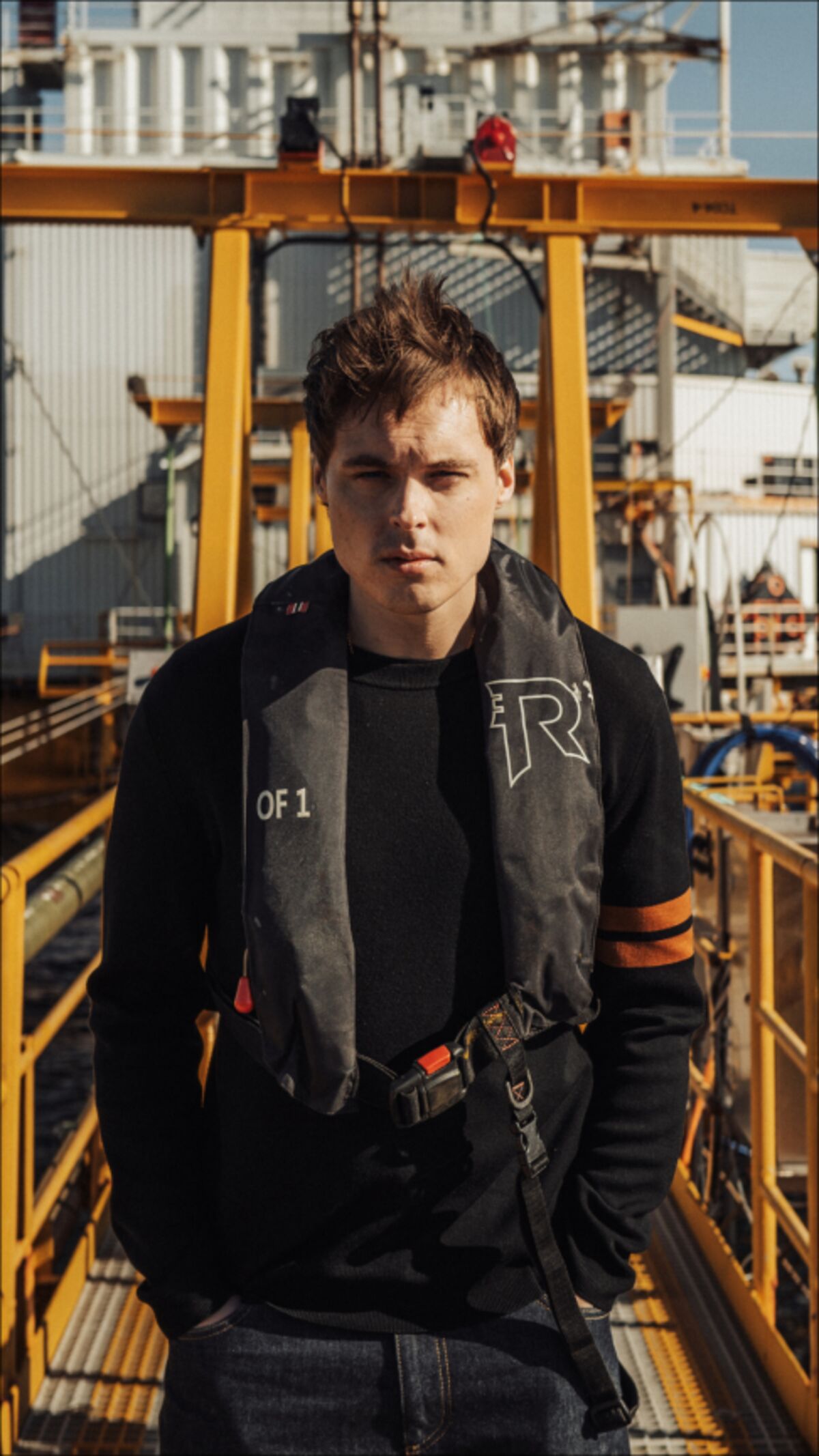

Norwegian Billionaire Gustav Magnar Witzøe Bets Fortune on Revolutionizing Global Aquaculture
Oslo, Norway—At just 33 years old, Gustav Magnar Witzøe is a study in contrasts: a social media-savvy fashion influencer with over a million Instagram followers, a former model, and a shrewd investor. But beneath the polished veneer of his public persona lies an ambitious industrialist with a singular mission—to build the world’s most advanced and sustainable fish farm.
Witzøe, whose net worth hovers around $3 billion, is leveraging his family’s aquaculture empire to pioneer cutting-edge innovations in salmon farming. His company, SalMar ASA, already ranks among Norway’s largest seafood producers. Now, he’s pouring millions into high-tech offshore facilities designed to address the industry’s most pressing challenges: environmental impact, overcrowding, and disease.
From Instagram Fame to Aquaculture Disruption
Witzøe’s rise is as unconventional as it is meteoric. The son of Gustav Witzøe Sr., co-founder of SalMar, he inherited a 47% stake in the company at 19, instantly catapulting him into billionaire status. Yet rather than resting on generational wealth, he has actively expanded his influence—dabbling in modeling, tech investments, and philanthropy while maintaining a firm grip on SalMar’s strategic direction.
His dual identity—social media star and serious businessman—has drawn comparisons to other young tycoons like Elon Musk, blending celebrity with disruptive industry ambitions. But Witzøe’s focus remains squarely on aquaculture, a sector critical to global food security yet plagued by sustainability concerns.
The Push for Offshore Fish Farming
Traditional salmon farming, concentrated in coastal net pens, faces mounting criticism. Overcrowding leads to disease outbreaks like sea lice infestations, while waste runoff harms marine ecosystems. Witzøe’s solution? Move operations offshore into massive, submersible pens dubbed “Ocean Farms.”
These futuristic structures, some as large as football fields, are stationed in deeper, faster-moving waters where natural currents disperse waste and reduce parasite risks. SalMar’s first offshore farm, “Ocean Farm 1,” launched in 2017 as a pilot project. Early results show promise: lower mortality rates, healthier fish, and a 50% reduction in sea lice compared to coastal farms.
“We’re not just farming fish; we’re reimagining the entire system,” Witzøe told Bloomberg in a recent interview. “The ocean is vast, and if we harness its potential responsibly, we can feed millions without destroying ecosystems.”
Global Implications and Challenges
The stakes are high. With wild fish stocks collapsing—over 90% of global fisheries are fully exploited or overfished, per the UN—aquaculture supplies nearly half of all seafood consumed worldwide. Norway, the world’s top salmon exporter, is under pressure to lead sustainable practices.
Yet offshore farming isn’t without hurdles. Critics cite high startup costs (each Ocean Farm unit costs ~$200 million) and potential risks to deep-sea ecosystems. Environmental NGOs urge caution, warning that scaling up could introduce new problems, such as genetic contamination if farmed salmon escape.
Witzøe acknowledges the challenges but remains undeterred. SalMar is collaborating with researchers to monitor environmental impacts and has pledged to achieve carbon-neutral operations by 2030. “Innovation requires risk,” he says. “But the bigger risk is doing nothing.”
A Vision Beyond Norway
Witzøe’s ambitions extend beyond his homeland. SalMar has invested in Scottish salmon farms and is eyeing expansion in North America and Asia, where demand for protein-rich seafood is soaring. His strategy hinges on automation—AI-driven feeding systems, underwater drones for monitoring, and robotics to minimize human labor.
The billionaire’s high-profile advocacy has also thrust him into policy debates. He’s lobbied for relaxed regulations on offshore farming in the EU and US, arguing that bureaucracy stifles progress. Not everyone agrees. Small-scale fishermen and coastal communities fear industrialization could displace traditional livelihoods.
The Man Behind the Mission
Despite his wealth, Witzøe maintains a relatable, almost anti-establishment image. He drives a Tesla but posts selfies with his dog, Luna. He invests in startups like Norwegian fintech giant Vipps but also funds ocean-cleanup initiatives.
Colleagues describe him as “disarmingly pragmatic” and deeply involved in SalMar’s operations. “He’s not a figurehead,” says a company executive. “He dives into data, questions engineers, and pushes for faster innovation.”
Balancing Profit and Planet
Witzøe’s venture sits at the intersection of profit and sustainability—a test case for whether industrial-scale aquaculture can align with environmental stewardship. Success could position Norway as the Saudi Arabia of seafood, with Witzøe as its de facto ambassador. Failure might reinforce skepticism about big agribusiness’s role in solving food crises.
For now, the billionaire’s bet is clear: The future of fish farming lies offshore, in the icy depths of the North Sea and beyond. As global populations grow and climate change reshapes food systems, the world will be watching.
Whether Witzøe’s vision becomes a blueprint for sustainable aquaculture or a cautionary tale of overreach, one thing is certain: The race to feed the planet is evolving, and Norway is at the forefront.
