



Global Tech Firms Face Pressure as EU Grapples with Child Safety Online
By [Your Name]
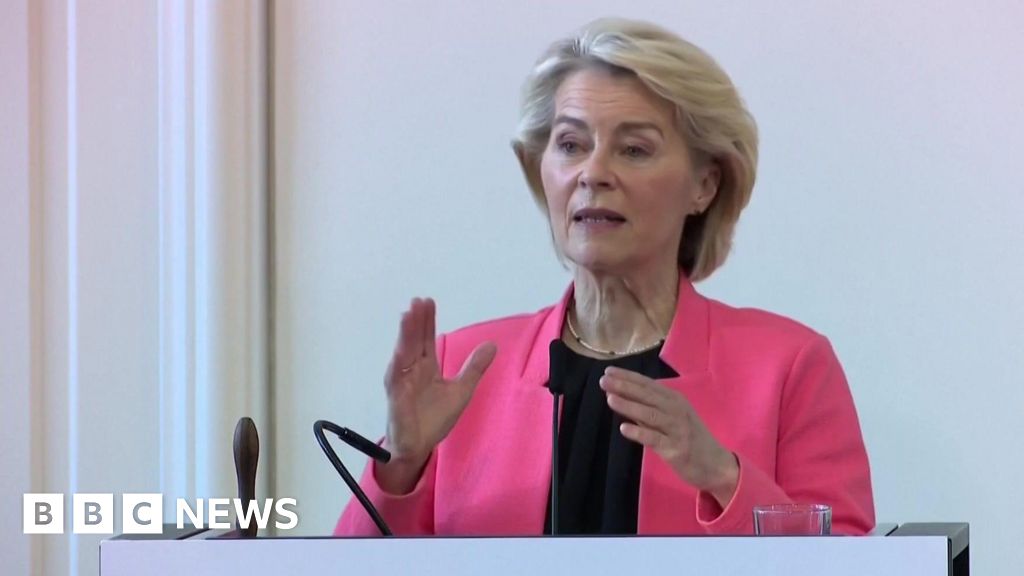
The European Union is poised to take decisive action as global leaders demand accountability from tech giants over the escalating crisis of online child exploitation. In a high-stakes EU summit earlier this week, European Commission President Ursula von der Leyen revealed that a panel of experts is set to deliver concrete recommendations by July to safeguard minors in the digital realm. This announcement comes amid growing alarm over the unchecked proliferation of harmful content and predatory behavior on social media platforms.
The move underscores a broader global reckoning over the role of technology in shaping young lives. With cyber threats to children reaching unprecedented levels, the EU’s initiative marks a pivotal moment in the ongoing struggle to balance innovation with accountability.
A Crisis Without Borders
The issue of child safety online transcends national boundaries, making it a pressing concern for governments worldwide. According to UNICEF, one in three internet users globally is a child, exposing millions to risks such as cyberbullying, grooming, and exposure to explicit material. In the U.S., the Surgeon General recently issued a stark warning about the mental health toll of social media on young people. Meanwhile, Australia and India have launched their own campaigns to regulate digital platforms, reflecting a shared urgency to tackle this growing menace.
The EU’s latest push builds on its landmark Digital Services Act (DSA), which imposes stricter obligations on tech companies to moderate harmful content. However, critics argue that enforcement remains uneven, leaving children vulnerable despite legislative progress. The upcoming expert panel recommendations are expected to address these gaps, potentially reshaping the global digital landscape.
Tech Giants Under the Microscope
The spotlight on tech companies has intensified as public outrage mounts over their perceived inaction. Platforms such as Facebook, Instagram, TikTok, and YouTube have long faced accusations of prioritizing engagement over safety, with algorithms often amplifying harmful content. Internal leaks from several firms have revealed executives downplaying risks to children, further fueling calls for stricter oversight.
During the EU summit, von der Leyen emphasized the need for “urgent and effective measures” to hold tech giants accountable. Her remarks echoed concerns raised by regulators in the UK and Canada, where recent investigations have exposed systemic failures in content moderation. The EU’s forthcoming recommendations could serve as a blueprint for global action, compelling companies to adopt more robust safeguards or face hefty penalties.
Why It Matters Globally
The implications of the EU’s initiative extend far beyond Europe’s borders. As home to some of the world’s largest tech companies, the bloc’s regulatory decisions often set the tone for global standards. A stronger framework for protecting minors online could inspire similar measures in other regions, creating a ripple effect that reshapes the digital ecosystem.
Moreover, the issue intersects with broader debates about privacy, free speech, and corporate responsibility. Striking the right balance requires careful deliberation, as overly restrictive policies could stifle innovation, while lax enforcement endangers vulnerable users. The EU’s approach could offer a roadmap for navigating these complex trade-offs, influencing policymakers worldwide.
A Call for Collective Action
Beyond regulatory measures, experts stress the importance of collaboration between governments, tech companies, and civil society. Education campaigns aimed at raising digital literacy among children and parents are seen as critical complements to legal reforms. Organizations such as the World Health Organization (WHO) and the International Telecommunication Union (ITU) have urged a coordinated global response, highlighting the interconnected nature of the challenge.
The EU’s initiative also coincides with renewed efforts by the United Nations to address online child exploitation. Earlier this year, UN Secretary-General António Guterres called for a unified approach to combat cybercrime targeting children, underscoring the need for international cooperation.
Conclusion: A Turning Point for Digital Governance
As the EU prepares to unveil its recommendations this summer, the world watches closely, recognizing the stakes for millions of young lives. The urgency of this issue cannot be overstated: protecting children online is not just a moral imperative but a fundamental prerequisite for a safer, more equitable digital future.
This moment represents a potential turning point in the ongoing struggle to hold tech giants accountable. With governments, advocates, and global organizations rallying behind the cause, there is hope that decisive action will finally curb the scourge of online exploitation. The question now is whether the world’s leaders and corporations will rise to the challenge—or risk failing a generation in desperate need of protection.
The EU’s bold stance serves as a reminder that inaction is no longer an option. As the digital age marches forward, safeguarding its youngest users must remain at the forefront of the global agenda. The time to act is now.
