


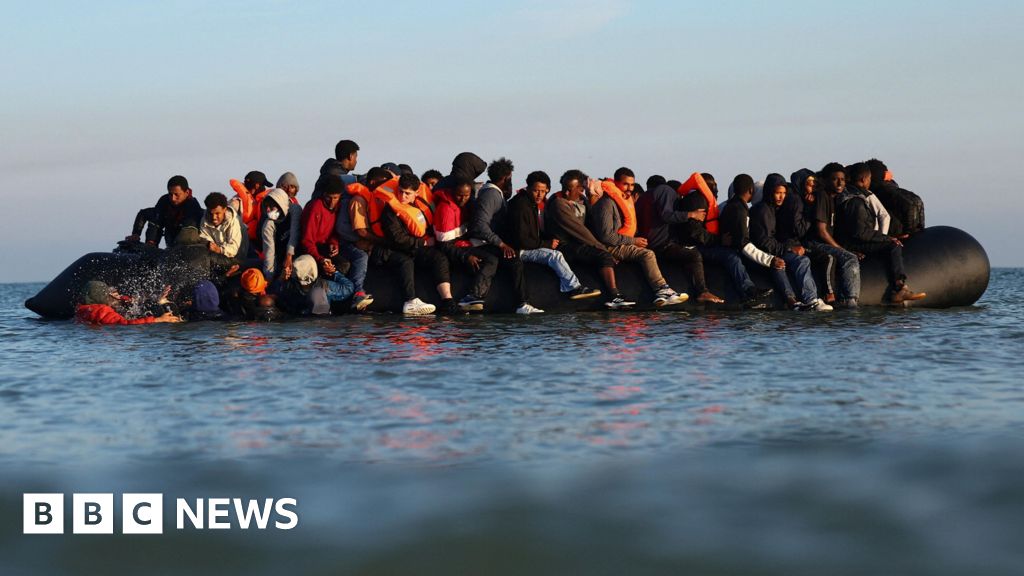

African Nations Unite to Revise Human Rights Treaty Amid Migration Crisis
In a landmark move, African leaders have agreed to overhaul the continent’s primary human rights treaty to better address the escalating challenges posed by modern migration. The decision, reached during a high-level summit in Addis Ababa, Ethiopia, underscores a growing recognition that existing frameworks are ill-equipped to handle the complexities of displacement, asylum seekers, and economic migrants in today’s rapidly changing world.
The African Charter on Human and Peoples’ Rights, adopted in 1981, has long been a cornerstone of the continent’s commitment to protecting fundamental freedoms. However, rising migration pressures—driven by conflict, climate change, and economic disparities—have exposed significant gaps in the treaty’s ability to safeguard the rights of migrants and refugees. The new agreement seeks to modernize the charter by introducing provisions tailored to contemporary realities, including enhanced protections for internally displaced persons and clearer guidelines for host countries.
A Response to Growing Crises
Africa is home to some of the world’s most acute migration crises. According to data from the African Union (AU), over 30 million people on the continent are currently displaced, with millions more crossing borders in search of safety and opportunity. Countries like Sudan, the Democratic Republic of Congo, and Ethiopia have seen mass exoduses due to armed conflict, while nations such as Somalia and Mozambique grapple with displacement caused by extreme weather events. Meanwhile, economic migration across regions like West Africa and the Sahel has surged, driven by unemployment and poverty.
The revised treaty aims to address these challenges by emphasizing the rights of migrants, asylum seekers, and refugees while balancing the responsibilities of host nations. Key proposals include stronger protections against exploitation, improved access to essential services such as healthcare and education, and mechanisms to ensure fair treatment in asylum processes. Additionally, the agreement calls for greater cooperation between African states to manage migration flows more effectively and reduce the burden on individual countries.
A Collaborative Effort
The decision to revise the charter was spearheaded by the African Union Commission, with input from member states, human rights organizations, and civil society groups. AU Commission Chairperson Moussa Faki Mahamat described the agreement as a “historic step forward” in addressing one of the continent’s most pressing issues. “Migration is not a challenge for one country or region alone,” he said. “It is a shared responsibility that requires collective action and solidarity.”
The revision process also drew on expertise from international bodies, including the United Nations High Commissioner for Refugees (UNHCR) and the International Organization for Migration (IOM). These organizations have long advocated for stronger protections for migrants and refugees, particularly in Africa, where legal frameworks often lag behind global standards.
Why This Matters
The push to modernize the African Charter on Human and Peoples’ Rights comes at a critical juncture. As migration continues to reshape societies worldwide, Africa’s ability to manage these flows will have far-reaching implications for its development, stability, and global standing. A stronger legal framework could help reduce the vulnerability of migrants to exploitation, human trafficking, and abuse while fostering greater regional cooperation.
Moreover, the revised treaty could serve as a model for other regions grappling with similar challenges. By taking a proactive approach, Africa is positioning itself as a leader in the global conversation on migration and human rights.
Challenges Ahead
Despite its promise, the agreement faces significant hurdles. Implementing the revised treaty will require substantial political will, resources, and coordination among African states. Some countries may resist adopting stricter obligations, particularly those already struggling with large migrant populations or limited infrastructure.
There are also concerns about enforcement. The African human rights system has historically been criticized for its lack of teeth, with many states failing to comply with rulings from the African Court on Human and Peoples’ Rights. Ensuring the new provisions are not only adopted but also adhered to will be a key test for the AU and its member states.
Looking to the Future
The revision of the African Charter on Human and Peoples’ Rights marks a pivotal moment in the continent’s approach to migration and human rights. If successfully implemented, the updated treaty could transform the lives of millions of migrants and refugees while strengthening Africa’s capacity to manage one of its most complex challenges.
As the continent continues to grapple with the dual forces of displacement and opportunity, the agreement signals a shift toward a more inclusive, rights-based approach. The coming months will be crucial as African leaders work to translate this vision into reality, setting a precedent for the rest of the world to follow.
In a world increasingly defined by movement, Africa’s bold step forward offers a glimmer of hope—and a reminder of the power of collective action in the face of adversity.
