


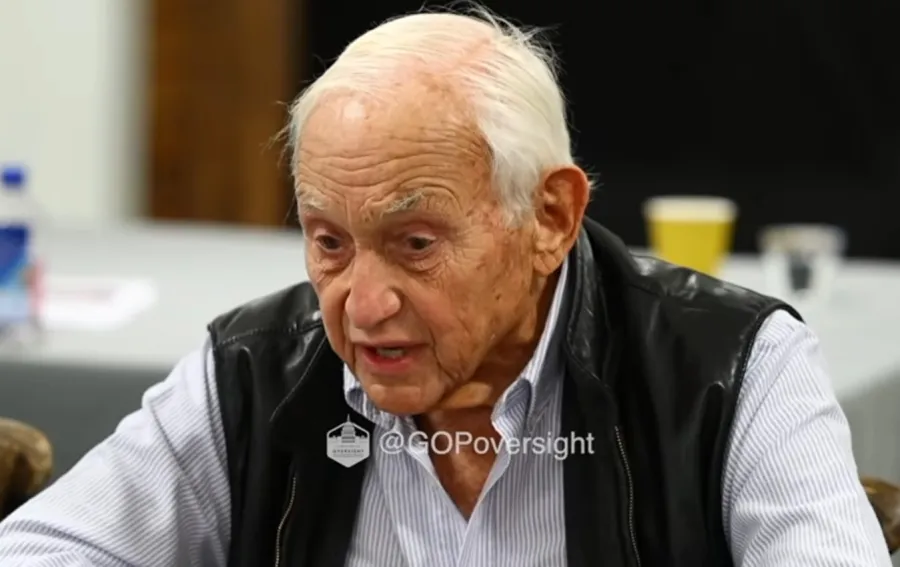

Democrats Question Les Wexner’s Testimony Amid Epstein Scrutiny
In a compelling turn of events, the House Oversight Committee has raised significant questions about the testimony of Les Wexner, the former CEO of L Brands and billionaire philanthropist. As investigators delved deeper into his past relationship with convicted sex offender Jeffrey Epstein, Democrats on the committee expressed concern over the credibility and implications of Wexner’s statements.
Wexner, known for his vast fortune built through brands like Victoria’s Secret, has been under the microscope since allegations surfaced regarding his long-standing association with Epstein, who was convicted of multiple sex crimes and notably died in custody in 2019 while awaiting trial on further charges. The scrutiny of Wexner’s ties to Epstein comes not just from a desire to understand the friendship between the two men, but also to probe the broader implications involving issues of accountability and systemic abuse of power.
During the committee hearing, Wexner characterized his relationship with Epstein as one founded on business dealings that eventually turned personal. He described Epstein as a financial advisor, claiming he was unaware of any illegal activities during their association. However, Democrats on the committee expressed skepticism, suggesting that Wexner may have downplayed or misrepresented the nature of their connection. “There are too many inconsistencies in Wexner’s statements,” stated Representative Jamie Raskin, a Maryland Democrat and member of the House Oversight Committee. “His disavowals ring hollow in light of the overwhelming evidence linking him to Epstein’s operations.”
Contextually, Wexner has long been viewed as an enigmatic figure, wielding considerable influence in both the corporate sector and philanthropic circles. His connection with Epstein lent itself to scrutiny and amplified concerns regarding the ethical obligations of powerful individuals towards victims of abuse. Epstein’s extensive network included a range of prominent figures in various domains, raising further questions about the global elite’s possible complicity in enabling his predatory behavior.
The House Oversight Committee has been actively investigating the Web of connections surrounding Epstein, seeking accountability not only for Epstein himself but also for those individuals who may have inadvertently or deliberately supported his illicit activities. With Wexner’s testimony now being scrutinized, it highlights a broader narrative of elite accountability that extends beyond one man’s actions to challenge the complicity of others who may have willingly turned a blind eye or provided tacit support.
The implications stretch into the realm of legislative oversight and potential reform. Members of the committee have expressed a need for greater transparency from financial institutions and corporations regarding their relationships with alleged offenders, including mandates for reporting suspicious activities. “The issues raised in this testimony are symptomatic of a larger failure in corporate governance,” stated Representative Caroline Maloney of New York, the committee chair. “We simply cannot allow the wealthy and powerful to operate above the law.”
As the investigation unfolds, questions remain about how these hearings might influence both public perception and policy reform in the future. The implications of Wexner’s testimony also extend to discussions surrounding corporate responsibility, particularly regarding how businesses safeguard against potential exploitation by individuals within their network. The potential need for enhanced corporate compliance measures may find more traction in light of the revelations stemming from this testimony.
Furthermore, the Wexner-Epstein saga has ignited calls for renewed discussions surrounding victim advocacy and support. The revelations that emerge from this investigation may serve as a catalyst for both legislative and societal changes, designed not only to hold offenders accountable but also to establish more robust support systems for victims of abuse and exploitation.
In conclusion, the doubts raised by the House Oversight Committee regarding Les Wexner’s testimony are not merely about one man’s credibility; they signify broader societal concerns about the interactions among the rich and influential and their ethical responsibilities toward victims. As the investigation continues, the implications may ripple through corporate governance, victim support systems, and the larger framework of accountability within elite circles. The unfolding narrative serves as a haunting reminder of the persistent issues surrounding power, wealth, and the often unrecognized suffering of those victimized by corruption and negligence.
