


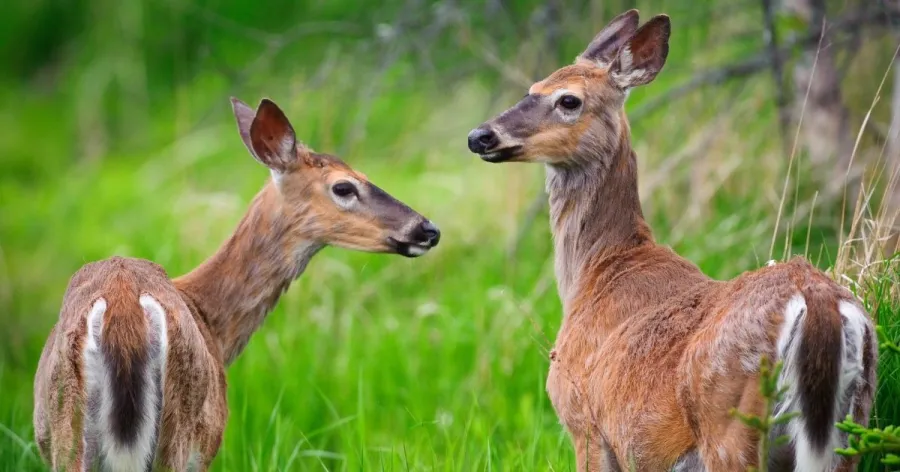

Columbus Hosts Community Discussion on Deer Population Management Amid Growing Concerns
COLUMBUS, Ohio — As the deer population in Clintonville and across central Ohio continues to grow, residents are increasingly voicing concerns over public safety, property damage, and ecological balance. In response, the city of Columbus organized a community conversation on Wednesday, revealing the findings of its recently conducted citywide deer management survey.
The meeting drew a diverse audience of community members, wildlife experts, city officials, and environmental advocates, all eager to engage in a dialogue about the implications of the community’s expanding deer population. While the presence of deer in urban landscapes can often evoke a sense of charm and natural beauty, the realities of overpopulation are becoming significantly more complex.
“Deer have coexisted with humans for generations, but the rising numbers pose real challenges,” said Lauren Turner, a local wildlife biologist who addressed attendees at the gathering. She highlighted the increase in vehicle-deer collisions, which can result in severe injuries or even fatalities. In central Ohio alone, these incidents have surged in recent years, leading to heightened awareness around the need for effective management strategies.
The city’s survey, based on feedback from over 1,500 residents, indicated that while many residents appreciate the aesthetic appeal of local deer, a significant majority recognized the need for some level of population control. Approximately 68% of respondents felt that deer management should be prioritized to mitigate risks to both human safety and local ecosystems, particularly as deer overgrazing can adversely affect forest regeneration and the health of native plant species.
City Council Member Sarah Brown, who represents the Clintonville area, emphasized the importance of community involvement in addressing this issue. “It’s essential that we listen to our residents and work collaboratively to find sustainable solutions. The health of our urban wildlife impacts the quality of life in our neighborhoods,” she stated.
During the meeting, residents participated in breakout sessions, where they discussed their concerns and proposed solutions. Suggestions ranged from implementing controlled hunting seasons to exploring non-lethal methods such as contraceptive interventions for deer. Some community members expressed hesitance toward hunting, highlighting the need for humane and sustainable approaches.
Local conservation groups also attended the event, pushing for a balanced ecosystem that accommodates both deer and the surrounding wildlife. “Reducing the deer population should not come at the expense of other native species,” remarked Emily Rogers, a conservation advocate. She urged fellow residents to consider the broader implications on biodiversity and habitat health.
The state of Ohio has historically managed wildlife populations through regulated hunting, but suburban communities have shown reluctance to adopt these measures fully. As a result, this dialogue in Columbus serves as a pivotal moment, shining a spotlight on the need for innovative deer management strategies that not only cater to public safety concerns but also respect the ecological context.
As discussions continue, residents are hopeful that their input will influence the formulation of a comprehensive deer management plan. Columbus Mayor Andrew Ginther has pledged to prioritize these community voices in light of the survey findings, underscoring that the city intends to prioritize both human safety and wildlife coexistence.
Looking towards the future, Columbus is set to establish a working group that includes residents, wildlife experts, and city officials to develop actionable strategies. The challenge remains to balance public safety with ecological integrity, a task that will require ongoing community dialogue and compromise. As central Ohio grapples with this complex issue, the outcomes of these conversations will likely reverberate beyond the city limits, shaping deer management practices across similar urban environments throughout the region.
In an age where urbanization increasingly encroaches on natural habitats, the stakes are high. Ensuring a healthy balance between human activity and wildlife preservation may well define the character of communities like Clintonville for generations to come.
