


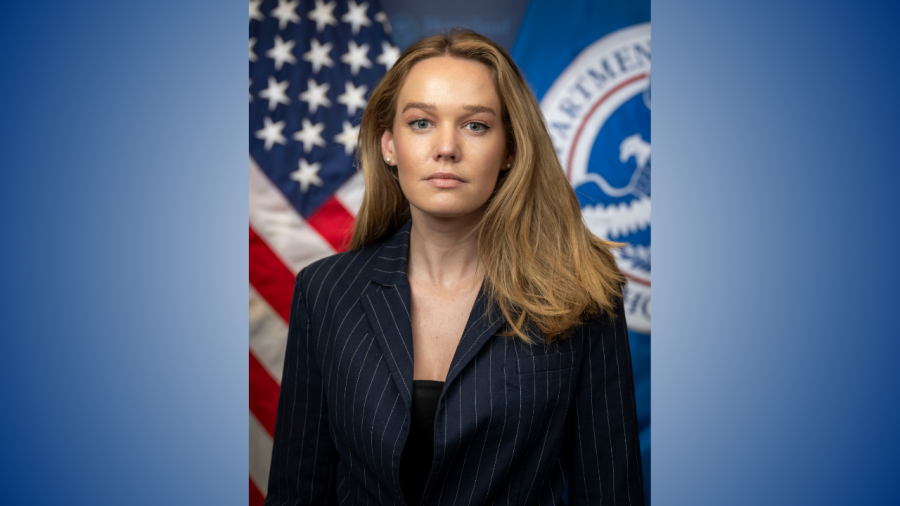

Tricia McLaughlin, Spokeswoman for the Department of Homeland Security, Announces Departure Amid Controversy
COLUMBUS, Ohio — In a surprising move that reverberates through the corridors of national security, Tricia McLaughlin, the spokesperson for the Department of Homeland Security (DHS), is set to leave her position this week. This announcement arrives during an already tumultuous time for the DHS, which is grappling with significant internal challenges and national scrutiny over its mission and tactics, particularly in the wake of recent incidents involving Immigration and Customs Enforcement (ICE) agents.
McLaughlin, an Ohio native, has served as the face of DHS communications, providing guidance and updates on a variety of pressing issues, from border security to counter-terrorism initiatives. Her exit is indicative of the broader turmoil facing the agency as federal funding remains in limbo. Congress is currently embroiled in heated debates over proposed restrictions for immigration enforcement following the controversial actions of ICE agents, which culminated in the fatal shooting of two individuals, Renee Good and Alex Pretti.
The deaths of Good and Pretti, who were reportedly unarmed at the time of the incident, have ignited public outrage and calls for reform within the agency. Advocacy groups argue that such incidents highlight systemic issues in law enforcement practices and raise fundamental questions about the use of deadly force. As a result, critics have increased their pressure on lawmakers to enforce stricter oversight of immigration agencies like ICE, which has long been criticized for its aggressive tactics.
McLaughlin’s resignation comes at a pivotal moment. DHS is under increasing scrutiny from both lawmakers and the public to modernize its operations and adopt policies that could bridge the growing divide between immigration enforcement and civil rights. Her departure suggests a possible shift in DHS leadership’s approach, amid calls for a more measured response to immigration issues.
“The timing of her departure raises questions about the direction in which the DHS is heading, especially as it relates to key policies concerning immigration enforcement,” noted Dr. Linda Harris, a political analyst and expert in immigration law. “McLaughlin’s role was critical during a time when the agency needed strong communication to clarify its stance. Her absence now creates a vacuum at a time of crisis.”
Additionally, the DHS has been dealing with the fallout from a recent federal court ruling that upheld certain limits on the agency’s funding related to immigration enforcement. This ruling has resulted in further challenges for the DHS as it navigates the complexities of federal immigration policy and the diverse opinions of state and local governments affected by such policies.
Homeland Security Secretary Alejandro Mayorkas has emphasized the need for reform. In a recent address, he expressed his commitment to reviewing the agency’s operational practices, particularly those related to ICE and enforcement at the southern border. Yet, the pathway to genuine reform is fraught with political minefields, as Congressional members from both parties have divergent views on the issue.
McLaughlin’s departure also underscores a trend of high turnover within critical government positions that act as spokespeople or decision-makers on contentious issues. Analysts suggest that stability in leadership is essential for effective communication and policy execution, particularly when agencies face intense public scrutiny and political pressure.
The question now is who will fill the role of spokesperson for DHS and whether this new figure will be able to navigate the choppy waters of public perception and policy implementation. The incoming spokesperson will have the daunting task of restoring trust both within the agency and among the public, particularly as it relates to sensitive matters of immigration enforcement.
Looking ahead, the implications of McLaughlin’s departure could extend beyond mere staffing changes. As Congress continues its deliberations on immigration reform and funding responsibilities, the new communication strategy at DHS will likely play a crucial role in shaping public frame of reference towards the agency.
In a climate where immigration policy and law enforcement are polarizing issues, maintaining transparent and effective communication will be vital. The future of the DHS, and by extension the Biden administration’s approach to immigration, hangs in the balance as the agency seeks to redefine its mission and rebuild public trust in the aftermath of tragic events that have cast a shadow on its operations.
