



China’s Spring Festival Travel Rush Shatters Records with Historic Domestic Tourism Surge
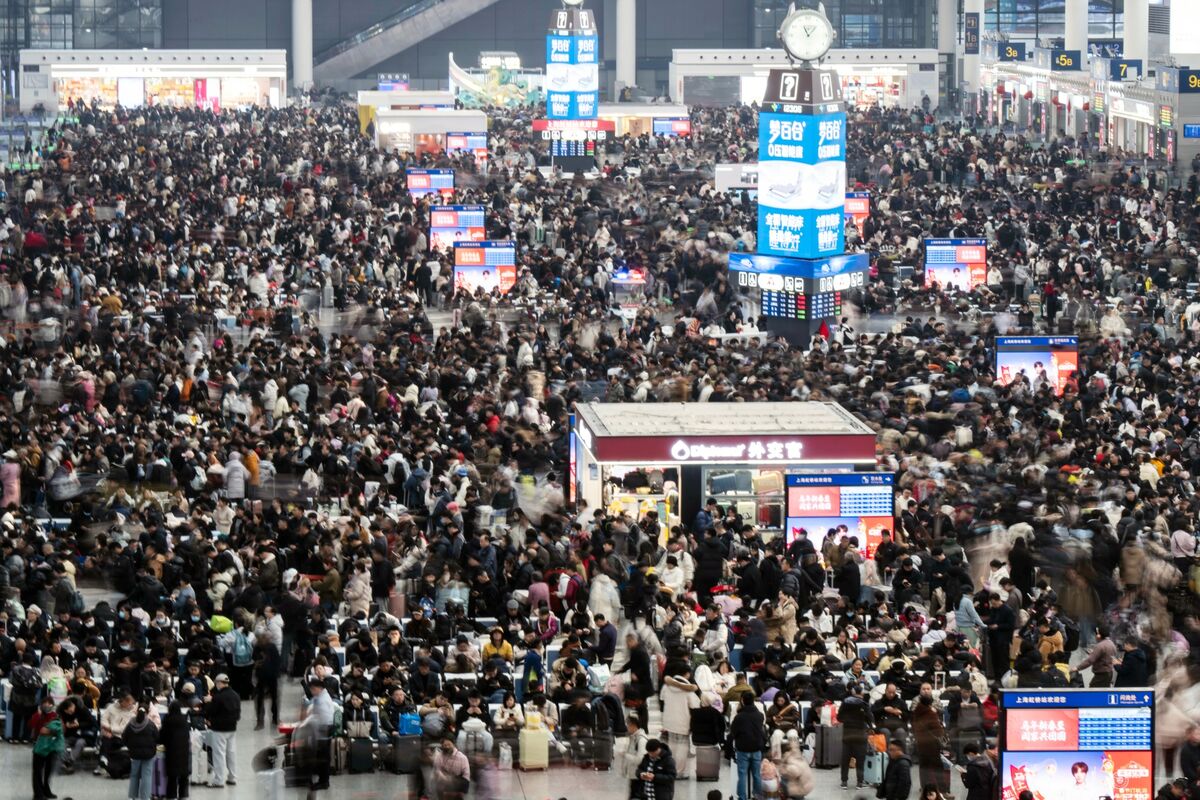
Beijing, China — As the dust settles on the Lunar New Year festivities, China has once again demonstrated its unrelenting capacity for mass movement. The annual Spring Festival travel rush, known as Chunyun, has set new benchmarks this year, with domestic trips skyrocketing to unprecedented levels. According to a report published by Xinhua News Agency on Saturday, Chinese travelers embarked on a staggering number of journeys within the country, eclipsing previous records and underscoring the resilience of China’s tourism sector amid a challenging global economy.
The Spring Festival, often referred to as Chinese New Year, is the most significant holiday in China, a time when families reunite, traditions are honored, and millions embark on journeys back to their hometowns. This year, the travel rush, which officially ran from January 7 to February 15, saw an estimated 2.1 billion domestic trips, a remarkable increase from pre-pandemic levels. The figures highlight not only the enduring cultural importance of the holiday but also the recovery of China’s domestic tourism industry following years of COVID-19 restrictions.
A Cultural Phenomenon: Understanding Chunyun
Chunyun is often described as the largest annual human migration on Earth. Every year, hundreds of millions of Chinese citizens travel vast distances to celebrate the Lunar New Year with their families. The tradition is deeply rooted in Chinese culture, emphasizing family unity and the importance of returning home, no matter the distance.
This year’s record-breaking numbers reflect a pent-up demand for travel after three years of stringent COVID-19 measures. During the height of the pandemic, travel restrictions, mandatory quarantines, and health code requirements significantly curtailed movement within the country. The easing of these measures in late 2022, coupled with the government’s decision to downgrade COVID-19 management, has unleashed a wave of travel enthusiasm.
“The Spring Festival travel rush is more than just a logistical challenge; it’s a testament to the enduring power of tradition,” said Dr. Li Wei, a cultural anthropologist at Peking University. “The fact that so many people are traveling again shows how much this holiday means to the Chinese people.”
Economic Implications: A Boost for Domestic Tourism
The surge in domestic travel has been a boon for China’s economy, particularly for the tourism and hospitality sectors, which have struggled to recover from the pandemic’s financial fallout. Hotels, restaurants, and tourist attractions across the country reported a significant uptick in visitors, with many popular destinations operating at full capacity.
Shanghai Disneyland, for instance, saw its highest attendance in years, while cities like Xi’an, known for its Terracotta Warriors, and Guilin, famed for its limestone karsts, experienced a flood of tourists. The economic ripple effect extended to transportation providers, with airlines, railways, and bus services operating at peak efficiency to accommodate the influx of travelers.
“The Spring Festival rush is a critical driver of economic activity,” noted Chen Ming, an economist at Tsinghua University. “It’s not just about the immediate spending; it’s about restoring confidence in the domestic economy and setting the tone for recovery in the year ahead.”
Challenges and Innovations in Transportation
Managing Chunyun is a monumental task, requiring meticulous planning and coordination. China’s transportation infrastructure, long hailed as one of the world’s most advanced, was put to the test once again. The country’s high-speed rail network, which spans over 42,000 kilometers, played a pivotal role in facilitating mass movement, with trains operating at near-capacity levels.
Air travel also saw a significant rebound, with domestic flights increasing by nearly 30% compared to the previous year. To cope with the demand, airlines added thousands of extra flights, while airports implemented advanced technologies such as facial recognition and AI-driven crowd management systems to streamline passenger processing.
“The sheer scale of Chunyun is a logistical marvel,” said transportation expert Zhang Hui. “China’s ability to handle these volumes efficiently is a testament to its investment in infrastructure and technology.”
Regional Variations and Emerging Trends
While the overall numbers paint a picture of nationwide travel fervor, regional variations reveal interesting trends. Coastal cities like Shenzhen and Guangzhou, home to millions of migrant workers, saw a surge in outbound travel as workers returned to their rural hometowns. Conversely, inland provinces such as Sichuan and Henan experienced a spike in inbound visitors, as urban dwellers reconnected with their roots.
Another notable trend was the rise of “staycations” and short trips to nearby destinations. With concerns over COVID-19 still lingering, many travelers opted for shorter journeys, driving up demand for local tourism experiences. This shift has prompted businesses to innovate, offering tailored packages and experiences to cater to the evolving preferences of domestic tourists.
Looking Ahead: What This Means for China’s Tourism Industry
The record-breaking Chunyun of 2024 marks a turning point for China’s tourism industry. It signals not only the end of pandemic-era restrictions but also the resurgence of consumer confidence and spending power. Analysts predict that the momentum generated during the Spring Festival will carry forward into the year, with domestic tourism expected to remain a key driver of economic growth.
However, challenges remain. The global economic slowdown, coupled with geopolitical tensions, could impact China’s broader recovery efforts. Additionally, the need for sustainable tourism practices has come into sharper focus, as the environmental impact of mass travel continues to draw scrutiny.
“The Spring Festival travel rush is a microcosm of China’s broader economic and cultural landscape,” said economist Wang Jun. “While the numbers are impressive, the real test lies in sustaining this momentum and addressing the underlying challenges.”
Conclusion: A Celebration of Tradition and Resilience
As the Lunar New Year festivities draw to a close, China’s record-breaking Chunyun stands as a powerful symbol of tradition, resilience, and renewal. The millions of journeys taken during this period reflect not only the cultural significance of the Spring Festival but also the nation’s ability to adapt and recover in the face of adversity.
While the road ahead may be fraught with challenges, the 2024 Spring Festival travel rush has reaffirmed the enduring spirit of the Chinese people. As families reunite, cities buzz with activity, and the economy sees a much-needed boost, one thing is clear: the Lunar New Year remains a time of hope, celebration, and unwavering determination. Whether China can sustain this momentum in the months and years to come remains to be seen, but for now, the nation celebrates a historic milestone in its journey toward recovery.
