



The Rise of Refurbished Electronics: A Smart, Sustainable Choice for Consumers
In an era where environmental consciousness and cost savings are increasingly prioritized, refurbished electronics are emerging as a compelling alternative to brand-new devices. Not only do these products offer significant financial savings, but they also play a crucial role in reducing the environmental footprint of consumer electronics. As the global appetite for gadgets continues to grow, experts are urging consumers to consider refurbished options as a way to balance affordability, functionality, and sustainability.
Understanding Refurbished Electronics
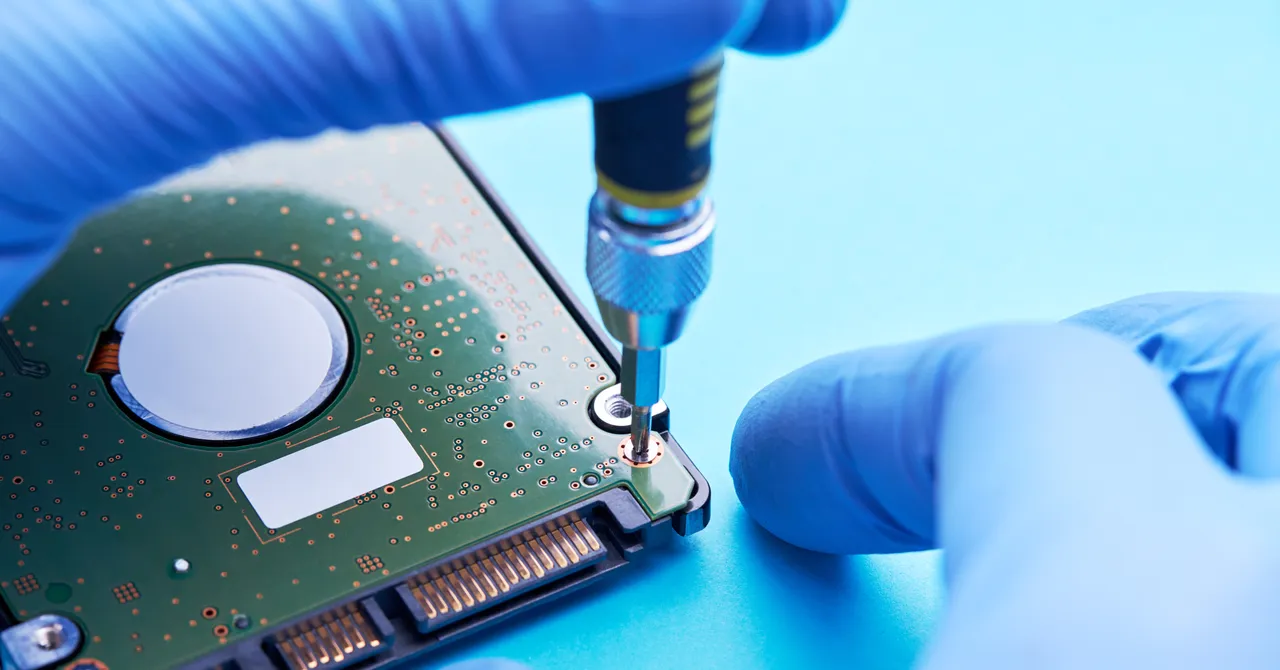
The term “refurbished” can be somewhat ambiguous, as there is no universal legal definition. Retailers and manufacturers often use a variety of terms—such as “pre-loved,” “reconditioned,” or “secondhand”—to describe products that have been previously owned or used. Refurbishment typically implies that a device has been tested, repaired, and cleaned to meet specific standards. However, the extent of refurbishment can vary widely depending on the seller.
At the higher end of the spectrum, consumers might find “open-box” items—products that were returned unused, often with minimal signs of wear. On the other end, some refurbished devices may show visible wear and tear, though they should still function properly. The key for buyers is to scrutinize the details provided by the seller to understand what “refurbished” truly means in each case.
The Environmental and Financial Benefits
The environmental impact of electronics is heavily concentrated in the manufacturing phase, which involves resource extraction, energy consumption, and greenhouse gas emissions. By choosing refurbished devices, consumers can help reduce these impacts, extending the lifecycle of existing products and minimizing electronic waste. According to studies, buying a refurbished smartphone, for example, can reduce its carbon footprint by up to 80% compared to purchasing a new one.
Financially, refurbished electronics often come with substantial discounts. For instance, Apple offers up to 15% off its refurbished products, while Dell’s refurbished laptops can be discounted by as much as 50%. These savings make high-quality devices more accessible to a broader audience, allowing consumers to purchase premium models that might otherwise be out of reach.
Tips for Buying Refurbished Electronics
While refurbished electronics offer numerous benefits, buyers must approach their purchases with caution to ensure they get a reliable product. Here are some critical considerations:
-
Software Updates and Compatibility
- How many more years of software updates will the device receive?
- Is it still eligible for security updates?
- What version of the operating system does it come with?
-
Device Condition
Has the device been thoroughly tested and certified?
Is the battery in good condition or replaced with a new one?
Are there any cosmetic imperfections, such as scratches or dents? -
Inclusions and Warranties
What accessories are included (e.g., chargers, cables, manuals)?
Is there a warranty, and how long does it last?
What is the seller’s return policy, and who covers return shipping costs? -
Reputation of the Seller
Buyers should prioritize reputable sellers, such as the original manufacturers or certified refurbishers. Companies like Apple, Dell, and Samsung often refurbish their own products, ensuring they meet stringent quality standards. Independent refurbishers can also be trustworthy, provided they offer clear grading systems and robust warranties.
Financial Protections for Buyers
When purchasing refurbished electronics, it’s wise to use a credit card to take advantage of charge-back protections in case of disputes. In the U.S., the Fair Credit Billing Act (Section 170) offers certain safeguards, while U.K. consumers benefit from Section 75 protections. These regulations can provide recourse if a product arrives in unsatisfactory condition or fails to meet the seller’s description.
Additionally, buyers should thoroughly inspect and test their devices upon receipt. Keeping the original packaging until the return window closes is also recommended, as it simplifies the return process if issues arise.
Best Places to Buy Refurbished Electronics
The market for refurbished electronics is vast, with numerous options available to consumers. Here are some of the top sources:
-
Manufacturer Refurbished Programs
Many tech giants, including Apple, Dell, and Samsung, operate official refurbishment programs. These products often come with warranties and are rigorously tested, making them a reliable choice. -
Certified Refurbishers
Independent companies specialize in refurbishing electronics and often provide detailed grading systems to indicate the condition of each device. Back Market and Gazelle are popular examples. -
Retailer Refurbished Sections
Major retailers like Amazon and Best Buy offer refurbished sections, where consumers can find discounted products backed by return policies. -
Local Marketplaces
Platforms like eBay or Craigslist can be sources of refurbished electronics, though buyers should exercise extra caution and verify seller credibility.
The Future of Refurbished Electronics
As global awareness of environmental issues grows, the refurbished electronics market is poised for significant expansion. Industry analysts predict that the sector will continue to grow as consumers seek sustainable and cost-effective alternatives to new devices. Manufacturers are also increasingly investing in refurbishment programs, recognizing the demand for eco-friendly options.
While refurbished electronics are not without risks, informed consumers can mitigate these by asking the right questions, choosing reputable sellers, and leveraging financial protections. For those willing to do their homework, refurbished devices offer a win-win solution—saving money while contributing to a more sustainable planet.
In the end, the choice between refurbished and new electronics is a personal one, but the potential benefits of going refurbished are hard to ignore. As technology continues to evolve, so too does the opportunity to make smarter, greener purchasing decisions.
