


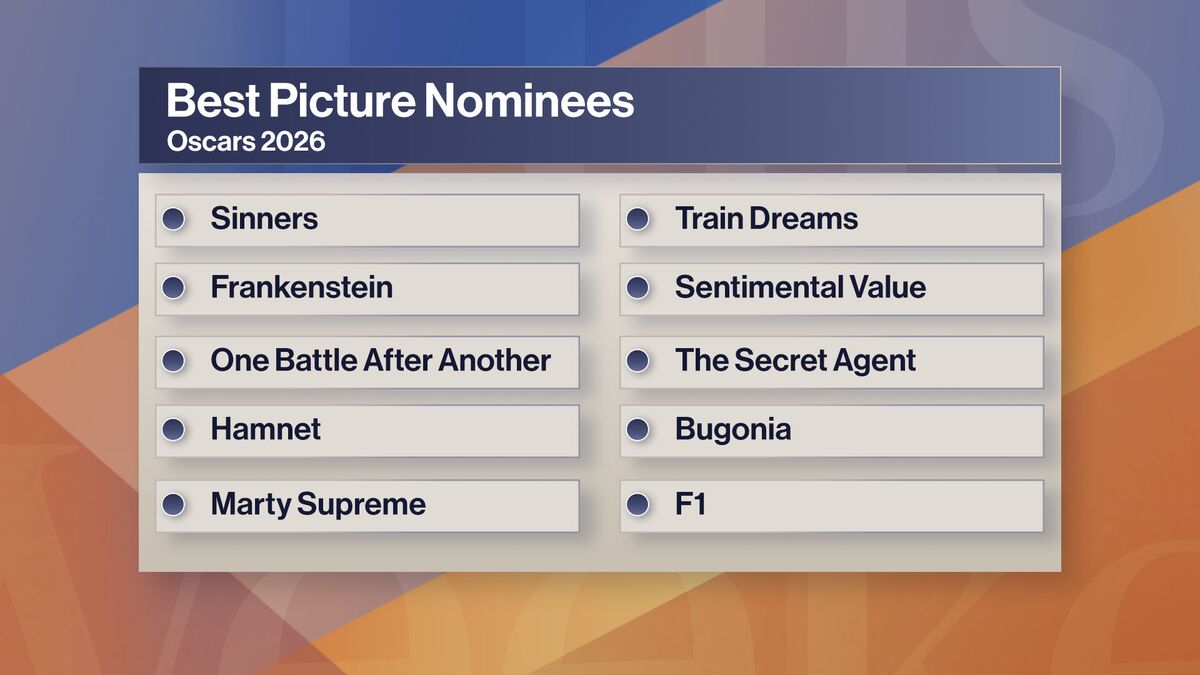

Hollywood’s Biggest Night: A Preview of the 96th Academy Awards
By [Your Name]
As the red carpet unfurls and the stars descend upon the Dolby Theatre in Los Angeles, the 96th Academy Awards promises to be a night of glitz, glamour, and high-stakes competition. This year’s Oscars ceremony, set to air live on March 10, 2024, is not just a celebration of cinematic excellence but also a reflection of the evolving landscape of global storytelling. With a mix of seasoned auteurs, breakout performances, and groundbreaking narratives, the 2024 Oscars could redefine what it means to win big in Hollywood.
The ceremony, hosted by veteran comedian Jimmy Kimmel for the fifth time, comes at a pivotal moment for the film industry. After years of uncertainty—exacerbated by the COVID-19 pandemic, the rise of streaming platforms, and labor strikes—the Oscars are eager to reclaim their status as the pinnacle of entertainment awards. This year’s nominees reflect a diverse array of voices and genres, from epic historical dramas to intimate character studies, ensuring that the competition will be as fierce as ever.
The Front-Runners: A Battle of Titans
Leading the pack with 13 nominations is Oppenheimer, Christopher Nolan’s sprawling biopic about the father of the atomic bomb. The film, which has already swept major awards this season, including the Golden Globes and BAFTAs, is widely expected to dominate the Oscars. Nolan, a perennial favorite among critics, has yet to win Best Director or Best Picture, making Oppenheimer a potential crowning achievement for the British filmmaker. Cillian Murphy’s transformative portrayal of J. Robert Oppenheimer has also made him the front-runner for Best Actor, though stiff competition awaits.
Not far behind is Poor Things, Yorgos Lanthimos’s surreal and darkly comedic exploration of identity and autonomy. With 11 nominations, including Best Picture, Best Director, and Best Actress for Emma Stone, the film has captivated audiences with its bold visuals and provocative themes. Stone’s performance as Bella Baxter, a woman resurrected through bizarre science, has been hailed as a career-defining moment, putting her in a strong position to win her second Oscar.
Another heavyweight is Martin Scorsese’s Killers of the Flower Moon, a harrowing tale of greed and betrayal in 1920s Oklahoma. With 10 nominations, including Best Picture and Best Director, the film has been praised for its meticulous storytelling and powerhouse performances. Lily Gladstone, who portrays Mollie Burkhart, a member of the Osage Nation, could make history as the first Native American woman to win Best Actress.
Breakthroughs and Surprises
While the major categories are dominated by established filmmakers, this year’s Oscars also spotlight emerging talent. Cord Jefferson’s American Fiction, a sharp satire on race and identity, has garnered critical acclaim and five nominations, including Best Picture. Jefferson, a first-time director, has already won acclaim for his ability to blend humor with incisive social commentary.
Da’Vine Joy Randolph, nominated for Best Supporting Actress for her role in The Holdovers, is widely regarded as a lock for the award. Her portrayal of a grieving mother in Alexander Payne’s heartwarming drama has been described as both heartbreaking and uplifting, solidifying her as one of Hollywood’s most versatile actors.
In the Best International Feature category, Jonathan Glazer’s The Zone of Interest, a haunting exploration of the Holocaust, has emerged as a front-runner. The film, which also earned a Best Picture nomination, has been lauded for its innovative storytelling and moral complexity. Similarly, 20 Days in Mariupol, a harrowing documentary about the early days of Russia’s invasion of Ukraine, is poised to win Best Documentary Feature, highlighting the Oscars’ role in amplifying global voices.
The Streaming Question: A New Era of Cinema
This year’s nominations also underscore the growing influence of streaming platforms in the film industry. Netflix, for instance, has secured 18 nominations across various categories, with Maestro, Bradley Cooper’s biographical drama about Leonard Bernstein, earning seven nods. Apple Original Films’ Killers of the Flower Moon further cements the tech giant’s commitment to high-quality storytelling.
The rise of streaming has sparked debates about the future of cinema and the Oscars’ relevance in an era dominated by digital consumption. While traditional studios still dominate the Best Picture category, streaming platforms are increasingly producing films that resonate with both critics and audiences, blurring the lines between theatrical releases and home viewing.
The Impact of Labor Strikes
The 2024 Oscars also mark the first major awards ceremony since the end of the dual strikes by the Writers Guild of America (WGA) and the Screen Actors Guild‐American Federation of Television and Radio Artists (SAG-AFTRA). The strikes, which lasted for months, disrupted production schedules and delayed several high-profile releases. The industry’s recovery has been slow, but the Oscars offer a chance to celebrate the resilience and creativity of filmmakers and actors who navigated these challenges.
The strikes also brought issues such as fair compensation, artificial intelligence, and diversity to the forefront of industry conversations. This year’s nominees reflect a broader push for inclusivity, with films like Barbie and Past Lives exploring themes of gender, identity, and cultural heritage.
A Night of Uncertainty and Excitement
While predictions abound, the Oscars are known for their unpredictability. Categories like Best Actor and Best Original Screenplay remain highly competitive, with potential upsets that could surprise audiences. Paul Giamatti’s nuanced performance in The Holdovers could edge out Cillian Murphy, while Sandra Hüller’s dual nominations for Anatomy of a Fall and The Zone of Interest make her a dark horse in the Best Actress race.
The Oscars also serve as a cultural barometer, reflecting the issues and stories that resonate with audiences. This year’s nominees tackle topics ranging from climate change to political corruption, reminding viewers of cinema’s power to provoke thought and inspire change.
Conclusion
As Hollywood gathers for its most prestigious night, the 96th Academy Awards promise to be a celebration of artistic achievement and a testament to the enduring power of storytelling. Whether Oppenheimer sweeps the major awards or underdogs triumph, the Oscars will once again remind us why cinema continues to captivate audiences around the world. In a rapidly changing industry, the Oscars remain a beacon of excellence, honoring the artistry and ambition that define the magic of movies.
