


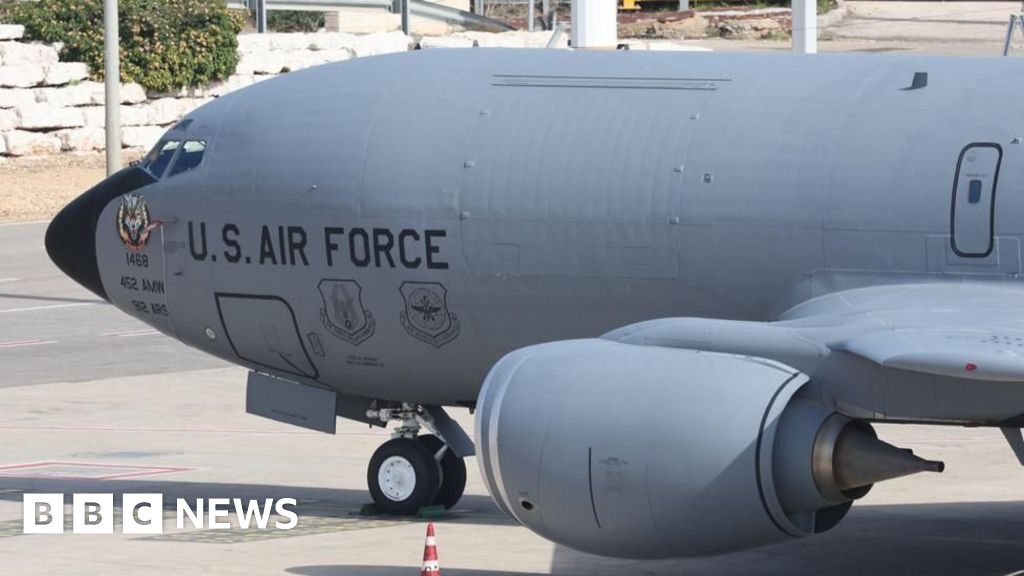

Tragedy Strikes: US Military Aircraft Crash Claims Six Lives, Raising Questions About Global Military Readiness
In a devastating incident that has sent shockwaves through military circles, the Pentagon confirmed the deaths of six crew members aboard a KC-135 Stratotanker aircraft. The crash, which occurred during a routine mission, highlights the inherent risks faced by military personnel and raises critical questions about the operational safety of aging fleets in an increasingly volatile global security landscape. The victims—John Klinner, 33, from Alabama; Ariana Savino, 31, from Washington; Ashley Pruitt, 34, from Kentucky; Seth Koval, 38, from Indiana; Curtis Angst, 30, from Ohio; and Tyler Simmons, 28, also from Ohio—were all highly trained professionals dedicated to maintaining the United States’ strategic airlift capabilities.
The KC-135 Stratotanker, a military refueling aircraft, plays a pivotal role in sustaining US and allied operations worldwide. Its loss underscores the fragility of military logistics, especially as global tensions rise in hotspots like Eastern Europe, the Middle East, and the Indo-Pacific region.
The Incident: What We Know So Far
The KC-135 Stratotanker crashed during what has been described as a routine training mission. While the exact cause of the accident remains under investigation, preliminary reports suggest mechanical failure or adverse weather conditions may have played a role. The Pentagon has not disclosed the specific location of the crash, but such incidents typically occur near military bases or designated training areas.
The KC-135, first introduced in the 1950s, is a workhorse of the US Air Force’s aerial refueling fleet. Despite periodic upgrades, its advanced age has sparked concerns among military analysts about its reliability. This crash is not an isolated event; similar incidents have occurred in recent years, raising alarms about the sustainability of aging military hardware.
Global Context: The Role of Air Refueling in Modern Warfare
Airborne refueling is a cornerstone of modern military operations, enabling aircraft to extend their range, loiter time, and operational flexibility. The KC-135 Stratotanker, for instance, has been instrumental in supporting US missions in Afghanistan, Iraq, Syria, and NATO operations in Eastern Europe. Its ability to refuel fighter jets, bombers, and reconnaissance aircraft in mid-air is critical for maintaining a rapid response capability.
In a world where geopolitical tensions are escalating, the reliability of such assets is paramount. The ongoing conflict in Ukraine, for example, has seen NATO relying heavily on air refueling to support its surveillance and logistics missions in Eastern Europe. Similarly, in the Indo-Pacific region, the US military’s ability to project power against potential threats from China hinges on the seamless operation of its aerial refueling fleet.
Why This Matters: A Global Security Perspective
The loss of the KC-135 and its crew is not just a national tragedy; it has global implications. The US military’s ability to maintain strategic airlift and refueling capabilities directly impacts its capacity to respond to international crises. In an era marked by great power competition, any disruption to military logistics can embolden adversaries and undermine alliances.
Moreover, the incident highlights the urgent need for investment in next-generation military technology. While the US has begun replacing its KC-135 fleet with the more advanced KC-46 Pegasus, the transition has been fraught with delays and technical challenges. This crash serves as a stark reminder that relying on aging equipment carries significant risks, not only to personnel but also to mission success.
The Human Cost: Remembering the Fallen
Behind the headlines and geopolitical implications are the lives lost and the families left behind. The six crew members aboard the KC-135 were more than just names on a list; they were individuals with dreams, aspirations, and loved ones.
John Klinner, a 33-year-old from Alabama, was known for his dedication to his family and his passion for serving his country. Ariana Savino, 31, from Washington, had recently been promoted and was celebrated for her leadership skills. Ashley Pruitt, a 34-year-old mother of two from Kentucky, was described as a true patriot who balanced her military career with her role as a parent. Seth Koval, 38, from Indiana, was a seasoned veteran with multiple deployments under his belt. Curtis Angst, 30, and Tyler Simmons, 28, both from Ohio, were admired for their technical expertise and camaraderie.
Their loss is a poignant reminder of the sacrifices made by military personnel every day.
Looking Ahead: A Call for Action
As the Pentagon investigates the crash, the incident should serve as a catalyst for policymakers to address the challenges facing the US military’s aging fleet. Investing in modernization, improving maintenance protocols, and accelerating the adoption of next-generation technology are essential steps to ensure the safety of personnel and the effectiveness of operations.
Globally, this tragedy underscores the interconnectedness of military readiness and international security. In an increasingly unpredictable world, the reliability of logistical support systems like the KC-135 can mean the difference between de-escalation and catastrophe.
Closing Thoughts: A Stark Reminder of the Risks of Military Service
The crash of the KC-135 Stratotanker is a somber reminder of the dangers faced by those who serve in the military. It is also a wake-up call for nations to prioritize the modernization of their armed forces in an era of growing global instability. As the world mourns the loss of these six brave individuals, their sacrifice should inspire a renewed commitment to safeguarding the lives of those who defend global peace and security.
