



Israel-Hezbollah Conflict Escalates: Nabatieh Under Siege Amid Rising Tensions
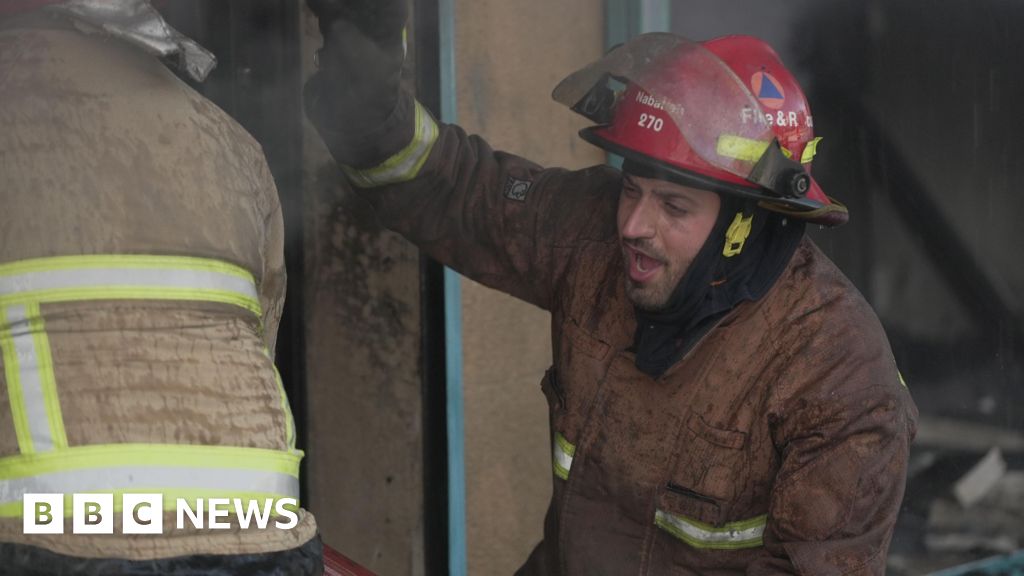
NABATIEH, LEBANON — The skies above Nabatieh roared with the deafening thunder of Israeli airstrikes as plumes of smoke spiraled into the dusk, casting a grim shadow over the southern Lebanese city. For residents, the relentless bombardment has become a harrowing routine—a stark reminder of the escalating conflict between Israel and Hezbollah. The BBC’s on-the-ground report from Nabatieh reveals the devastating human cost of this renewed violence, underscoring the fragile state of regional security and the growing risk of a wider conflagration.
The Conflict in Context
The current hostilities mark a dangerous escalation in the decades-long conflict between Israel and Hezbollah, the Iran-backed militant group entrenched in southern Lebanon. Tensions have simmered since the 2006 Lebanon War, but recent months have seen a sharp uptick in cross-border attacks. The backdrop to this escalation is multifaceted: Israel’s heightened military posture in response to Hezbollah’s growing arsenal, Iran’s strategic influence in the region, and the spillover effects of the ongoing Gaza conflict.
Hezbollah, designated as a terrorist organization by Israel, the United States, and the European Union, has long positioned itself as a bulwark against Israeli aggression. Israel, meanwhile, views Hezbollah as a direct threat to its national security, citing the group’s rocket capabilities and its proximity to the northern border. The latest round of hostilities began with tit-for-tat strikes, but the intensity and frequency of attacks have surged, raising fears of a full-scale war.
Nabatieh: A City Under Fire
Nabatieh, a city located approximately 20 kilometers north of the Israeli border, has borne the brunt of Israel’s aerial campaign. The BBC’s team on the ground documented scenes of devastation: shattered buildings, cratered streets, and distraught civilians scrambling to salvage belongings from the wreckage. Local hospitals, already strained by Lebanon’s economic crisis, are struggling to cope with the influx of casualties.
One resident, a mother of three, described the terror of living under constant bombardment. “We don’t know when or where the next strike will hit,” she said, her voice trembling. “We sleep in fear, and we wake up to destruction.” Such accounts paint a grim picture of life on the frontlines of this conflict, where civilians are caught in the crossfire of a battle they neither started nor control.
Global Implications
The escalation in Lebanon is not merely a localized conflict—it has far-reaching implications for global security and stability. The Middle East is already a tinderbox, with multiple flashpoints stretching from Yemen to Syria. A full-blown war between Israel and Hezbollah could ignite a broader regional crisis, drawing in Iran, its regional allies, and potentially even global powers.
The United States, Israel’s staunchest ally, has been closely monitoring the situation, urging restraint while reaffirming its commitment to Israel’s security. However, Iran’s involvement adds a layer of complexity. Tehran’s support for Hezbollah is part of its broader strategy to project influence across the region, challenging both Israel and Western interests. This geopolitical chess game risks entangling major powers in a conflict that could destabilize global energy markets and exacerbate existing tensions.
Moreover, the humanitarian toll of this conflict cannot be overstated. Lebanon, already grappling with a crippling economic crisis and a political vacuum, is ill-equipped to handle another war. The displacement of civilians, the destruction of infrastructure, and the strain on resources could deepen the country’s woes, creating a humanitarian disaster with ripple effects across the region.
Why It Matters
The Israel-Hezbollah conflict is a microcosm of the broader challenges facing the Middle East: the interplay between state and non-state actors, the enduring Israeli-Palestinian conflict, and the geopolitical rivalry between Iran and its adversaries. For the international community, the stakes are high. A protracted war could disrupt global energy supplies, trigger mass migration, and undermine efforts to broker peace in the region.
Furthermore, the conflict underscores the urgent need for diplomatic engagement. Without dialogue, the cycle of violence will continue, with devastating consequences for civilians and regional stability. The international community must press both sides to de-escalate and seek a negotiated solution, however fraught the path may be.
Conclusion: A Fragile Peace Hangs in the Balance
As the bombs continue to fall on Nabatieh, the world watches with bated breath. The escalation between Israel and Hezbollah is more than a regional conflict—it is a test of the international community’s ability to prevent war and protect innocent lives. The human cost of this violence is stark, a reminder of the toll exacted by political miscalculation and geopolitical brinkmanship.
The road to peace is fraught with challenges, but the alternative—a full-scale war—is unthinkable. As the Middle East teeters on the edge of chaos, the imperative for dialogue, restraint, and international cooperation has never been clearer. The people of Nabatieh, and countless others caught in the crossfire, deserve nothing less.
