



Japan Releases Strategic Oil Reserves Amid Middle East Turmoil, Raising Concerns Over Global Energy Security
Tokyo, [Current Date] — In a unprecedented move signaling heightened concerns over global energy security, Japan has begun releasing crude oil from its strategic reserves. The decision comes as the intensifying conflict in the Middle East disrupts oil supplies, threatening to destabilize global markets and squeeze energy-dependent economies worldwide. This marks one of the first significant actions by a major economy to mitigate the fallout from the escalating crisis, underscoring the far-reaching implications of the region’s turmoil on global energy dynamics.
A Crisis Unfolds in the Middle East
The Middle East, responsible for nearly a third of the world’s oil production, has been gripped by escalating violence and political instability in recent weeks. The conflict, which began as a localized dispute, has rapidly expanded into a broader regional confrontation, drawing in major powers and threatening critical oil infrastructure. Key pipelines and shipping routes have been targeted, causing disruptions in the supply chain and sending shockwaves through global markets.
For Japan, a nation heavily reliant on imported energy, the situation is particularly dire. The country imports over 90% of its oil, with a significant portion sourced from the Middle East. Any prolonged disruption in the region could have severe economic repercussions, threatening everything from industrial production to household energy costs. Against this backdrop, the Japanese government’s decision to tap into its strategic reserves is a preemptive measure aimed at cushioning the nation from potential shocks.
Japan’s Strategic Reserves: A Buffer Against Uncertainty
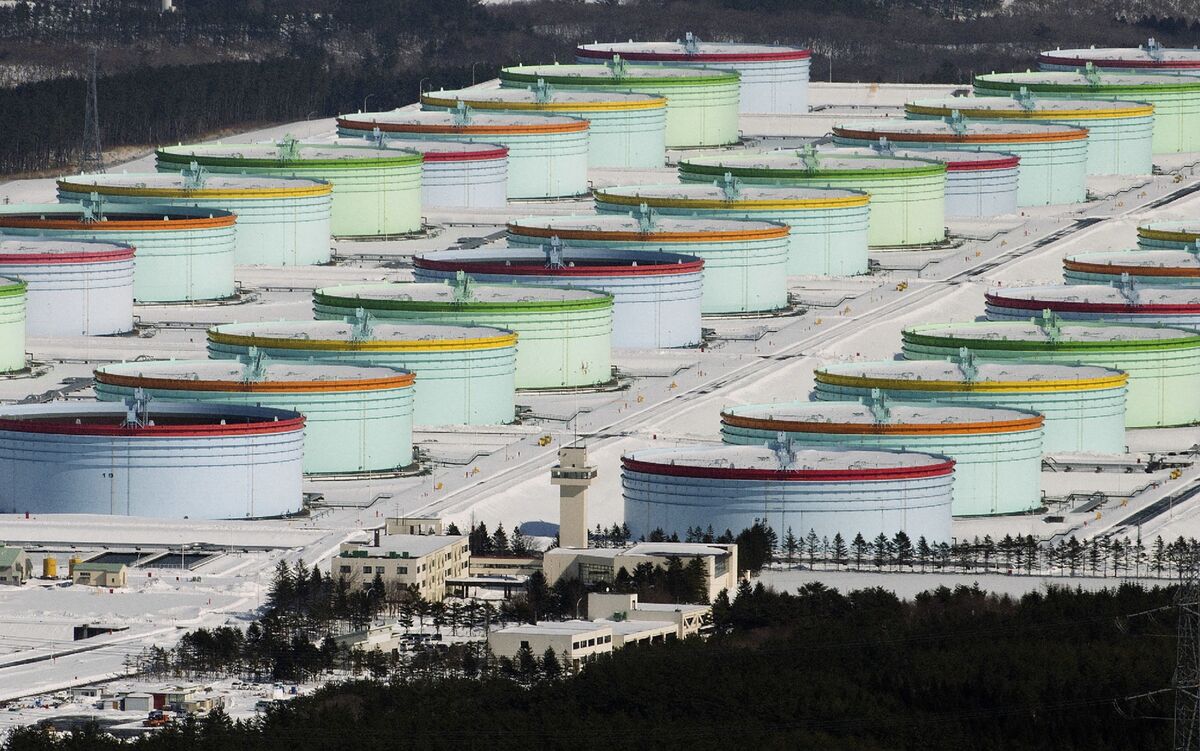
Japan’s strategic oil reserves, established in the wake of the 1970s oil crises, are among the largest in the world. Managed by the Ministry of Economy, Trade, and Industry (METI), these reserves are designed to provide a safety net during periods of supply disruption or geopolitical instability. The country currently holds approximately 500 million barrels of crude, enough to meet domestic demand for several months.
The release of oil from these reserves is a rare and carefully calculated move. Historically, Japan has tapped into its reserves only in exceptional circumstances, such as the aftermath of natural disasters or during global supply shortages. This latest decision reflects the gravity of the situation and underscores the Japanese government’s commitment to safeguarding its energy security.
Global Implications: A Fragile Energy Market
Japan’s action is likely to have ripple effects across the global energy market. Crude oil prices, which have already surged by over 15% since the conflict began, remain volatile. Analysts warn that further disruptions in the Middle East could push prices even higher, exacerbating inflationary pressures and slowing economic recovery in energy-importing nations.
The International Energy Agency (IEA), which coordinates emergency oil stock releases among its member countries, has yet to issue a joint response. However, Japan’s unilateral move could prompt other nations to follow suit. The United States, China, and European Union members, all of which maintain substantial strategic reserves, may soon face pressure to act in order to stabilize markets and reassure consumers.
Economic and Political Challenges Ahead
While the release of strategic reserves may provide temporary relief, it is not a long-term solution to the underlying crisis. The Middle East’s instability remains deeply entrenched, with no clear resolution in sight. Diplomatic efforts to mediate the conflict have so far yielded limited results, leaving the region’s oil-producing nations vulnerable to further disruptions.
For Japan, the situation presents both economic and political challenges. The country’s reliance on imported energy has long been a vulnerability, prompting previous administrations to pursue diversification and renewable energy initiatives. However, progress has been slow, and the current crisis highlights the urgent need for accelerated action.
Prime Minister Fumio Kishida, speaking at a press conference in Tokyo, emphasized the government’s commitment to ensuring energy security while acknowledging the broader challenges. “We are taking decisive steps to protect our economy and our citizens,” he said. “But the global energy landscape is changing, and we must adapt to these new realities.”
A Call for Global Cooperation
The unfolding crisis has reignited calls for greater international cooperation on energy security. Experts argue that a coordinated response, involving both oil-producing and consuming nations, is essential to prevent further destabilization. Such efforts could include diplomatic initiatives to de-escalate the Middle East conflict, as well as investments in alternative energy sources and infrastructure.
“This is not just a problem for Japan or the Middle East,” said Dr. Emily Tanaka, a Tokyo-based energy analyst. “It’s a global issue that requires a global solution. The world cannot afford to ignore the interconnected nature of energy security.”
Balancing Stability and Sustainability
As Japan navigates this latest crisis, it must also grapple with the broader transition to a more sustainable energy future. The country has set ambitious targets for reducing greenhouse gas emissions and increasing renewable energy capacity, but achieving these goals while maintaining energy security will require careful balancing.
The release of strategic reserves, while necessary in the short term, underscores the challenges of relying on finite resources in an increasingly uncertain world. As governments and industries face mounting pressure to address both immediate crises and long-term sustainability, the path forward remains fraught with complexity.
Conclusion
Japan’s decision to release oil from its strategic reserves marks a significant step in mitigating the immediate impact of the Middle East crisis on global energy markets. However, it also highlights the fragility of the world’s energy system and the urgent need for coordinated action. As nations grapple with the dual challenges of ensuring energy security and advancing sustainability, the path ahead will require both resilience and innovation. In the words of one analyst, “The world is at a crossroads. How we respond today will shape our energy future for decades to come.”
