


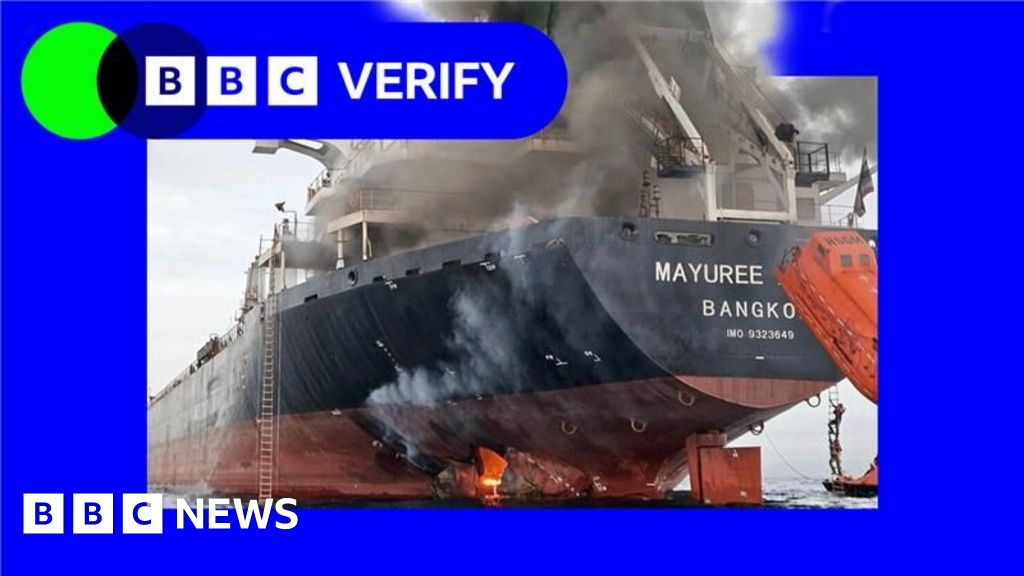

Escalating Maritime Attacks in the Gulf Heighten Global Security Concerns
Dramatic Surge in Attacks Threatens Vital Shipping Routes
In a stark escalation of maritime violence, six commercial vessels have been attacked in the Gulf within just 48 hours, according to verified reports. This alarming spike brings the total number of ships targeted since the outbreak of war to 18, raising urgent questions about the security of one of the world’s most critical trade arteries. The attacks—unclaimed but widely attributed to regional militant groups—have sent shockwaves through global shipping markets, threatening to disrupt oil supplies and inflame geopolitical tensions.
As the conflict intensifies, the Gulf’s strategic waterways, including the Strait of Hormuz, are becoming increasingly perilous. Nearly a third of the world’s seaborne oil passes through this narrow chokepoint, meaning any sustained disruption could trigger economic repercussions far beyond the Middle East. With no immediate resolution in sight, governments and corporations are scrambling to reassess security protocols, while insurers warn of skyrocketing risk premiums that could further destabilize global trade.
Who is Behind the Attacks?
While no group has formally claimed responsibility, analysts point to a pattern of hostilities linked to Iran-aligned factions. These groups have historically used asymmetric maritime tactics to pressure Western powers and regional rivals. The latest assaults—involving explosives-laden drones and fast-attack boats—mirror previous operations by Yemen’s Houthi rebels, who have repeatedly targeted shipping lanes in solidarity with Palestinian factions.
However, the absence of clear attribution complicates diplomatic responses. The U.S. and UK have accused Tehran of enabling the attacks, while Iran denies involvement. This ambiguity fuels fears of a broader proxy war spilling into international waters, where missteps could escalate into direct confrontation.
Global Economic Fallout Looms
The immediate impact is already being felt. Oil prices surged nearly 4% following the attacks, reflecting market jitters over potential supply bottlenecks. Shipping giants like Maersk and MSC have begun rerouting vessels around Africa’s Cape of Good Hope—a costly detour adding weeks to delivery times and millions in extra fuel costs.
The ripple effects extend beyond energy:
- Insurance premiums for Gulf-bound ships have tripled in some cases, squeezing profit margins for exporters.
- Consumer goods from Asia to Europe face delays, threatening post-pandemic supply chain recoveries.
- Global inflation, already a concern, could worsen if disruptions persist.
“This isn’t just a regional issue—it’s a throttle on the global economy,” said a Lloyd’s of London analyst. “Every day these routes remain unsafe, the cost of goods rises.”
Why This Matters Beyond the Middle East
The Gulf’s waterways are the lifeline of international commerce. Over 20 million barrels of oil transit the Strait of Hormuz daily, supplying energy to industrial powerhouses like China, India, and Europe. A prolonged crisis could force nations to tap strategic reserves, destabilizing energy markets already strained by the Ukraine war and OPEC+ production cuts.
Security experts warn that unchecked attacks could embolden non-state actors elsewhere, from the South China Sea to the Gulf of Guinea. “If piracy and sabotage go unpunished here, copycats will follow,” said a NATO maritime strategist. “The rules of safe passage are at stake.”
Diplomatic Efforts Stall as Risks Mount
Despite emergency UN discussions, consensus on a response remains elusive. The U.S. has bolstered naval patrols, while China and Russia call for “restraint”—a divide that hampers coordinated action. Meanwhile, regional powers like Saudi Arabia and the UAE walk a tightrope, balancing oil exports with the need to avoid direct conflict.
Humanitarian concerns also grow. Crews from India, the Philippines, and Eastern Europe—who form the backbone of commercial shipping—face heightened dangers. “We’re sitting ducks,” one Ukrainian engineer aboard a targeted tanker told the BBC. “No one knows when the next strike will come.”
A Fragile Future for Global Trade
As attacks multiply, the world watches nervously. The Gulf’s turmoil underscores how localized conflicts can swiftly morph into global crises, threatening economies and alliances alike. Without decisive action, the specter of a full-blown maritime war looms—one that could drag in superpowers and rewrite the rules of seaborne trade.
For now, the waters remain volatile. Each new attack not only endangers lives but tests the fragile systems that keep the world’s goods moving. In an era of interconnected risks, the Gulf’s crisis is a warning: when commerce becomes a battleground, everyone pays the price.
