



The Decline of the Giving Pledge: Billionaire Philanthropy at a Crossroads
By [Your Name]
A Fading Promise
In 2010, two of the world’s wealthiest men—Warren Buffett and Bill Gates—launched an ambitious campaign called the Giving Pledge, urging billionaires to donate at least half their fortunes to charity. At the time, it seemed like a watershed moment. The tech boom was minting billionaires at an unprecedented rate, and the question of how these vast fortunes would shape society loomed large. Buffett predicted that the pledge could unlock “trillions over time.”
Fourteen years later, those trillions have indeed materialized—global billionaire wealth has surged to $18.3 trillion, an 81% increase since 2020. But the giving? Far less so.
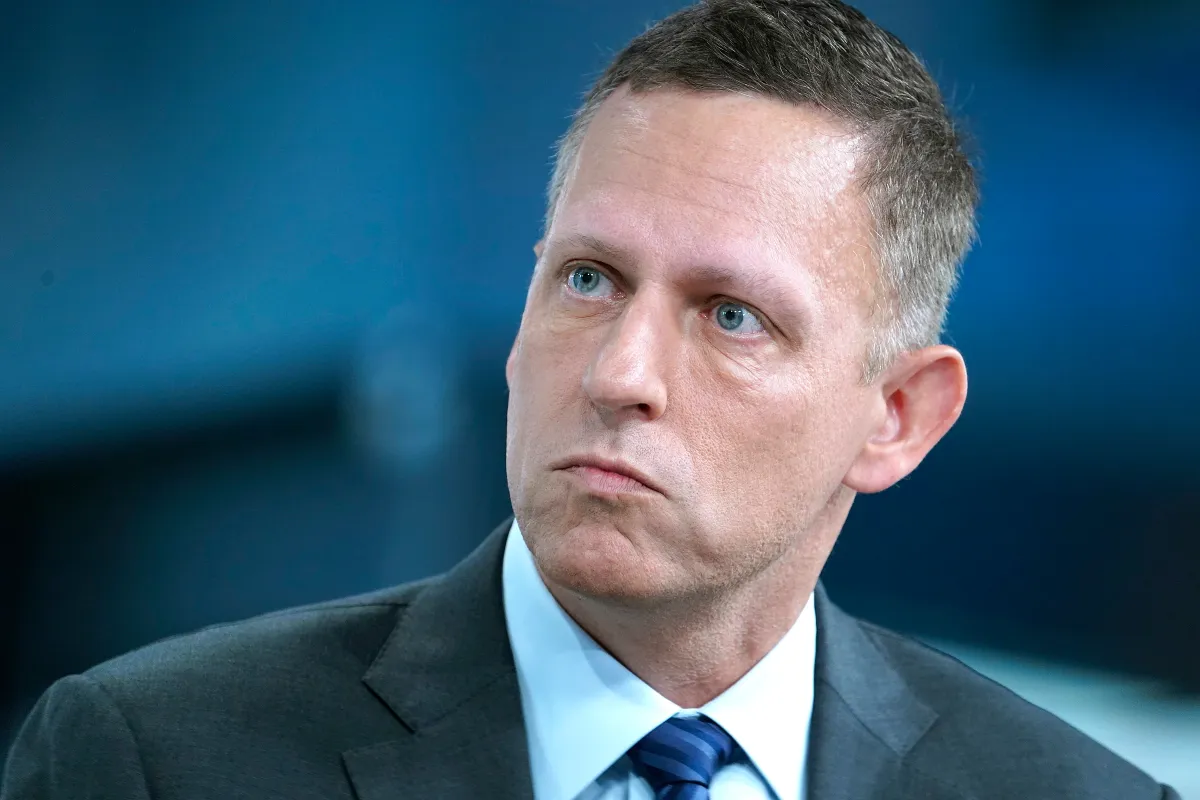
The Giving Pledge, once a symbol of elite philanthropy, is now in decline. Signatories have dwindled from 113 families in its first five years to just four in 2024, according to a recent New York Times investigation. Some of the world’s richest individuals—including Elon Musk, Mark Zuckerberg, and Sam Altman—remain on the list, but the enthusiasm has faded. As billionaire investor Peter Thiel bluntly told the Times, the pledge has “run out of energy.”
The retreat raises urgent questions: Why has a voluntary commitment to generosity lost its appeal? And what does it say about the widening gulf between the ultra-rich and the rest of the world?
The Numbers Behind the Divide
The backdrop to this philanthropic slowdown is a world of staggering inequality.
- The top 1% of U.S. households now control as much wealth as the bottom 90% combined, the highest concentration recorded by the Federal Reserve since 1989.
- Globally, one in four people lack regular access to sufficient food, while billionaire wealth has ballooned.
- In 2025 alone, the wealth gained by billionaires could have given every person on Earth $250—and still left the ultra-rich half a trillion dollars richer, per Oxfam.
Against this landscape, the Giving Pledge was meant to be a corrective. But without enforcement mechanisms, it relies entirely on goodwill and public pressure—two forces that appear to be weakening.
The Backlash: From Idealism to Cynicism
The decline of the pledge reflects a broader shift in Silicon Valley’s ethos.
In the early 2010s, tech leaders frequently claimed they were “making the world a better place.” The phrase became so clichéd that HBO’s Silicon Valley mercilessly parodied it—so much so, according to writer Clay Tarver, that some companies banned employees from using it.
But the satire masked a deeper divide. As veteran investor Roger McNamee observed, the tech world was once split between “hippie idealism” (epitomized by Steve Jobs) and libertarian self-interest (championed by figures like Thiel). Today, the latter camp dominates.
“Some of us actually came here to make the world a better place,” McNamee said. “We did not succeed. The libertarians took over, and they do not give a damn about right or wrong. They are here to make money.”
Thiel, a vocal critic of the pledge, has gone further—privately urging signatories to withdraw. He calls it an “Epstein-adjacent, fake Boomer club” and argues that philanthropists risk funding “left-wing nonprofits” chosen by Gates. When Coinbase CEO Brian Armstrong quietly removed his pledge letter in 2024, Thiel reportedly congratulated him.
Yet Thiel also claims some billionaires feel “blackmailed” into staying—afraid of public backlash if they renege.
But does that hold up?
Elon Musk, for one, has shown little concern for public perception—his approval ratings are already underwater. Mark Zuckerberg weathered years of regulatory scrutiny and emerged more defiant, not less. If fear of backlash were the issue, would these figures still be on the list?
Philanthropy’s New Direction
The Giving Pledge’s struggles don’t mean philanthropy is dead—but it is evolving.
- Mark Zuckerberg and Priscilla Chan have shifted their Chan Zuckerberg Initiative (CZI) away from education and social justice toward biomedical research, cutting 70 jobs in the process.
- Bill Gates, meanwhile, plans to give away virtually all his wealth—$200 billion—through his foundation, which will dissolve in 2045. “The man who dies rich dies disgraced,” he wrote, quoting Andrew Carnegie.
Others, however, reject the premise entirely. For libertarians like Thiel, building companies and driving innovation is philanthropy—no additional giving required.
History’s Warning
This isn’t the first time extreme wealth concentration has sparked a reckoning.
During the Gilded Age (1890s-1900s), inequality peaked—until trust-busting, income taxes, and the New Deal forced redistribution. Today, the institutions that drove those reforms—a functional Congress, a robust regulatory state—are weakened.
Without systemic change, the Giving Pledge was always a gentle nudge, not a solution. As Buffett said, it was just a “moral pledge.”
But its decline signals something deeper: a fraying social contract between the ultra-rich and everyone else.
The Road Ahead
The fate of the pledge may hinge on whether today’s billionaires see themselves as stewards of society or purely as wealth creators.
For now, the trend is clear: voluntary giving is losing steam, even as need grows. GoFundMe reports a 17% surge in campaigns for basics like rent and groceries. When food stamps were paused during a U.S. government shutdown, related fundraisers jumped sixfold.
Whether these struggles are linked to billionaire philanthropy is debatable. But the timing is hard to ignore.
As the Giving Pledge fades, one question lingers: If not generosity, what will bridge the gap?
The answer may determine whether the 21st century becomes an era of shared prosperity—or a new Gilded Age, with no end in sight.
