



Global Energy Crisis Deepens as Conflict Sends Shockwaves Through Markets
A World on Edge: The Ripple Effects of War
The world is grappling with an unprecedented energy crisis as geopolitical conflict continues to disrupt global supply chains, sending fuel prices soaring and threatening economic stability from Europe to Asia. What began as a regional confrontation has spiraled into a full-blown international emergency, with governments scrambling to secure energy reserves amid fears of winter shortages and inflation-driven unrest. The fallout is reshaping alliances, testing diplomatic resolve, and forcing nations to confront their dependence on volatile energy markets.
The Roots of the Crisis
The current turmoil stems from escalating tensions between major energy producers and their geopolitical rivals. Sanctions, supply cuts, and infrastructure attacks have throttled the flow of oil and gas, leaving import-dependent nations vulnerable. Europe, once heavily reliant on Russian natural gas, has been forced into a frantic search for alternatives, while emerging economies face crippling fuel import bills.
Meanwhile, OPEC+ production cuts and refinery disruptions have compounded the strain, pushing crude prices toward $100 a barrel. The International Energy Agency (IEA) warns that further instability could trigger a global recession, with developing nations hit hardest.
Europe’s Desperate Energy Pivot
Europe remains the epicenter of the crisis. After slashing Russian gas imports by over 80%, the EU has turned to liquefied natural gas (LNG) from the U.S. and Qatar, but sky-high demand has left terminals overwhelmed. Germany, once a manufacturing powerhouse, now faces deindustrialization risks as factories cut production due to soaring costs.
Governments are rolling out subsidies to ease public anger, but economists warn these are short-term fixes. France has restarted shuttered nuclear plants, while Poland races to complete Baltic Pipe gas links. Yet with winter approaching, fears of rationing and blackouts loom large.
Asia’s Growing Vulnerability
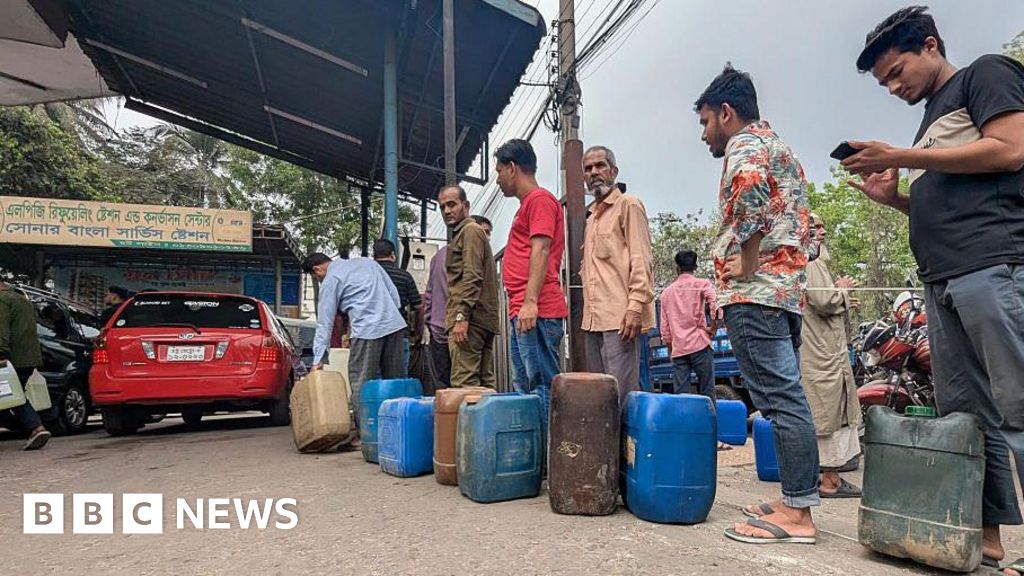
The shockwaves have spread rapidly to Asia, where energy-hungry economies like China and India are locked in fierce competition for dwindling LNG supplies. Pakistan and Bangladesh, already struggling with debt crises, have suffered fuel shortages and rolling blackouts.
China’s post-pandemic industrial rebound has further strained supplies, forcing it to outbid European buyers—a dynamic that could worsen if cold weather triggers additional demand. Meanwhile, Japan and South Korea, traditionally reliant on Middle Eastern oil, are accelerating renewable investments to reduce exposure to volatile markets.
Africa and Latin America: The Silent Sufferers
While wealthier nations absorb the shock with strategic reserves and subsidies, developing regions face dire consequences. In Africa, where many countries lack reliable energy infrastructure, rising diesel prices have crippled transport and agriculture. Nigeria, an oil producer, ironically struggles with fuel shortages due to refinery inefficiencies and smuggling.
Latin America, too, is feeling the pinch. Brazil’s fuel subsidies have strained public finances, while Argentina battles inflation nearing 100%. Protests over energy costs have erupted from Ecuador to South Africa, underscoring the risk of social unrest.
Why This Crisis Matters Globally
The energy crunch is more than a market disruption—it’s a geopolitical turning point. The U.S. and EU are fast-tracking green energy projects to reduce dependence on authoritarian regimes, while Russia and Saudi Arabia leverage oil as a political weapon. The shift could redefine global power structures, with renewable energy leaders like China gaining influence.
For consumers, the pain is immediate: higher utility bills, transport costs, and food prices. For businesses, supply chain chaos threatens profitability. And for governments, the crisis is a stark reminder of the fragility of globalization in an era of escalating conflict.
A Long Winter Ahead
As leaders convene at emergency summits and climate conferences, the path forward remains uncertain. Some advocate for accelerated green transitions; others push for expanded fossil fuel drilling as a stopgap. What’s clear is that the world can no longer afford to treat energy security as an afterthought.
The coming months will test the resilience of nations—and the stability of the global order itself. Whether through innovation or desperation, the choices made today will shape the energy landscape for decades to come. One thing is certain: the era of cheap and abundant energy is over.
