



Cleveland Faces Severe Lead Poisoning Crisis: City Officials Scramble for Solutions
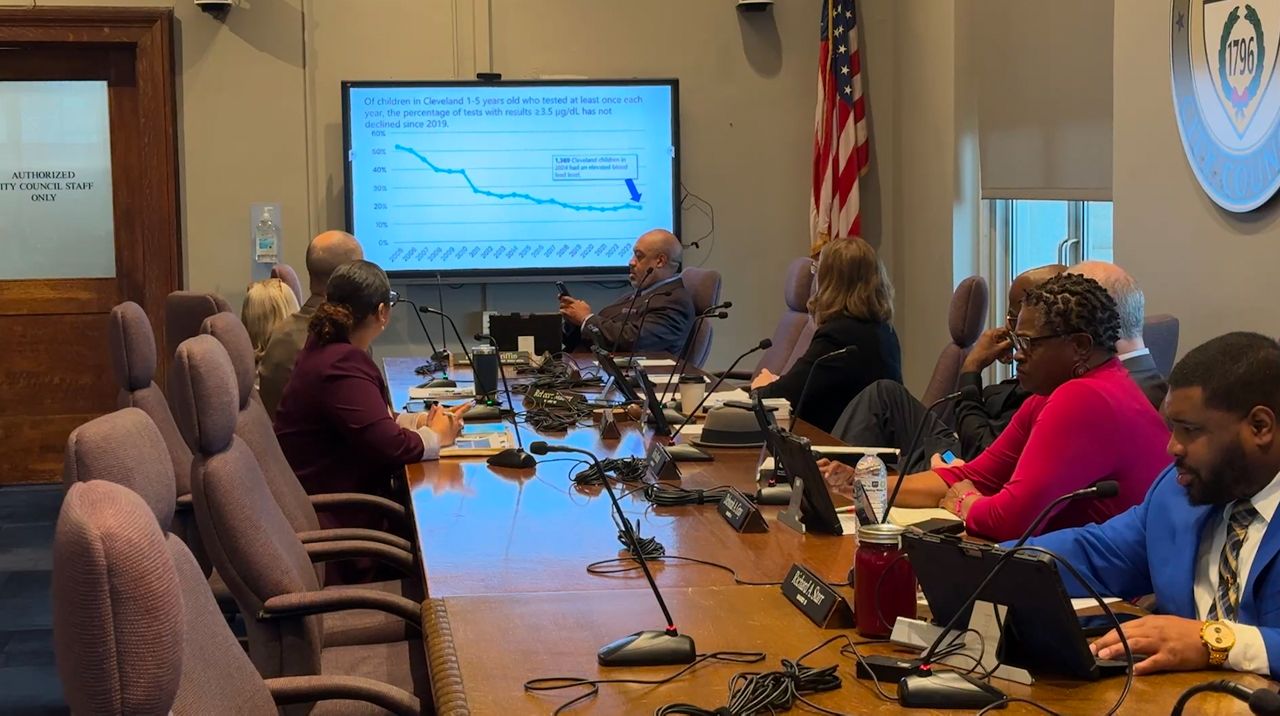
Cleveland is grappling with a lead poisoning rate more than double that of neighboring cities like Detroit, Toledo, Akron, and Cincinnati, according to recent data from the Cleveland Department of Public Health. Despite concerted efforts over the past five years, the rate of lead poisoning in children has remained stubbornly high, hovering around 20% since 2019.
Dr. Dave Margolius, Cleveland’s Public Health Director, described the situation as dire. “Cleveland has the highest lead poisoning rate in the country,” he said. “Nearly one in five children tests positive for lead poisoning, which is a public health crisis.”
Lead exposure, especially in young children, can cause irreversible brain damage and lifelong developmental challenges. The department reported that more than 1,300 children have tested positive for elevated blood lead levels so far in 2024. Margolius attributes the persistent problem to the city’s aging housing stock, much of which was built before lead paint was banned in 1978.
Crackdown on Non-Compliant Landlords
In response to the crisis, the city has enacted legislation requiring property owners to register their rental properties as “lead safe.” However, compliance has been uneven. Sally Martin O’Toole, Director of Building and Housing, revealed during a Health and Human Services Committee meeting on Monday that her department has cleared a backlog of 1,200 applications from landlords seeking certification.
The city has issued 278 civil tickets and filed 250 criminal cases against landlords who failed to comply with lead safety regulations, particularly in homes where children have been poisoned. Martin O’Toole explained that these initial tickets targeted landlords who applied for certification but failed to remediate issues identified during inspections.
As of March 31, the city completed its rental registration process, and enforcement efforts are now shifting to landlords who have not attempted to obtain lead-safe certification. Martin O’Toole estimates that 50% of rental properties in Cleveland have been certified as lead safe, though City Council member Rebecca Maurer cautioned that this figure is uncertain due to unregistered properties.
Funding Challenges and Remediation Efforts
Lead remediation is costly, and many property owners struggle to finance the necessary upgrades. Organizations like the Cleveland Lead Safe Coalition and the Department of Community Development have stepped in to help. The coalition has raised approximately $100 million, with $7.7 million distributed directly to property owners for remediation work. So far, about $20 million has been spent.
Additionally, the city has received $17 million in grants from the U.S. Department of Housing and Urban Development (HUD). However, more than $13 million of this funding remains unspent, with the first deadline looming on May 30. City officials have requested an extension from HUD but have yet to receive approval.
Margolius emphasized the scale of the problem, noting that estimates from 15 years ago suggested it could cost up to $2 billion to eliminate lead hazards in Cleveland. “We’ve raised $100 million, which is significant, but it’s just a fraction of what’s needed,” he said. “We need federal investment and private-sector support to make real progress.”
Calls for Faster Action
City leaders and community partners are under pressure to expedite funding and remediation efforts. Maurer likened the process to a spigot, asking whether resources are flowing effectively to where they’re needed most.
The Lead Safe Advisory Board (LSAB), co-chaired by Maurer, is working to assess the effectiveness of current programs and recommend improvements. Scott Kroehle, an LSAB member, stressed the importance of balancing enforcement with financial support for property owners. “Issuing violation notices is necessary, but if a landlord can’t afford a $40,000 window replacement, compliance won’t happen,” he said. “We need to address both enforcement and funding.”
Looking Ahead
As Cleveland continues to address its lead poisoning crisis, city leaders are debating how to refine existing laws and programs to achieve better outcomes. The challenge remains immense, but officials are hopeful that increased funding, stricter enforcement, and collaborative efforts can protect the city’s children from this silent menace.
— Reported by Nexio News
