



Global Markets on Edge as Investors Assess Fallout from Iran-Israel Conflict
By [Your Name], International Business Correspondent
LONDON/NEW YORK – Financial markets are navigating turbulent waters as escalating tensions between Iran and Israel send shockwaves through global asset classes. Investors from Wall Street to Frankfurt are scrambling to reassess risk exposure after Tehran’s unprecedented direct attack on Israeli territory last weekend—a dramatic escalation that has forced money managers to confront the specter of a wider Middle Eastern war.
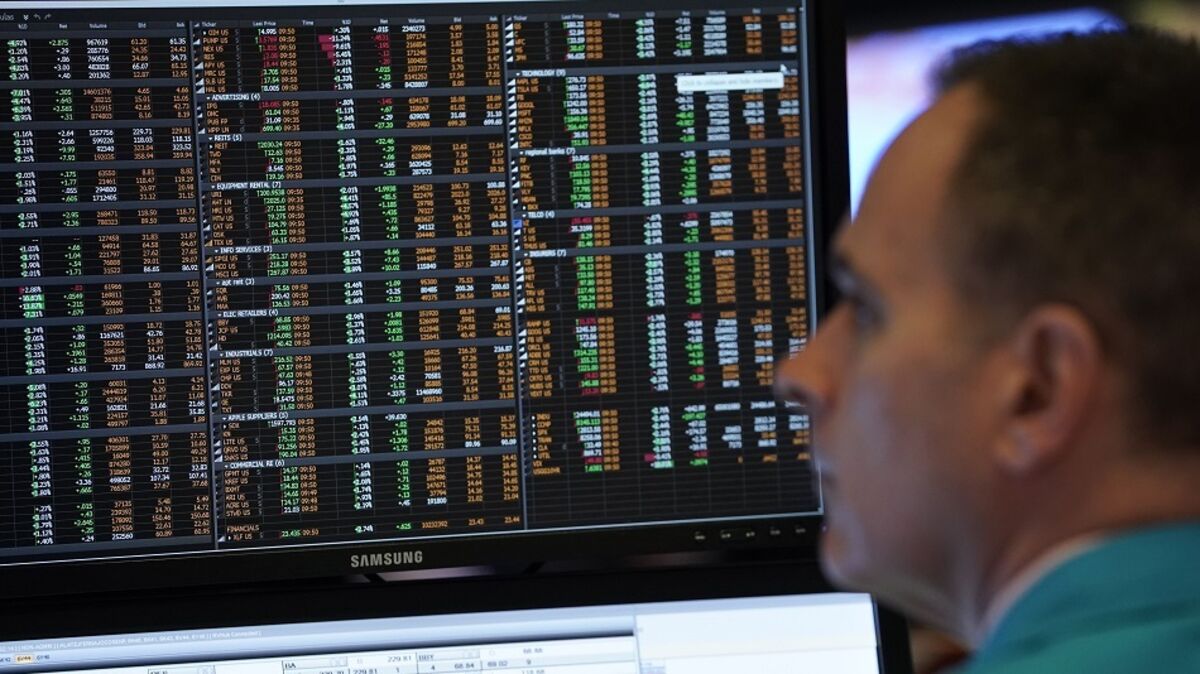
The conflict’s ripple effects became immediately visible across trading floors Monday morning. Oil prices surged past $90 a barrel, gold hit record highs as a safe-haven play, and equities in Europe and Asia stumbled. The volatility underscores how geopolitical flashpoints are testing the resilience of markets already grappling with delayed US rate cuts and uneven economic growth.
Markets React: Oil, Bonds, and Flight to Safety
Brent crude futures jumped 3.2% in early trading, reflecting fears of potential supply disruptions in the Strait of Hormuz—a critical chokepoint for 20% of global oil shipments. Energy analysts warn that sustained conflict could push prices toward $100, reigniting inflationary pressures just as central banks signal caution on monetary easing.
“The market is pricing in a risk premium that wasn’t there two weeks ago,” said Stephen Parker, co-head of global investment strategy at JPMorgan Private Bank, in an interview with Bloomberg. “Investors are asking whether this remains a contained regional event or morphs into something systemic.” Parker noted that European markets appear particularly vulnerable given the continent’s reliance on Middle Eastern energy and proximity to the conflict zone.
Meanwhile, government bonds rallied as capital fled to safety, with 10-year US Treasury yields dropping 12 basis points. Gold soared to $2,400 per ounce—a historic peak—while the Swiss franc and Japanese yen strengthened. The defensive rotation suggests deep-seated anxiety among institutional players.
Sectoral Impacts and Corporate Caution
The Stoxx Europe 600 index slid 1.5%, led by losses in travel and luxury stocks. Airlines including Lufthansa and Air France-KLM fell over 4% on concerns about rising fuel costs and disrupted flight paths. Israel’s TA-35 index plunged 5% before paring losses, with tech and defense stocks whipsawing.
Corporate earnings guidance is also under scrutiny. Companies with supply chain dependencies in the Middle East, from shipping giant Maersk to semiconductor firms reliant on Israeli tech, are bracing for disruptions. “We’re seeing contingency planning akin to early pandemic stages,” revealed a London-based hedge fund manager speaking anonymously due to compliance restrictions.
Historical Context: How Markets Process Geopolitical Shocks
Market historians draw parallels to the 1990 Gulf War, when oil prices spiked 125% before crashing post-conflict. However, today’s landscape differs crucially: global debt levels are higher, central banks have less policy flexibility, and social media amplifies real-time panic.
“Markets typically recover from geopolitical shocks unless they trigger recessions,” explained Claudia Calich, head of emerging market debt at M&G Investments. “The danger now is secondary effects—like sustained energy inflation forcing prolonged high interest rates.”
Policy Responses and the Road Ahead
Western governments are walking a tightrope between deterrence and de-escalation. The US has reaffirmed its “ironclad” support for Israel but is privately urging restraint to avoid a regional war. The EU, already strained by Ukraine, faces fresh energy security dilemmas.
For investors, the calculus hinges on three scenarios:
- De-escalation: Diplomatic efforts prevail; oil stabilizes below $90.
- Proxy Conflict: Tit-for-tat strikes continue, maintaining risk premiums.
- Full-Scale War: Iran directly targets Gulf oil infrastructure, triggering a global supply crisis.
“The middle scenario is our base case,” said Parker, “but clients are hedging against tail risks.” Derivatives data shows surging demand for oil and equity put options.
The Human Cost Behind the Numbers
Beyond charts and trading algorithms, the conflict carries a grim human toll. Civilian deaths in Gaza and Israel, alongside economic devastation in Lebanon and Syria, serve as stark reminders that market volatility is merely a symptom of deeper crises. As one Tel Aviv-based trader somberly noted: “No hedge fund strategy can insure against war.”
For now, the world watches—and waits—to see whether diplomacy or further escalation dictates the next chapter. In financial centers from New York to Hong Kong, the unspoken question lingers: How much longer can markets outrun geopolitics?
