



Nvidia’s GTC 2026 Kicks Off with High Stakes for AI’s Future
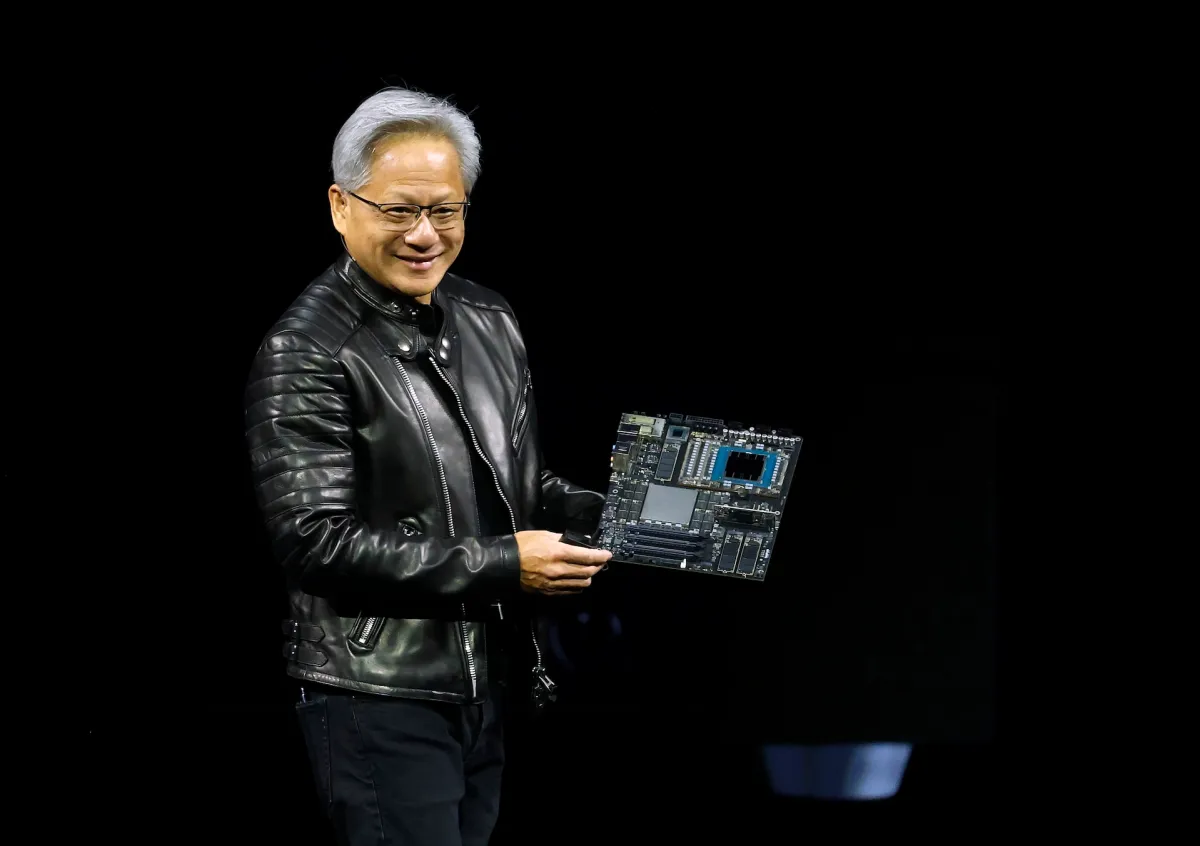
Silicon Valley is once again at the epicenter of technological innovation as Nvidia, the global leader in GPU (graphics processing unit) technology, launches its highly anticipated GPU Technology Conference (GTC) 2026 in San Jose, California. The event, running from March 16 to March 19, is expected to set the tone for the next chapter of artificial intelligence (AI) and computing. At the heart of the conference is CEO Jensen Huang’s keynote address, scheduled for Monday, March 16, at 11 a.m. PT (2 p.m. ET), which promises to unveil groundbreaking advancements in AI hardware, software, and industry partnerships.
This year’s GTC arrives at a pivotal moment for Nvidia, which has cemented its dominance in AI chipmaking but faces intensifying competition from tech giants like Google, Amazon, and OpenAI. The company’s strategic moves, particularly in AI inference—a critical but often overlooked phase of AI processing—will be under close scrutiny. With AI poised to transform industries ranging from healthcare to autonomous vehicles, Nvidia’s announcements could shape the trajectory of technological innovation for years to come.
What to Expect from Huang’s Keynote
Jensen Huang’s two-hour keynote is expected to focus on Nvidia’s evolving role in the future of computing and AI. Attendees at the SAP Center and viewers tuning in via livestream can anticipate major product launches and updates on the company’s partnerships. One of the most talked-about rumors is the unveiling of NemoClaw, an open-source platform designed to help enterprises build and deploy AI agents—software capable of autonomously executing complex, multistep tasks.
NemoClaw would position Nvidia as a direct competitor to OpenAI and other firms offering enterprise AI solutions. By providing businesses with a structured framework for AI agent development, Nvidia aims to democratize access to advanced AI tools while reinforcing its position as a key player in the AI ecosystem.
On the hardware front, industry insiders speculate that Nvidia will introduce a next-generation chip optimized for AI inference—the process by which AI models generate responses or make decisions based on their training. While AI training has traditionally been compute-intensive and dominated by Nvidia’s GPUs, inference represents a growing market where efficiency and cost-effectiveness are paramount. The new chip could address one of AI’s most significant bottlenecks, enabling faster, cheaper, and more scalable AI applications.
The Broader Implications for AI and Industry
GTC 2026’s agenda extends beyond hardware and software to explore AI’s transformative potential across diverse sectors. Healthcare, robotics, and autonomous vehicles are among the industries set to benefit from Nvidia’s innovations. Demonstrations and partnership announcements are expected to showcase how Nvidia’s technologies are being integrated into real-world applications, from improving medical diagnostics to enhancing the capabilities of self-driving cars.
The conference also highlights Nvidia’s strategic positioning in an increasingly competitive AI landscape. While the company currently holds an estimated 80% market share in AI training, its dominance in the inference market is less assured. Google, Amazon, and other tech heavyweights are investing heavily in custom AI chips tailored for inference, posing a formidable challenge to Nvidia’s hegemony.
Kevin Cook, a senior equity strategist at Zacks Investment Research, notes that the industry will be watching closely to see how Nvidia leverages its recent acquisition of Groq, an AI inference company. In late 2025, Nvidia reportedly paid $20 billion to license Groq’s technology, with Groq’s leadership team joining Nvidia to drive its development. This partnership could prove pivotal in Nvidia’s efforts to capture a larger share of the inference market.
Why GTC Matters Beyond Nvidia
Nvidia’s GTC is more than just a corporate showcase; it’s a barometer for the state of AI and computing. The technologies unveiled at the conference often ripple across the industry, influencing trends and driving innovation. For example, Nvidia’s introduction of CUDA (Compute Unified Device Architecture) in the early 2000s revolutionized parallel computing and laid the groundwork for modern AI. Similarly, the company’s emphasis on AI inference and enterprise solutions could set new standards for how AI is deployed globally.
The conference also underscores the interconnected nature of today’s tech ecosystem. Nvidia’s partnerships with companies like Groq and its competition with firms like OpenAI highlight the collaborative and competitive dynamics shaping AI’s future. As Huang takes the stage, his announcements will not only reflect Nvidia’s ambitions but also signal broader shifts in the tech industry.
Challenges and Opportunities Ahead
While Nvidia’s leadership in AI is undeniable, the company faces significant challenges. The AI inference market is becoming increasingly crowded, and rivals like Google and Amazon are developing specialized chips that could outperform Nvidia’s offerings. Additionally, the company’s reliance on hardware sales poses risks in a market where software and cloud-based solutions are gaining traction.
However, Nvidia’s ability to innovate and adapt has been a hallmark of its success. By expanding its portfolio to include enterprise AI platforms like NemoClaw and optimizing its hardware for inference, the company is positioning itself to remain at the forefront of AI development.
A Conference Shaping the Future
As GTC 2026 unfolds, one thing is clear: Nvidia’s influence extends far beyond the walls of the SAP Center. The company’s announcements will resonate across industries, shaping how AI is developed, deployed, and democratized. Whether Nvidia can maintain its dominance in an increasingly competitive market remains to be seen, but its commitment to innovation ensures it will remain a key player in the AI revolution.
In a world increasingly defined by artificial intelligence, Nvidia’s GTC serves as both a showcase of the company’s ambitions and a glimpse into the future of technology. As Huang takes the stage, the tech world will be watching, eager to see how Nvidia navigates the challenges and opportunities of the AI era.
Whether Nvidia’s latest moves will cement its leadership or spark a new wave of competition, one thing is certain: the future of AI is being written in San Jose this week.
