



Global Tensions Rise as Iran’s Leadership Transition Sparks Regional Uncertainty
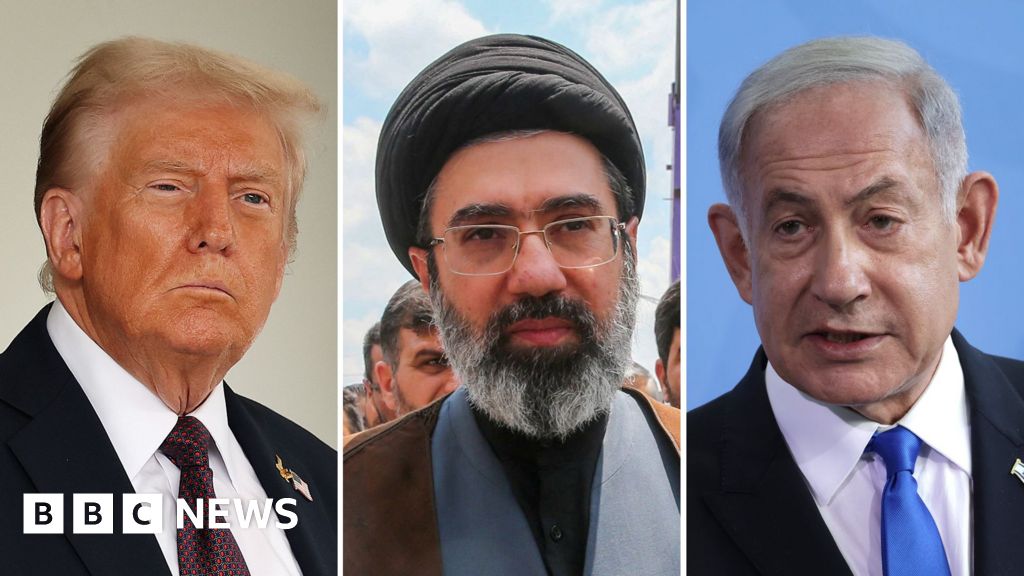
The world watches with bated breath as Iran’s leadership transition unfolds, a pivotal moment that could reshape the geopolitical landscape of the Middle East and beyond. With the appointment of Mojtaba Khamenei as the new Supreme Leader of the Islamic Republic, Tehran has signaled a continuation of its hardline policies, dashing hopes for reform and intensifying regional instability. This development comes at a time when global powers grapple with escalating conflicts, economic pressures, and the persistent threat of radical militias fueled by Iranian support.
A Hardline Successor: Implications for Iran and Beyond
Iran’s decision to appoint Mojtaba Khamenei, the son of the late Ayatollah Ali Khamenei, as its new Supreme Leader has drawn sharp reactions from the international community. Known for his staunch adherence to his father’s ideologies, Mojtaba represents a continuation of the Islamic Republic’s hardline stance, particularly its antagonistic relationship with the West. His ascension suggests that Tehran is unlikely to soften its policies on issues such as human rights, regional militias, or nuclear ambitions—factors that have long fueled tensions with the United States and its allies.
The choice of Mojtaba Khamenei also underscores Iran’s internal power dynamics. By selecting a successor deeply rooted in the regime’s conservative factions, Iran’s leadership has effectively sidelined voices advocating for reform or a more moderate approach. This decision reflects Tehran’s determination to maintain its ideological identity, even as it faces mounting economic pressures and widespread discontent among its citizens.
Regional Instability and Proxy Warfare
Iran’s influence in the Middle East is undeniable. Over the years, Tehran has cultivated a network of proxy militias across the region, including Hezbollah in Lebanon, the Houthis in Yemen, and various Shia groups in Iraq. These organizations have served as instruments of Iran’s foreign policy, projecting its power and challenging Western-aligned governments. The continuation of hardline leadership suggests that this strategy will persist, potentially exacerbating conflicts in already volatile areas.
For instance, Yemen’s civil war, fueled by Iranian support for the Houthi rebels, remains a humanitarian crisis with global repercussions. The conflict has disrupted vital shipping routes, threatened energy supplies, and drawn in regional powers like Saudi Arabia. Similarly, Iran’s backing of Hezbollah has destabilized Lebanon, a country already grappling with economic collapse and political paralysis. The persistence of these proxy wars not only undermines regional security but also complicates international efforts to mediate peace.
Global Ramifications: Strained U.S.-Iran Relations
The United States, Iran’s long-time adversary, views Tehran’s leadership transition with concern. Washington has repeatedly called on Iran to curb its support for militant groups, halt its nuclear program, and improve its human rights record. However, with Mojtaba Khamenei at the helm, these demands are unlikely to be met. This development could further strain U.S.-Iran relations, potentially derailing diplomatic efforts and increasing the risk of confrontation.
The situation is particularly precarious given the fragile state of global security. The war in Ukraine, rising tensions in the South China Sea, and ongoing conflicts in Africa have already stretched international resources thin. A destabilized Middle East, driven by Iran’s uncompromising stance, could tip the balance, drawing global powers into deeper entanglements and diverting attention from other pressing crises.
Why It Matters: A World on Edge
Iran’s leadership transition is not merely a domestic issue; it has far-reaching implications for global peace and security. The Islamic Republic’s policies directly impact millions of lives, from its own citizens enduring repression to regional populations caught in the crossfire of proxy wars. Moreover, Tehran’s actions influence critical global issues such as energy security, nuclear non-proliferation, and counter-terrorism efforts.
The international community must navigate this complex landscape with caution. Diplomatic engagement, economic sanctions, and multilateral cooperation will be essential tools in addressing the challenges posed by Iran’s hardline leadership. At the same time, the world cannot afford to overlook the plight of ordinary Iranians, who continue to suffer under oppressive governance.
Conclusion: A Critical Juncture for Iran and the World
As Iran embarks on a new chapter under Mojtaba Khamenei’s leadership, the stakes have never been higher. The Islamic Republic’s choices will reverberate far beyond its borders, shaping the trajectory of regional conflicts and global diplomacy. While hopes for reform may have dimmed, the need for vigilant, principled international engagement remains as urgent as ever.
In a world increasingly defined by uncertainty, Iran’s leadership transition serves as a stark reminder of the interconnectedness of global security. The path ahead is fraught with challenges, but it is one that the international community cannot afford to ignore. As tensions rise and alliances shift, the world must strive to balance pragmatism with principle, ensuring that the pursuit of stability does not come at the expense of justice and human dignity.
