


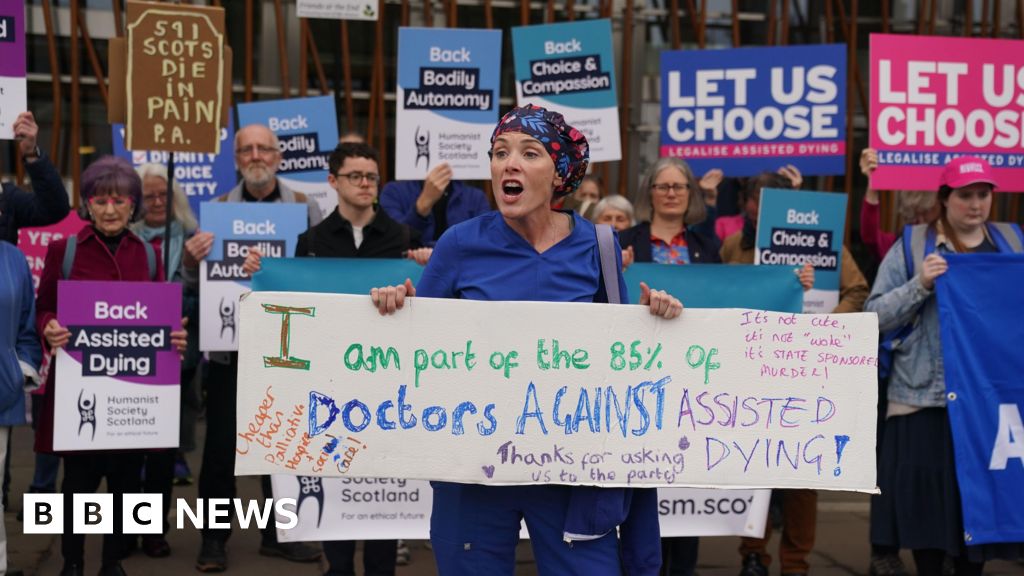

MSPs Poised to Vote on Assisted Dying, Ending Decades-Long Political Debate
Edinburgh, Scotland – After years of impassioned debate and legal wrangling, Scotland’s Members of the Scottish Parliament (MSPs) are set to vote on legislation that could legalize assisted dying, marking a historic moment in the country’s political and social landscape. The proposed bill, championed by prominent MSP Liam McArthur, aims to provide terminally ill individuals with the option to end their lives with medical assistance, under stringent safeguards.
The issue of assisted dying has long been a contentious topic globally, pitting proponents of individual autonomy against those who emphasize the sanctity of life and potential ethical risks. In Scotland, the debate has simmered for decades, with previous attempts to introduce similar legislation failing to gain parliamentary traction. This latest effort, however, has garnered significant public and political momentum, with polls indicating widespread support among Scots for a regulated assisted dying framework.
The Bill’s Core Provisions
The proposed legislation outlines strict eligibility criteria, limiting assisted dying to adults with terminal illnesses who are deemed mentally competent and have a prognosis of six months or less to live. Safeguards include mandatory medical assessments, a cooling-off period, and the explicit consent of the individual. The bill also prohibits coercion and ensures that healthcare professionals who object to assisted dying on moral grounds are not compelled to participate.
Proponents argue that the bill offers compassion and dignity to those facing unbearable suffering, aligning Scotland with jurisdictions like Canada, New Zealand, and several U.S. states, where assisted dying is legally recognized. Liam McArthur, the bill’s architect, stated, “This is about giving people a choice at the end of their lives. It’s about respecting their autonomy and ensuring they don’t suffer needlessly.”
Opposition and Ethical Concerns
Despite its progressive intentions, the bill faces robust opposition from religious groups, disability rights advocates, and some medical professionals. Critics warn of potential slippery slopes, where the law could be expanded to include non-terminal cases or vulnerable individuals who feel pressured to end their lives. The Scottish Council on Human Bioethics has termed the legislation a “dangerous precedent,” arguing that it undermines the intrinsic value of life.
Medical organizations are also divided. While some healthcare professionals support the bill as a humane extension of patient care, others fear it could erode trust in the medical profession. The British Medical Association (BMA) in Scotland has maintained a neutral stance, reflecting the diversity of opinion within its ranks.
Public Sentiment and Advocacy
Public debate has been intense, with advocacy groups on both sides mobilizing campaigns. Dignity in Dying, a leading organization supporting the bill, has highlighted heart-wrenching stories of individuals who endured prolonged suffering due to the lack of legal options. Conversely, campaigns like Better Way have emphasized the potential risks to vulnerable populations, urging MSPs to prioritize palliative care improvements over assisted dying.
The Scottish government has remained cautiously neutral, allowing MSPs a free vote on the matter—a decision that underscores the deeply personal and moral dimensions of the issue.
Why This Vote Matters
The upcoming vote is not merely a legislative decision but a reflection of evolving societal values. As life expectancy increases and medical advancements prolong life, questions about the quality of that life—and who has the right to decide its end—have become increasingly urgent.
The outcome will also set a precedent for other UK nations, where similar debates are ongoing. England and Wales have seen repeated attempts to introduce assisted dying legislation, while Northern Ireland remains firmly opposed. A “yes” vote in Scotland could reignite momentum across the UK, potentially influencing broader policy changes.
Future Implications
If passed, the bill will make Scotland the first UK nation to legalize assisted dying, positioning it as a leader in end-of-life care reform. However, implementation will require careful oversight to ensure the safeguards are rigorously upheld and that vulnerable individuals are protected.
Conversely, a rejection of the bill could stall progress on assisted dying in Scotland for years, leaving terminally ill individuals without a legal option to end their suffering. It could also fuel calls for improved palliative care services, which advocates argue remain underfunded and inconsistent across the country.
Regardless of the outcome, the vote marks a pivotal moment in Scotland’s history—one that will shape its approach to death, dignity, and individual autonomy for generations to come.
As MSPs prepare to cast their votes, the nation watches closely, aware that the decision will resonate far beyond the walls of Holyrood.
For now, the question remains: will Scotland choose to embrace assisted dying as a compassionate choice or reject it as a step too far? The answer lies in the hands of its legislators and, ultimately, its people.
