


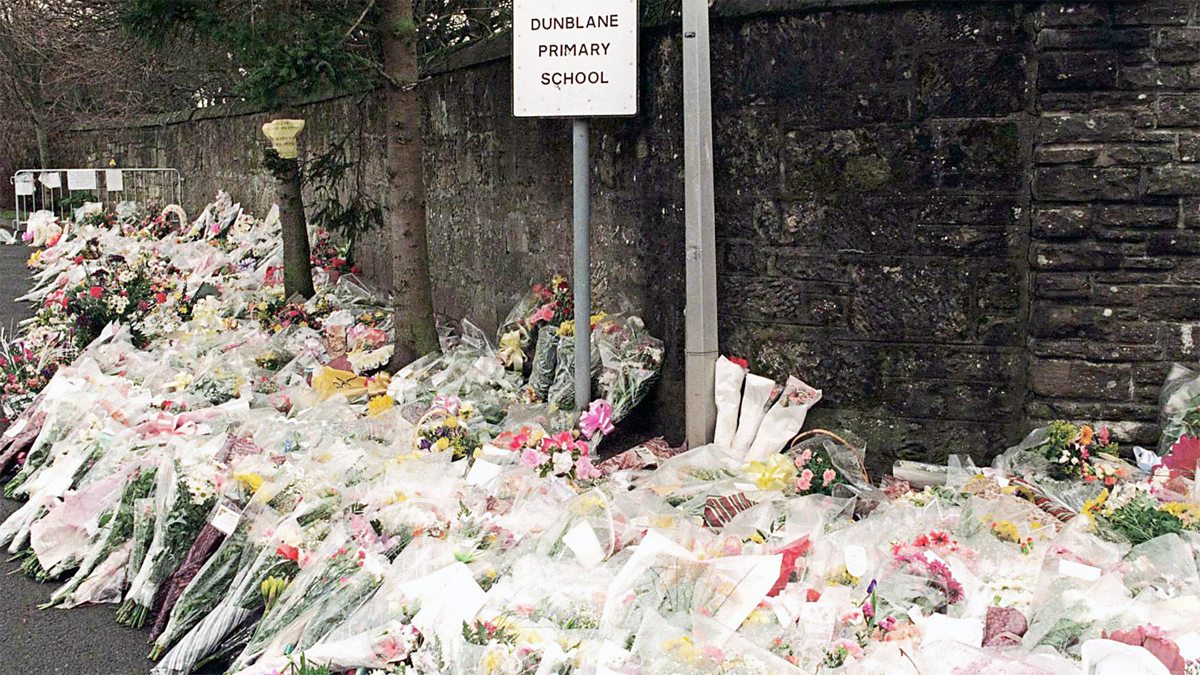

Grieving Parents Spark Historic Handgun Ban After Dunblane Tragedy
In a powerful testament to grassroots activism, grieving parents in the United Kingdom successfully pushed for a nationwide ban on handguns in the wake of the 1996 Dunblane massacre, one of the deadliest school shootings in British history. Their relentless campaign, marked by personal loss and unwavering determination, led to landmark legislation that reshaped the country’s approach to gun control and set a global precedent.
The tragedy unfolded on March 13, 1996, when Thomas Hamilton, a licensed handgun owner, entered Dunblane Primary School in Scotland and opened fire in a gymnasium filled with kindergarten students. Sixteen children and their teacher were killed, and fifteen others were injured before Hamilton turned the gun on himself. The atrocity sent shockwaves across the nation, leaving communities traumatized and demanding accountability.
In the aftermath, a small group of bereaved parents emerged as unlikely but formidable advocates for change. Among them were Mick North, whose daughter Sophie was among the victims, and Ann and Alan Penn, parents of another child lost in the shooting. Channeling their grief into action, they formed the Snowdrop Campaign, named after the flower that bloomed in the Scottish hillside that fateful March.
The campaign’s mission was clear: to tighten gun laws and prevent such a tragedy from ever happening again. They mobilized public support through petitions, media appearances, and lobbying efforts, emphasizing the ease with which Hamilton had legally obtained his firearms. Their argument struck a chord with a grieving nation, sparking widespread calls for reform.
The British government, then led by Prime Minister John Major, faced mounting pressure to act. Initially, the response was cautious, with some officials wary of alienating gun owners and sports shooting enthusiasts. However, the Snowdrop Campaign’s persistence, combined with public outrage, forced the issue to the forefront of political discourse.
In 1997, the newly elected Labour government, under Prime Minister Tony Blair, took decisive action. Following a public inquiry led by Lord Cullen, which highlighted systemic flaws in gun licensing, Parliament passed the Firearms (Amendment) Act 1997. The legislation banned private ownership of handguns above .22 caliber and imposed stringent storage requirements for firearms. Later that year, the Firearms (Amendment) (No. 2) Act extended the ban to all handguns, effectively removing them from civilian hands.
The laws marked a dramatic shift in Britain’s gun policy, contrasting sharply with gun rights debates in countries like the United States. Supporters hailed the measures as pragmatic and lifesaving, while critics argued they infringed on personal freedoms. Nevertheless, the legislation enjoyed broad public support, a testament to the Snowdrop Campaign’s ability to turn tragedy into meaningful change.
The ban’s impact has been profound. In the decades since Dunblane, the UK has recorded some of the lowest rates of gun violence in the world. Mass shootings have become exceedingly rare, and firearm-related homicides have plummeted. Experts attribute this success to the strict regulations and cultural shift surrounding gun ownership that followed the tragedy.
The Dunblane parents’ campaign also inspired similar movements globally. Their story demonstrates the power of grassroots advocacy in influencing policy, particularly in areas as contentious as gun control. It underscores the role of ordinary citizens in holding governments accountable and shaping safer societies.
However, the legacy of Dunblane extends beyond legislation. The massacre prompted broader conversations about mental health, school safety, and the responsibilities of gun ownership. It also highlighted the need for comprehensive approaches to violence prevention, acknowledging that laws alone cannot address every root cause.
As the UK approaches the 30th anniversary of the Dunblane tragedy, the Snowdrop Campaign’s achievements remain a poignant reminder of the resilience of the human spirit. The parents’ fight for change not only honored their children’s memories but also protected countless others from similar fates.
Looking ahead, the Dunblane legacy continues to influence gun control debates worldwide. As nations grapple with rising gun violence, the UK’s experience offers a compelling case study in balancing public safety with individual rights. Yet, it also serves as a sobering reminder of the cost of inaction and the enduring impact of collective advocacy.
The story of Dunblane is one of tragedy but also of triumph—a testament to the power of ordinary people to effect extraordinary change. As the world watches ongoing struggles for gun reform, the Snowdrop Campaign stands as a beacon of hope and a call to action for future generations.
