


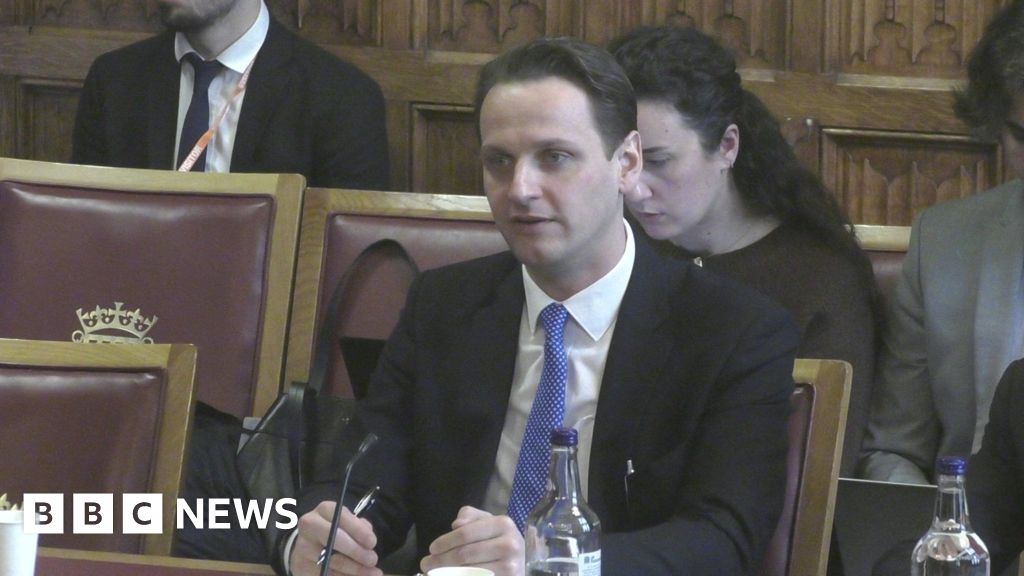

UK Migration Minister Stumbles on Citizenship Test Question, Sparking Debate
LONDON—In a surprising moment that has ignited debate about Britain’s citizenship process, Migration Minister Mike Tapp admitted he was unable to answer a question during a mock UK citizenship test. The incident occurred during a public engagement event aimed at promoting transparency in the country’s immigration policies.
The citizenship test, formally known as the “Life in the UK” test, is a mandatory requirement for individuals seeking British citizenship or indefinite leave to remain. It assesses applicants’ knowledge of British history, culture, laws, and traditions through a series of multiple-choice questions. Critics have long argued that some questions are overly niche or irrelevant to daily life, and Tapp’s stumble has added fuel to the fire.
During the event, Tapp, who was invited to take the test live to demonstrate its rigor, was stumped by a question about the reign of King Henry VIII. The specific query reportedly asked about the number of marriages the monarch had—a detail many historians consider common knowledge. Tapp hesitated before joking, “Well, I suppose I’ll need to brush up on my Tudor history!”
The incident quickly drew attention on social media and from political opponents, who questioned whether the test truly serves its purpose. Shadow Home Secretary Sarah Ellis remarked, “If the minister responsible for migration policy can’t answer a question about British history, how can we expect immigrants to do so?” She added, “This raises serious concerns about the fairness and relevance of the test.”
The UK Home Office defended Tapp, emphasizing that the minister’s focus is on policy implementation rather than historical trivia. A spokesperson stated, “Minister Tapp’s role is to oversee a fair and efficient immigration system. The citizenship test is designed to ensure applicants have a broad understanding of British life, but it’s important to remember that no one knows everything.”
The citizenship test has been a contentious topic since its introduction in 2005. Critics argue that it places an undue burden on applicants, particularly those from non-English-speaking backgrounds, and that some questions are culturally biased. Advocates, however, maintain that it fosters integration and ensures newcomers understand the country’s values and traditions.
Recent revisions to the test have sought to address these concerns, including updating questions to reflect modern British society and removing content deemed outdated or offensive. However, challenges remain. A 2022 study found that only 30% of British citizens could pass the test if asked to take it, raising further questions about its practicality.
Tapp’s stumble also comes at a critical time for the UK’s immigration system. The country has faced increasing scrutiny over its handling of asylum applications and the introduction of controversial measures such as the Rwanda deportation scheme. The Migration Minister’s inability to answer a test question has inadvertently shifted the spotlight onto the broader debate about what it means to be British and how the nation welcomes newcomers.
Immigration experts have weighed in, suggesting that the citizenship test should focus more on practical knowledge, such as understanding UK laws, rights, and responsibilities, rather than historical trivia. Dr. Priya Sharma, a professor of migration studies at the University of London, said, “The test should reflect the realities of life in the UK today. While history is important, it shouldn’t be a barrier to citizenship.”
Public opinion on the matter remains divided. Some argue that knowing British history is essential for integration, while others believe the test should be more accessible. “It’s not about lowering standards,” said one immigrant advocacy group leader. “It’s about ensuring the test is fair and relevant.”
As the debate unfolds, Tapp’s office has indicated that the minister is open to reviewing the citizenship test as part of wider reforms to the immigration system. In a statement, Tapp said, “This incident has highlighted the need to ensure our processes are both rigorous and practical. We will continue to work toward a system that is fair and effective for all.”
The implications of this episode extend beyond the immediate controversy. It has reignited discussions about the UK’s national identity and how best to integrate immigrants into society. With immigration likely to remain a hot-button issue in the lead-up to the next general election, the government’s handling of this situation could have significant political ramifications.
Looking ahead, the incident may prompt a broader reevaluation of the citizenship test and its role in the immigration process. As the UK grapples with the complexities of modern migration, Tapp’s stumble serves as a reminder that policies must evolve to meet the needs of a changing society.
Whether this moment leads to meaningful reform or simply fades into political history remains to be seen. But for now, it has sparked a much-needed conversation about fairness, inclusivity, and what it truly means to belong in Britain.
