



Cyprus President Calls UK Military Bases a ‘Colonial Consequence’ Amid Ongoing Tensions
Nicosia, Cyprus—President Nikos Christodoulides has labeled the United Kingdom’s two military bases on Cyprus as a “colonial consequence,” reigniting debate over the historic presence of foreign troops on the island. The comments, made during a public address earlier this week, underscore growing frustration over the enduring legacy of colonialism in the eastern Mediterranean nation.
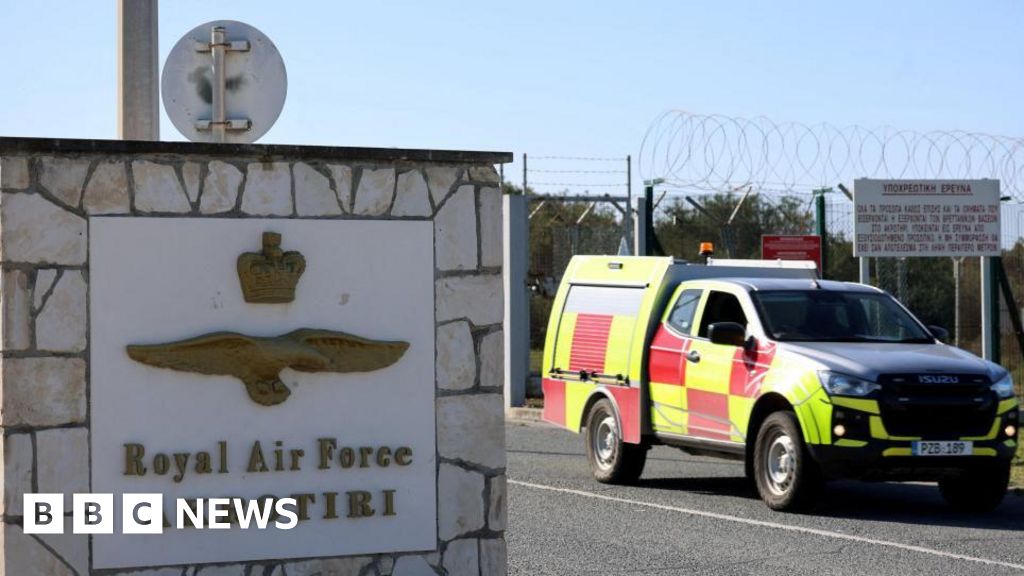
The UK maintains two sovereign base areas on Cyprus—Akrotiri and Dhekelia—established in 1960 under the Treaty of Establishment, which granted Cyprus independence from British rule. These bases, which occupy approximately 3% of the island’s territory, have long been a point of contention for Cypriots, who view them as a symbol of foreign interference and unresolved historical grievances.
Christodoulides’ remarks come at a time of heightened geopolitical tensions in the region. Cyprus, an EU member state, has been navigating complex relationships with neighboring Turkey, which occupies the northern part of the island, and the UK, a key ally with a lingering colonial footprint. The President’s statement reflects a broader push by Cyprus to assert its sovereignty and address historical inequities.
“The presence of foreign military bases on our soil is a colonial consequence that continues to impact our nation,” Christodoulides said. “While we recognize the importance of international cooperation, it is imperative that we move toward a future free from the remnants of colonialism.”
The UK has consistently defended its presence on Cyprus, citing strategic importance and regional security. The bases serve as critical hubs for British military operations in the Middle East and have been used for intelligence gathering, surveillance, and logistical support. However, critics argue that the UK’s continued control over these territories undermines Cyprus’ sovereignty and perpetuates an outdated colonial framework.
Experts note that the issue is deeply intertwined with Cyprus’s complex political history. The island has been divided since 1974, when Turkey invaded and occupied the northern third in response to a brief Greek-backed coup. The UK’s bases, situated in the internationally recognized Republic of Cyprus, have remained a contentious element of the island’s fractured governance.
“The UK’s military presence is a reminder of unfinished business from the colonial era,” said Dr. Andreas Karamanis, a Cypriot political analyst. “For many Cypriots, these bases symbolize a time when their destiny was dictated by external powers. Addressing this issue is not just about land—it’s about reclaiming national identity.”
Christodoulides’ comments have sparked a mixed response both domestically and internationally. While many Cypriots applaud the President for raising the issue, some question whether the timing and tone of his remarks could strain relations with the UK at a delicate moment. The UK has yet to issue an official response, but sources close to the British government indicate that any discussion of relinquishing the bases is unlikely in the near future.
The controversy also highlights broader debates about post-colonial legacies and the role of foreign military bases in sovereign nations. Similar issues have arisen in places like Okinawa, Japan, where U.S. military bases have faced local opposition, and Djibouti, which hosts multiple foreign military installations.
For Cyprus, the stakes are particularly high. The island sits at a strategic crossroads between Europe, the Middle East, and North Africa, making it a focal point for international powers. The UK’s bases have played a significant role in regional security operations, including counterterrorism efforts and humanitarian missions. However, their continued presence raises questions about the balance between national sovereignty and global security interests.
In recent years, Cyprus has sought to diversify its partnerships and reduce its reliance on external powers. The country has strengthened ties with the European Union, expanded cooperation with regional neighbors, and pursued energy exploration in its offshore waters. Against this backdrop, the UK’s bases appear increasingly out of step with Cyprus’s aspirations for greater independence and self-determination.
Looking ahead, the debate over the UK’s military presence on Cyprus is likely to intensify. Christodoulides’ administration has signaled its intention to revisit the issue, potentially seeking negotiations with the UK. However, any move to challenge the status quo would require careful diplomacy and consideration of broader geopolitical dynamics.
The future of Cyprus’s relationship with the UK—and the broader international community—may hinge on how this colonial legacy is addressed. As global attitudes toward colonialism continue to evolve, Cyprus stands at the forefront of a growing movement to reconcile history with the demands of a changing world.
For now, the UK’s bases remain a tangible reminder of a bygone era. But as Christodoulides’ bold statement makes clear, Cyprus is determined to forge a new path—one that prioritizes sovereignty, dignity, and a future free from the shadows of colonialism.
