


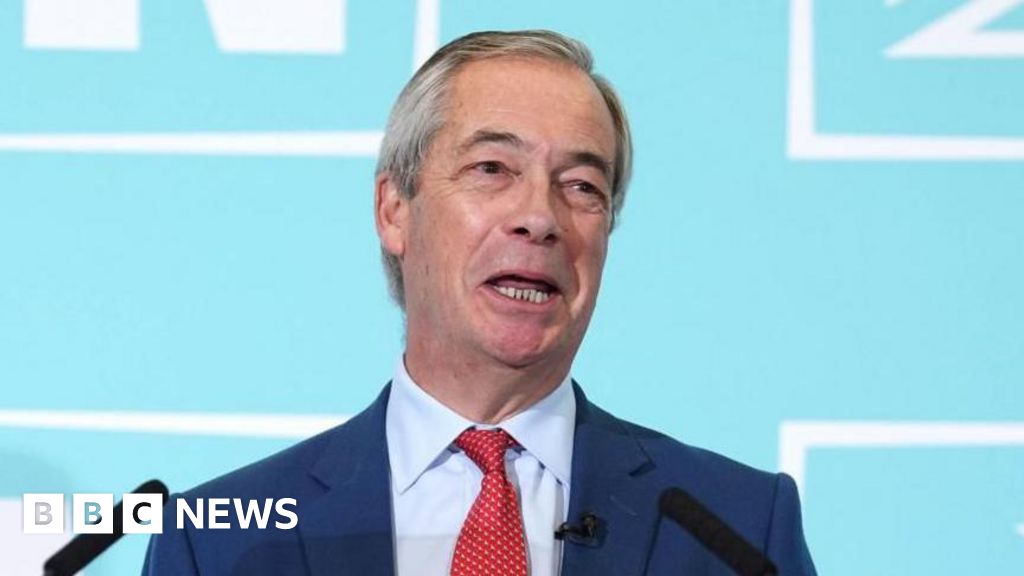

Reform UK Leader Sparks Controversy with Paid Video Message on Cameo App
The leader of Reform UK, a prominent right-wing political party in the United Kingdom, has ignited a fresh wave of debate after delivering a divisive statement via a paid-for video message on the celebrity shoutout platform Cameo. The video, which circulated widely on social media, has drawn criticism from political opponents and raised questions about the blending of political messaging with monetized platforms.
The Cameo app, known for allowing users to pay celebrities and public figures to record personalized messages, has traditionally been used for lighthearted or celebratory purposes. However, the Reform UK leader’s decision to use the platform for political commentary marks a notable departure from its usual tone. In the video, the leader addressed supporters directly, delivering a message that critics argue bordered on campaign rhetoric.
The content of the video, which has not been disclosed in full, reportedly touched on key Reform UK talking points, including immigration policy, national sovereignty, and economic reform. While supporters praised the leader’s accessibility and innovative use of technology, opponents accused the party of blurring the lines between political engagement and commercialized communication.
The incident comes at a time when political parties in the UK are increasingly exploring new ways to connect with voters, particularly younger demographics. Social media platforms like TikTok, Instagram, and Cameo have become fertile ground for politicians seeking to bypass traditional media channels and speak directly to the public. However, critics argue that monetizing such interactions risks commodifying political discourse and undermining transparency.
Reform UK, formerly known as the Brexit Party, has positioned itself as a vocal critic of the UK government’s handling of Brexit and other key issues. The party has gained traction in recent years, particularly among voters disillusioned with mainstream political options. The leader’s use of Cameo is seen as part of a broader strategy to appeal to a more tech-savvy and politically disengaged audience.
Reaction to the video has been polarized. Supporters argue that the move demonstrates the party’s commitment to innovation and its willingness to meet voters where they are. “This is modern politics in action,” said one Reform UK supporter on social media. “It’s refreshing to see a leader who isn’t afraid to try new things.”
Opponents, however, have raised concerns about the implications of politicians monetizing their messages. “This sets a dangerous precedent,” said a spokesperson for a rival political party. “Political communication should be about transparency and accountability, not profit.”
The controversy also highlights broader questions about the ethics of using commercial platforms for political purposes. While Cameo encourages users to request messages from a wide range of figures, its terms of use do not explicitly prohibit political content. This gray area has left some questioning whether platforms like Cameo should establish clearer guidelines for political messaging.
The incident is likely to prompt further debate about the role of technology in modern politics. As digital platforms become increasingly integral to political campaigns, questions about transparency, accountability, and ethical boundaries are likely to grow. The Reform UK leader’s use of Cameo may be just one example of a broader trend toward the monetization of political engagement.
Looking ahead, the controversy could have implications for how political parties engage with voters in the digital age. While platforms like Cameo offer a unique opportunity to connect with audiences, they also raise concerns about the commodification of political discourse. As political parties continue to experiment with new forms of communication, striking a balance between accessibility and integrity will remain a critical challenge.
The Reform UK leader’s Cameo video underscores the evolving nature of political engagement in the 21st century. As technology reshapes the way politicians communicate, the boundaries between public service and commercialization are becoming increasingly blurred. The fallout from this incident may prompt a broader conversation about the ethics of digital political communication and its implications for democracy.
