


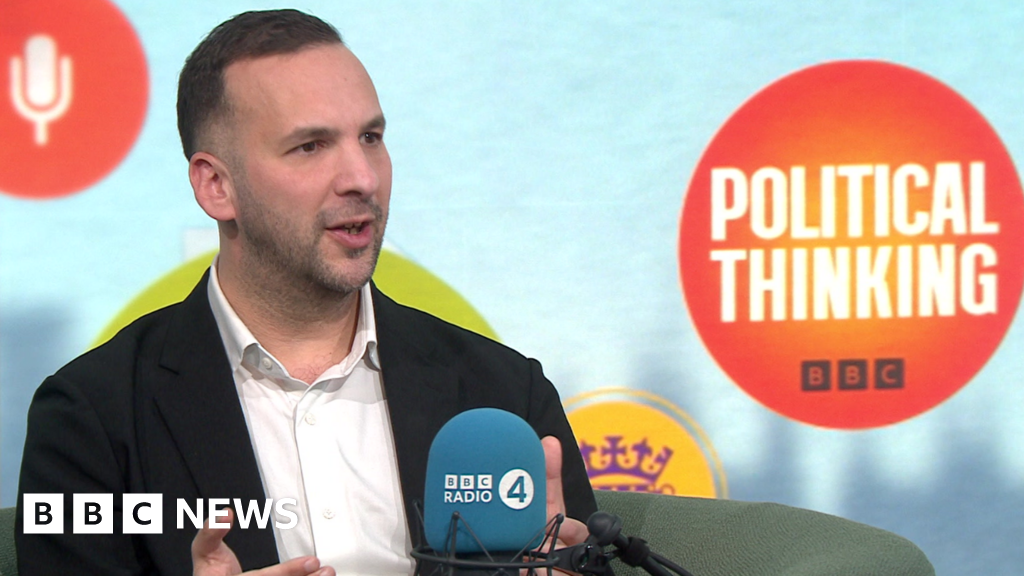

Green Party Leader Eyes Prime Ministerial Role, Calls for Ambitious Goals
In a surprising and bold declaration, the leader of the Green Party has openly acknowledged that the prospect of becoming Prime Minister is “on his mind.” This statement marks a significant shift in tone for the party, which is increasingly positioning itself as a serious contender in the political arena. The leader also suggested that the Green Party’s previous target of securing 30-40 Members of Parliament (MPs) in the next election now feels “under ambitious,” signaling a more aggressive approach to expanding its influence.
The Green Party, traditionally seen as a smaller political force focused on environmental and social justice issues, has been gaining traction in recent years. Rising public concern over climate change, economic inequality, and governmental accountability has created fertile ground for the party’s platform. The leader’s remarks reflect a growing confidence within the party that it can capitalize on these issues and challenge the dominance of established political parties.
A Shift in Political Strategy
Historically, the Green Party has aimed to influence policy through collaboration and advocacy rather than direct governance. However, the leader’s recent comments indicate a strategic pivot toward aiming for executive power. “The idea of becoming Prime Minister is something I’ve thought about,” he said. “It’s not just about making noise; it’s about making change happen.”
This shift comes amid growing dissatisfaction with traditional parties in the United Kingdom. Both the Conservative and Labour parties have faced criticism for their handling of key issues, including the cost-of-living crisis, healthcare, and environmental policies. The Green Party’s leader believes that this disillusionment presents a unique opportunity for his party to step into a leadership role.
Ambitious Electoral Goals
The Green Party’s previous target of winning 30-40 seats in Parliament was already seen as a stretch, given its current representation of just one MP. However, the leader now argues that this goal is “under ambitious” and that the party should aim higher. “The challenges we face as a society require bold action, and that means we need bold ambitions,” he said.
This renewed focus on electoral success has been accompanied by efforts to broaden the party’s appeal. While environmental issues remain at the core of its platform, the Green Party has also emphasized policies on affordable housing, healthcare, and workers’ rights. The leader has been vocal about the need for a “just transition” to a green economy, ensuring that environmental policies do not disproportionately impact vulnerable communities.
Challenges Ahead
Despite its growing momentum, the Green Party faces significant hurdles in its quest for greater political influence. The UK’s first-past-the-post electoral system has long favored larger parties, making it difficult for smaller parties to gain substantial representation. Additionally, the party must convince voters that it has the credibility and experience to govern effectively.
The leader has acknowledged these challenges but remains optimistic. “We’re not naive about the obstacles in front of us,” he said. “But we believe that the public is ready for a new kind of leadership—one that puts people and the planet first.”
Why This Matters
The Green Party’s increasing ambition reflects broader shifts in the political landscape. As traditional parties struggle to address pressing global and domestic issues, smaller parties with focused agendas are gaining relevance. The Green Party’s push for greater representation could lead to more diverse voices in Parliament and greater emphasis on environmental and social justice issues.
Moreover, the leader’s openness about his Prime Ministerial aspirations underscores the party’s evolving identity. By positioning itself as a viable alternative to established parties, the Green Party is challenging the status quo and reshaping the political discourse.
Future Implications
If the Green Party succeeds in increasing its parliamentary presence, it could significantly impact UK politics. Policies on climate change, renewable energy, and social equity are likely to take center stage, forcing other parties to adopt more progressive stances. Additionally, a larger Green Party presence could lead to coalition governments or increased collaboration across party lines.
However, the party’s success will ultimately depend on its ability to mobilize voters and present a cohesive vision for the future. As the next election approaches, the Green Party’s leader has made it clear that his party is no longer content to play a peripheral role. “We’re not just here to participate,” he said. “We’re here to lead.”
In a time of profound uncertainty and transformation, the Green Party’s bold ambition could mark the beginning of a new chapter in UK politics—one where environmental and social justice issues take precedence, and smaller parties emerge as powerful agents of change.
