


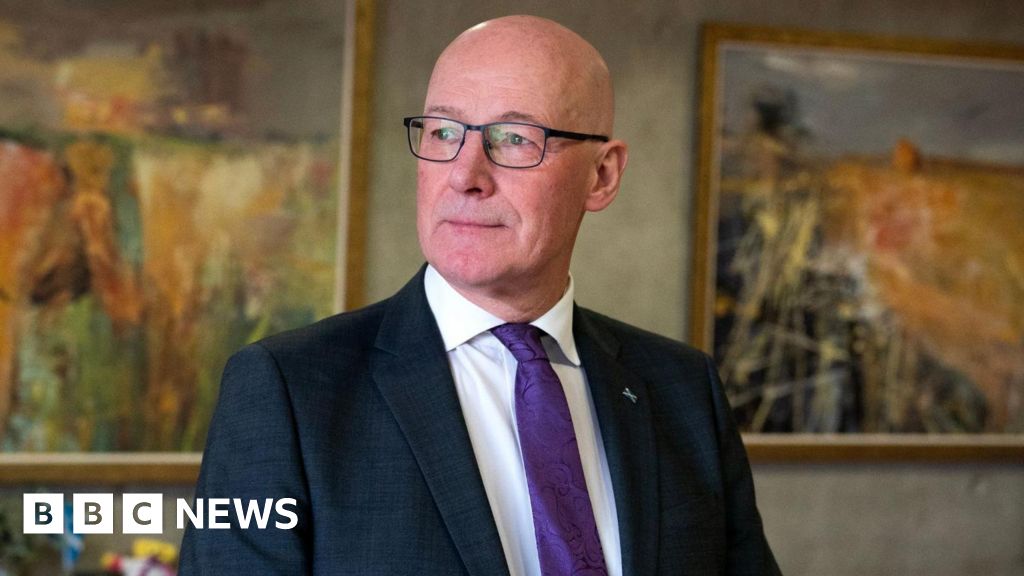

Scotland’s First Minister Criticizes Reform UK Supporters as “Intolerant”
Scotland’s First Minister has sharply criticized the ideological views of some supporters of Reform UK, labeling them as “intolerant.” The comments, made during a public address, have sparked a heated debate across political circles, raising questions about the role of tolerance and inclusivity in contemporary politics.
The First Minister’s remarks came during an interview where they discussed the current political climate in the United Kingdom. While acknowledging the complexities of diverse political ideologies, they singled out certain factions within Reform UK, a relatively new but increasingly influential political party, for promoting divisive and exclusionary views.
Reform UK, which emerged from the Brexit Party, has positioned itself as a champion of anti-establishment policies and national sovereignty. However, critics argue that some of its supporters and representatives have embraced rhetoric that alienates marginalized communities and undermines social cohesion.
The First Minister stressed that Scotland, as a nation committed to inclusivity, cannot afford to tolerate ideologies that foster division. “While healthy political debate is essential, there is a fine line between differing opinions and outright intolerance,” they stated. “Some of the views expressed by Reform UK’s supporters cross that line, and we must be vigilant in calling them out.”
The comments have drawn mixed reactions. Supporters of the First Minister applaud their willingness to confront what they see as harmful ideologies, arguing that such a stance is necessary to protect Scotland’s progressive values. Critics, however, accuse the First Minister of unfairly generalizing an entire political movement and stifling legitimate discourse.
Reform UK leadership swiftly responded to the remarks, dismissing them as politically motivated. A spokesperson for the party asserted that Reform UK advocates for policies that prioritize national autonomy and economic reform, not intolerance. They accused the First Minister of using inflammatory language to distract from their own political challenges.
The debate comes at a critical juncture for Scotland, which continues to navigate its relationship with the broader United Kingdom amidst ongoing discussions about independence. The Scottish National Party (SNP), led by the First Minister, has long championed Scottish sovereignty, while Reform UK has gained traction among voters disillusioned with traditional parties.
Political analysts suggest that the First Minister’s comments reflect broader concerns about the rise of populism and its impact on social harmony. “The First Minister’s remarks underscore the growing tension between progressive values and the appeal of populist narratives,” said one analyst. “This debate is not unique to Scotland but is playing out across Europe and beyond.”
The controversy also highlights the challenges of addressing intolerance in a polarized political landscape. While some argue that public figures have a responsibility to condemn harmful ideologies, others caution against alienating voters whose concerns may stem from economic or social grievances.
For Scotland, the issue is particularly significant as it seeks to position itself as a global leader in inclusivity and social justice. The First Minister’s administration has implemented policies aimed at fostering equality, such as initiatives to combat discrimination and promote diversity in public institutions.
However, critics argue that such efforts risk being undermined by divisive rhetoric, whether from within or outside the political establishment. “Addressing intolerance requires a nuanced approach,” said a social policy expert. “It’s not just about calling out harmful views but also understanding the underlying factors that drive them.”
The First Minister’s comments are likely to resonate beyond Scotland’s borders, as the debate over tolerance and inclusivity continues to dominate political discourse worldwide. In recent years, similar tensions have surfaced in countries across Europe, North America, and beyond, with political leaders grappling with how to respond to the rise of populist movements.
In the UK, Reform UK’s growing influence has prompted concerns among mainstream parties, particularly as traditional voting blocs shift and new alliances emerge. The party’s focus on issues such as immigration, national sovereignty, and economic reform has struck a chord with some voters, even as it faces criticism for its association with controversial figures and policies.
Looking ahead, the First Minister’s remarks could have significant implications for Scotland’s political landscape. By taking a firm stance against intolerance, they may bolster support among progressive voters while potentially alienating those who feel their concerns are being dismissed.
For Reform UK, the controversy represents both a challenge and an opportunity. The party must navigate accusations of intolerance while capitalizing on its appeal to voters disillusioned with the status quo.
As the debate unfolds, it underscores the broader struggle to define the values that will shape Scotland’s future. In a rapidly changing political environment, the First Minister’s comments serve as a reminder of the high stakes involved in balancing ideological diversity with the need for social cohesion.
The weeks and months ahead will likely see intensified scrutiny of both the SNP and Reform UK, as Scotland continues to grapple with questions of identity, sovereignty, and inclusivity. How these issues are addressed will not only shape the nation’s political trajectory but also its place in the global conversation about democracy and tolerance.
