


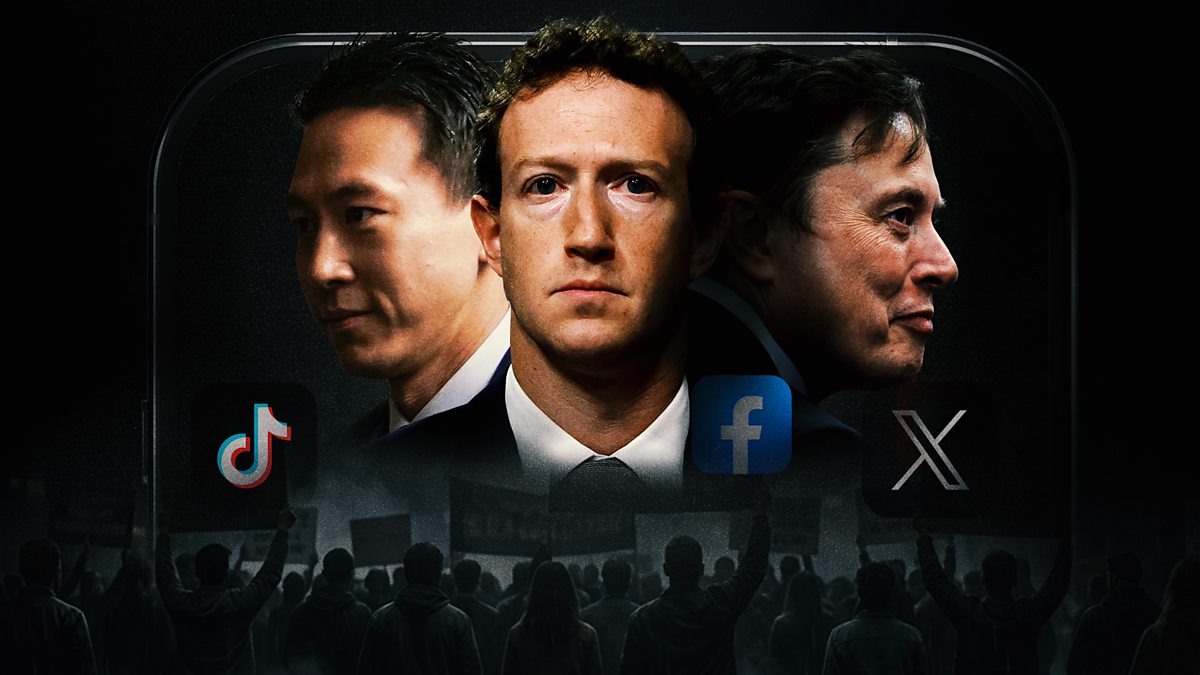

How Social Media Algorithms Fuel Division—And Real-World Harm
Behind the curated feeds and viral trends, social media platforms are quietly reshaping societies—not just by connecting people, but by amplifying division. The algorithms designed to maximize engagement routinely prioritize outrage, misinformation, and polarizing content, often with dangerous consequences. From elections to public health crises, the fallout is undeniable.
The Mechanics of Division
Social media platforms rely on engagement-driven algorithms that reward sensationalism. Content that sparks anger or fear spreads faster and wider than nuanced discourse. Studies show that divisive posts generate significantly more clicks, comments, and shares, creating a perverse incentive for both platforms and creators.
This dynamic has played out repeatedly. During elections, hyper-partisan misinformation floods feeds, deepening societal rifts. In public health emergencies, conspiracy theories thrive, eroding trust in institutions. Even in stable democracies, algorithmic amplification has been linked to increased political polarization and even violence.
Case Studies in Escalation
One stark example is the global spread of misinformation during the COVID-19 pandemic. False claims about vaccines, treatments, and government mandates gained traction far quicker than factual updates from health agencies like the WHO. In some countries, this directly contributed to vaccine hesitancy and preventable deaths.
Political crises have also been exacerbated. In Myanmar, Facebook’s algorithm was found to have amplified anti-Rohingya hate speech, fueling ethnic violence. In Brazil, viral election fraud narratives—despite lacking evidence—led to widespread protests and attacks on government buildings.
Who Bears Responsibility?
Critics argue that tech companies have long ignored warnings about their platforms’ societal impact. While Meta, TikTok, and X (formerly Twitter) have introduced minor reforms—such as labeling misinformation or downranking harmful content—these measures often lag behind the damage.
Governments are stepping in, but progress is uneven. The European Union’s Digital Services Act now requires transparency in algorithmic processes, while the U.S. remains gridlocked over regulation. Meanwhile, smaller nations with limited resources struggle to hold global platforms accountable.
The Human Cost
The consequences aren’t abstract. Families have been torn apart by conspiracy theories. Activists face harassment from algorithmically amplified mobs. In extreme cases, as seen in Ethiopia and India, viral incitement has led to deadly ethnic clashes.
Experts warn that without systemic changes, the cycle will worsen. “These platforms aren’t neutral,” says one researcher. “They’re built to profit from attention, and too often, that means exploiting our worst impulses.”
What Comes Next?
The path forward remains contentious. Some advocate for stricter regulation, including algorithmic audits and liability for harmful content. Others call for a redesign of social media’s core business model, shifting away from engagement-at-all-costs.
For now, the tension between free expression and public safety persists. But as real-world harm mounts, the pressure for change is growing—one viral outrage at a time.
